-
 Inside the Venezuelan prison meant to 'drive you insane'
-
Trump to tout deals, defend Iran war in UN speech

-
 UK king braces as memoir by Diana's brother goes on sale
-
Sri Lanka to issue verdict in landmark Easter attack trial

-
 No green light to lift EU sanctions on Russian oligarchs, talks to resume
-
Macron says talks with Trump on Red Sea, Ukraine 'constructive'

-
 UK agrees support for Saudi in struggle with Houthis: reports
-
Green policies just good politics, says UK minister

-
 EU foreign policy chief calls for continued sanctions on Russia
-
Bardot auction in Paris fetches nearly one million euros

-
 Flights scrapped, evacuations urged as Typhoon Dujuan wallops Japan
-
No timeline on Daniels injury return, says Commanders coach

-
 Fonseca to take break from tennis
-
British Columbia sues OpenAI in US court over Canada school shooting

-
 A Cuban zoo, and its animals, in epic battle for survival
-
French star Batum retires after 18-year NBA career

-
 Infantino proposes consulting federations to reform FIFA
-
Zidane leads first France training session

-
 El Nino weather pattern enters record territory: scientist
-
Man shot by ICE agent in Texas detained with bullet inside him: lawyer

-
 OpenAI calls for US to lead global effort on AI standards
-
California declares state of emergency ahead of El Nino

-
 South African ostriches plucked alive for luxury fashion: report
-
South Africa arrests three more suspects, after nine women murdered

-
 US networks halt Trump coverage in revolt over White House ban
-
Carse needs time away from England, says captain Brook

-
 Paramount settles with US states to clear Warner Bros. mega-merger
-
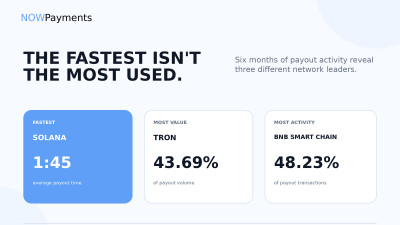
NOWPayments Releases Cross-Chain Payout Data Revealing Key Performance Benchmarks Across TRON, BNB Chain, and Solana
-
 Climate crisis a job for world leaders, not just activists: UK FM
-
British Museum bans photos of Bayeux Tapestry as crowds linger

-
 US networks halt Trump coverage over White House ban
-
COP31 host says AI climate footprint to be a summit priority
-
 French singer accuses Miley Cyrus of plagiarism
-
Berlin's far-left vote winners reject anti-semitism charges
-
 EU fines Google 403 mn euros for location data breach
-
Mancini eager for 'new adventure' on Italy return

-
 'Best is yet to come,' says De la Fuente after Spain extension
-
Mbappe says having Zidane as France coach 'like a film'

-
 Why diesel prices are rising more than crude oil
-
Palmer, Rice out of England Nations League squad

-
 COP31 host says AI's climate footprint to be a summit priority
-
German auto workers stage mass protests in bid to save jobs

-
 Renewables hit record in 2025, but world must move faster: report
-
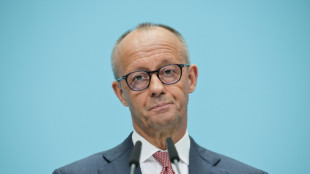
Embattled Merz vows to keep ruling for 'democratic future' of Germany
-
 US media outlets to sue Trump administration after White House ban
-
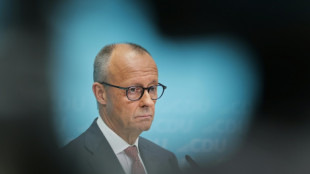
Merz vows to keep ruling coalition together for 'democratic future' of Germany
-
 Global stocks rally on lower oil prices, US-China hopes
-
Spain coach De la Fuente gets new deal after World Cup success

-
 EU proposes energy rating for data centres
-
Pressure grows on Germany's Merz after election defeats

Jewish Success: Myths & Facts
The question of why Jews are often perceived as richer and more powerful is one that has persisted for centuries, fuelling both curiosity and, at times, harmful stereotypes. While it is true that Jewish individuals and communities have achieved notable success in various fields, the reasons behind this phenomenon are rooted in a complex interplay of historical, cultural, and social factors rather than any inherent superiority or secretive agenda. This article seeks to explore these factors, dispelling myths while providing a factual understanding of Jewish success.
Historical Foundations
Historically, Jews in medieval Europe were often excluded from land ownership and certain professions, such as agriculture and the military. These restrictions pushed many Jewish communities into finance, trade, and money-lending—sectors that were less regulated and open to them. Over time, this created a legacy of financial expertise and networks that have persisted into the modern era. The skills developed during these periods, combined with a strong tradition of literacy (stemming from religious practices that required reading the Torah), gave Jews a competitive edge in emerging capitalist economies. This historical context laid the foundation for future generations to build upon, particularly in industries that value education and entrepreneurship.
The Role of Education
Education is another critical factor. Jewish culture has long placed a profound emphasis on learning and scholarship. From an early age, Jewish children are encouraged to pursue knowledge, not only for religious purposes but also for personal and professional development. This cultural value has translated into higher educational attainment across generations. Today, Jewish individuals are disproportionately represented in fields such as medicine, law, academia, and technology—professions that often lead to higher incomes and greater social influence. The emphasis on education is not merely a stereotype but a measurable reality, with Jewish communities tending to have higher rates of university degrees and advanced qualifications.
Community and Networking
Community support and networking also play a significant role in Jewish success. Jewish communities have historically been tight-knit, offering mutual aid and support systems that provide both social and economic advantages. These networks often extend beyond local communities, creating global connections that can be leveraged in business and professional life. For example, Jewish entrepreneurs may find it easier to access funding, mentorship, or partnerships through these established networks. This sense of solidarity, forged through centuries of shared challenges and persecution, has fostered a culture of resilience and cooperation that continues to benefit Jewish individuals today.
Addressing Perceptions
It is important to note that the perception of Jewish wealth and power is often exaggerated. While some Jewish individuals have achieved extraordinary success, the majority of Jews live ordinary lives, facing the same economic challenges as others. Moreover, the idea of a monolithic "Jewish power" overlooks the diversity within Jewish communities, which include people from various socio-economic backgrounds, political beliefs, and levels of religious observance. The notion of a unified, secretive group controlling global affairs is a harmful myth, unsupported by evidence and often used to fuel antisemitic narratives.
Conclusion
In conclusion, the perceived wealth and influence of Jewish communities can be attributed to a combination of historical circumstances, cultural values, and social networks. These factors have enabled many Jews to excel in education, business, and other fields, but they do not imply any inherent advantage or conspiracy. Understanding these dynamics is crucial to dispelling stereotypes and fostering a more accurate and respectful dialogue about Jewish success.

Five elections in 2024 that will shape Europe!

Norway: Russians sceptical about Russia's terror against Ukraine

Nepal: Crowd demands reinstatement of the monarchy

Europe: Is Bulgaria "hostage" to a Schengen debate?

EU: Netherlands causes headaches in Brussels

Israel in the fight against the terror scum of Hamas

Italy: Storm Ciarán brings disastrous record rainfall

What remains of the EU leader's visit to Kiev?
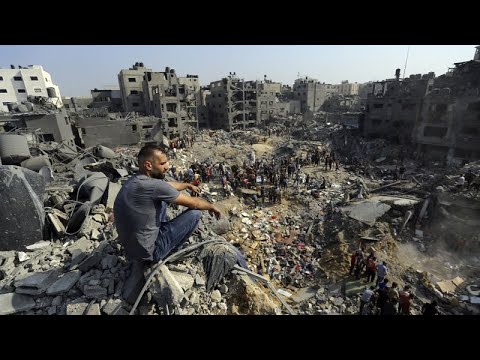
Gaza: Hamas terrorists responsible for expulsion

Vice-Chancellor Habeck: Empty words without action?

Israel: More bodies, weeks after Hamas terror attack