-
 How to Watch the Rugby League World Cup Final on 7plus for Free
-
Women's Asian Champions Trophy 2026 in Bhopal Revives Hockey Legacy

-
 Kayla Harrison Defeats Amanda Nunes via Submission at UFC 334
-
California GOP Faces Near-Extinction After 2026 Midterms; Calls for New Vision

-
 GTA 6 Advertising Strategy and Disc Version Controversy
-
St Francis School Leads €60,000 EU Project to Transform Early Childhood Education

-
 From First Date to Wedding Day: How a TV Quote Sparked a Lifetime Commitment
-
South Africa's Universal Health Coverage Depends on Tackling Poverty and Inequality

-
 Malta Stuns Sweden with Late Penalty Comeback in Rugby Europe Trophy
-
Rare Siberian Rubythroat Dies in UK Garden After Cat Attack

-
 BingX: Major Announcement of Far-Reaching Significance
-
Go Kyung-pyo Drunk Driving Incident Prompts Heavy Editing Across Multiple TV Shows

-
 Élan Opens as Late-Night Wine Bar in Honolulu
-
KFF Health News Reporters Discuss ACA Enrollment Challenges, Rising Costs, and Measles Risks

Trump's Tariffs Batter Mexico
The Mexican economy is teetering on the brink of recession, largely due to the sweeping tariffs imposed by President Donald Trump. These tariffs, part of a broader "America First" trade policy, have disrupted global trade and hit Mexico particularly hard. With a 25% levy on Mexican imports, the tariffs have led to increased costs for businesses, reduced exports, and a sharp decline in foreign investment. Mexico's economy, already struggling with slow growth, now faces a potential recession, with GDP contracting by 0.6% in the fourth quarter of 2024. Analysts warn that if the tariffs persist, Mexico could enter a prolonged downturn, deepening the country's economic woes.
Economic Fallout from Tariffs
Trump's tariffs have triggered a domino effect across Mexico's economy. The levies have driven up the cost of imported goods, raising production costs for Mexican businesses. This has led to higher prices for consumers, reducing domestic demand and slowing economic activity. Mexico's export sector, heavily reliant on the U.S. market, has been severely impacted. With 83% of Mexican exports destined for the U.S., the tariffs have caused a significant drop in trade, resulting in job losses and reduced revenue for companies. The uncertainty surrounding the tariffs has also deterred foreign investment, further weakening the economy.
Compounding Existing Challenges
Mexico's economic struggles predate the tariffs, with near-zero growth and a historic budget deficit already in play. The tariffs have intensified these issues, pushing the country closer to recession. Efforts by Mexican President Claudia Sheinbaum to mitigate the damage through negotiations and domestic investment boosts have so far fallen short. Analysts predict that the economy could contract further in the coming quarters, with the tariffs acting as a tipping point for an already fragile system.
Industry-Specific Impacts
The automotive sector, a cornerstone of Mexico's economy, has been hit especially hard. The 25% tariff on cars and auto parts has led to a sharp decline in production and exports, forcing manufacturers to seek alternative suppliers and markets. Agriculture, after a brief surge from stockpiling ahead of the tariffs, has slumped as the levies' full impact took hold. Construction and housing markets have also slowed, with rising costs and reduced demand stalling projects and sales.
Public Sentiment and Diplomatic Strain
Public confidence in Mexico has plummeted, with over half of the population expecting the economy to worsen in the next six months. Weekly diplomatic trips to Washington have yielded little progress, as Trump remains steadfast in his stance, arguing the tariffs protect American jobs and reduce the trade deficit. This has strained U.S.-Mexico relations, adding a political dimension to the economic crisis.
Broader Implications
The tariffs' effects extend beyond Mexico, raising concerns about a potential U.S. recession. Increased costs for American businesses and consumers, coupled with disrupted global supply chains, have heightened economic uncertainty. Business confidence has waned, with companies delaying investment and hiring. Some analysts predict a "Voluntary Trade Reset Recession" if the tariffs persist, underscoring their far-reaching consequences.
Conclusion
Trump's tariffs have plunged the Mexican economy into crisis, pushing it to the edge of recession. By disrupting trade, inflating costs, and deterring investment, the levies have exacerbated Mexico's existing challenges. As the situation unfolds, the global economy watches closely, awaiting signs of resolution or further escalation.

Nicaragua on the brink?
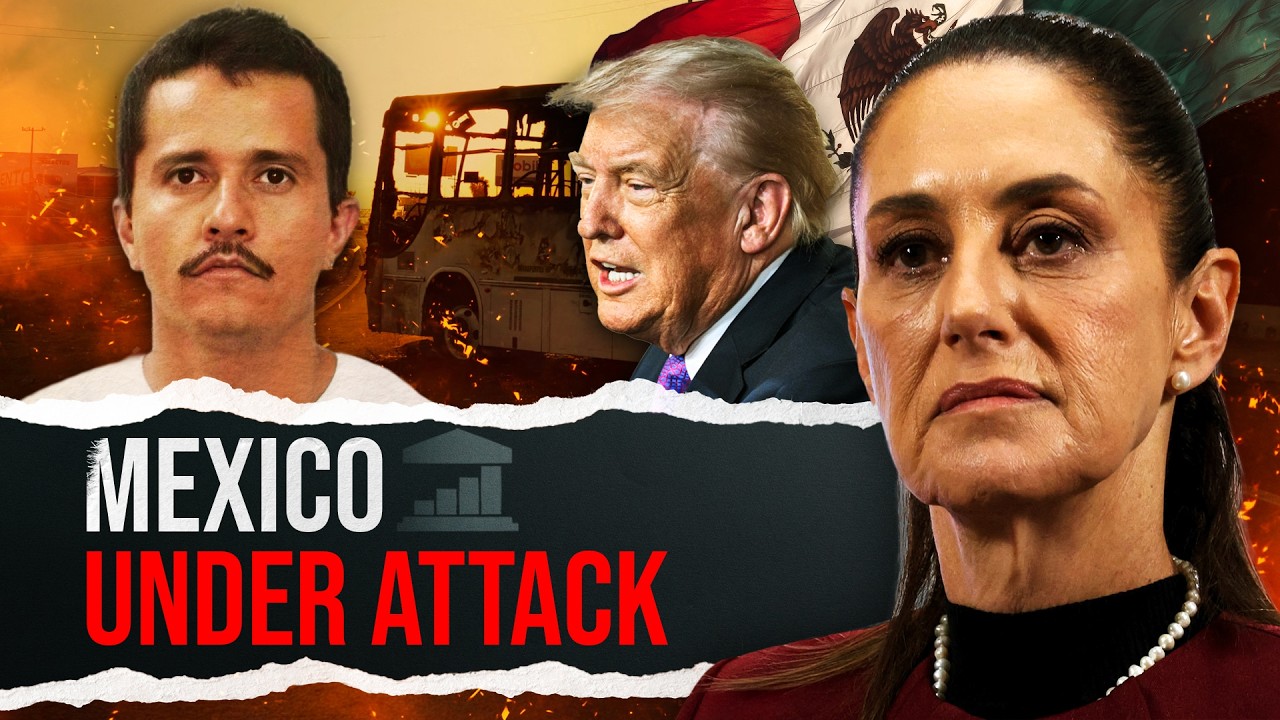
Mexico after El Mencho falls
Cuba's golden Goose dies
Iran's revenge rewired
Brazil's trade-war boom
Hormuz Shock Risk rising

Iran lifts Dollar, sinks Euro
Israel presses Tehran

Is that Israel's final blow?

Iran and the holy War risk
Cuban regime nears collapse