-
 Labubu maker Pop Mart's shares fall 23% despite surging earnings
-
ECB won't be 'paralysed' in face of energy shock: Lagarde

-
 Iran hits targets across Middle East after Trump signals talks progress
-
McEvoy says best is to come after breaking long-standing swim record

-
 Goat vs gecko: A tiny Caribbean island faces wildlife showdown
-
Japan PM asks IEA chief to prepare additional 'coordinated release' of oil
-
 Hungary's hard-pressed LGBTQ people say Orban exit is only half battle
-
Belarus leader visits North Korea for first time
-
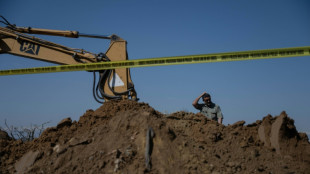 'No heavier burden': the decades-long search for Kosovo war missing
-
Exotic pet trade thrives in China despite welfare concerns
-
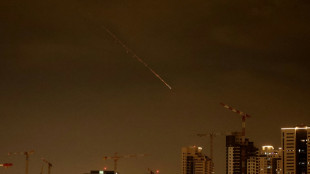 Iran fires missile salvo after Trump signals progress in talks
-
BTS concert drew 18.4 million viewers, says Netflix

-
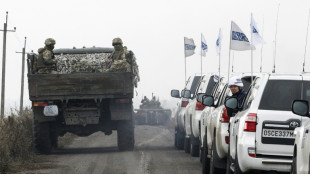 OSCE's 'chaotic' Ukraine evacuation put staff at risk: leaked report
-
Top WTO official sounds fertiliser warning over Middle East war

-
 France and Brazil weigh up World Cup prospects in glamour friendly
-
Italy hoping to end World Cup pain as play-offs loom

-
 Dirty diapers born again in Japan recycling breakthrough
-
Verstappen's Japan GP win streak under threat as Mercedes dominate

-
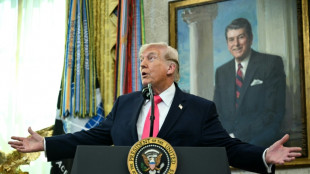 Crude tumbles, stocks rally on hopes for Iran war de-escalation
-
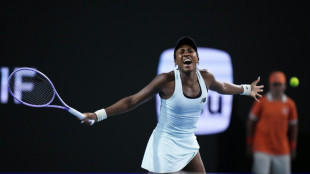
Gauff outlasts Bencic to reach Miami semi-finals
-
 'Hero' Australian dog who saved 100 koalas retires
-
Underdogs chase World Cup berths in Mexico playoff tournament

-
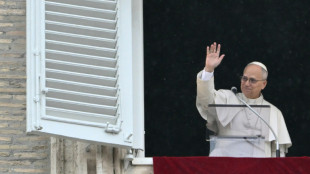 Pope heads to tiny Catholic Monaco
-
Meet the four astronauts set to voyage around the Moon

-
 Artemis 2 Moon mission: a primer
-
It's go time: historic Moon mission set for lift-off
-
 Denmark's PM Mette Frederiksen, tenacious and tough on migration
-
OpenAI kills Sora video app in pivot toward business tools

-
 Danish PM's left-wing bloc wins election, but no majority
-
Brazil court grants house arrest for jailed Bolsonaro

-
 Sinner downs Michelsen to reach Miami Open quarter-finals
-
Advantage Arsenal in women's Champions League quarter-final against Chelsea

-
 Garner dreams of World Cup glory in bid to replicate England under-21 success
-
New Mexico jury finds Meta liable for endangering children

-
 Huge crowd in Buenos Aires marks 50 years since Argentina's coup
-
Oil, stock trading spiked before Trump's Iran remarks
-
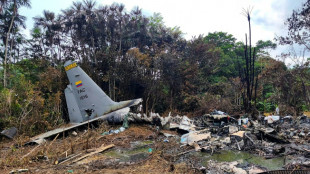 Colombia military plane crash death toll rises to 69
-
Trump adds Columbus statue, walkway in latest White House makeover

-
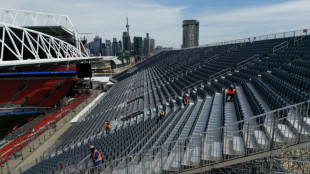 Toronto unveils upgraded World Cup venue after fan scorn
-
Beerensteyn goal gives Wolfsburg edge over Lyon in women's Champions League

-
 Gang crackdown carried out without 'abuses,' Guatemalan defense chief says
-
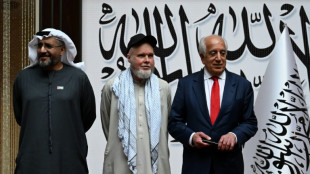
Afghanistan releases detained US citizen
-
 Danish PM's left bloc leads election, but no majority
-
'Illustrious' Salah to leave Liverpool at the end of the season

-
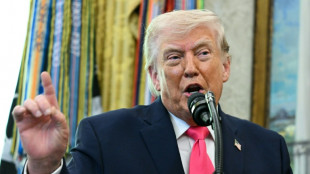 Trump says Iran gave US 'gift' linked to Strait of Hormuz
-
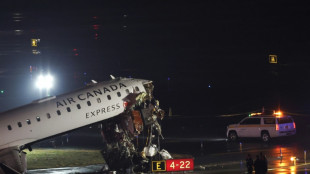
US officials downplay controller 'distraction' in New York crash
-
 Salah to leave Liverpool at the end of the season
-
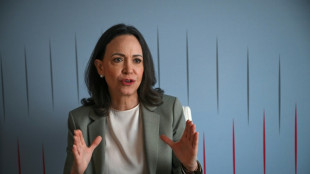
Trump has destroyed Venezuela's socialist ideology: opposition leader
-
 France urges Israel 'to refrain' from seizing south Lebanon zone
-
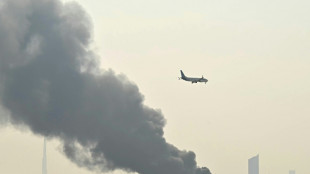
UN rights council to hold urgent debate on Iran's Gulf strikes
Israel's Covert Nuclear Rise
Israel’s emergence as a nuclear power is one of the most secretive and controversial developments in modern geopolitics. While the country has never officially confirmed or denied possessing nuclear weapons, it is widely believed to have developed a sophisticated nuclear arsenal. This article explores the key milestones and strategies that enabled Israel to become a nuclear power while maintaining a policy of deliberate ambiguity.
The Early Beginnings
The origins of Israel’s nuclear program trace back to the 1950s, shortly after the nation’s establishment in 1948. In 1952, the Israel Atomic Energy Commission was created, led by Ernst David Bergmann, a scientist who saw nuclear weapons as essential for Israel’s survival amid regional threats. The young nation, surrounded by hostile neighbors, sought a deterrent that could ensure its security.
A critical step occurred in the late 1950s when Israel began constructing the Dimona nuclear facility in the Negev desert. With significant assistance from France, which provided technology and expertise, the facility was built under a veil of secrecy. Officially labeled a "textile factory," Dimona became the heart of Israel’s nuclear ambitions. By the mid-1960s, it is believed that Israel had produced its first nuclear weapon, though no official records confirm this timeline.
The Policy of Nuclear Ambiguity
Central to Israel’s strategy is its policy of "nuclear ambiguity." This approach avoids explicit confirmation or denial of nuclear weapons possession, allowing Israel to maintain deterrence without triggering an arms race or international backlash. Israeli leaders have adhered to this stance for decades, rarely commenting on their capabilities. However, in 2006, then-Prime Minister Ehud Olmert briefly listed Israel among nuclear-armed states in an interview, a rare slip that was swiftly minimized.
The Whistleblower’s Revelation
The secrecy surrounding Dimona was shattered in 1986 when Mordechai Vanunu, a former technician at the facility, leaked photographs and details to the public. His revelations suggested that Israel possessed between 100 and 200 nuclear warheads, confirming suspicions about its capabilities. Vanunu’s actions led to his abduction by Israeli intelligence and an 18-year prison sentence, underscoring the lengths Israel would go to protect its nuclear program.
Advanced Delivery Systems
Israel’s nuclear arsenal is thought to be supported by a range of delivery systems. The Jericho series of ballistic missiles, initially developed with French assistance, can reportedly carry nuclear warheads over thousands of kilometers. Additionally, Israel’s fleet of Dolphin-class submarines, acquired from Germany, is rumored to be equipped with nuclear-tipped cruise missiles, offering a second-strike capability that enhances its deterrence.
International Stance and Regional Tensions
Israel has never joined the Nuclear Non-Proliferation Treaty (NPT), a decision that has drawn criticism, especially from regional rivals like Iran. Israeli officials maintain that they will not be the first to introduce nuclear weapons into the Middle East, a statement crafted to preserve ambiguity. In recent years, tensions with Iran over its nuclear program have spotlighted Israel’s own capabilities, with Israeli leaders advocating strong measures to prevent Tehran from achieving similar status.
A Lasting Legacy
Israel’s journey to nuclear power relied on strategic partnerships, covert operations, and a steadfast commitment to secrecy. While the full scope of its arsenal remains undisclosed, its status as a nuclear power is rarely questioned today. This reality continues to influence Middle Eastern geopolitics, shaping both regional dynamics and global efforts to curb nuclear proliferation.

United Kingdom vs Immigration

Trump's threats to Colombia

COSTCO profits from Fees
AI bust: Layoffs & Rent surge
Trap laid, Ukraine walked in
BRICS-Dollar challenge
Saudi shift shakes Israel
Al-Qaida’s growing ambitions

Argentina's radical Shift

Hidden Cartel crisis in USA
New York’s lost Luster