-
 Aviation, tourism, agriculture... the economic sectors hit by the war
-
Iran fires at US carrier as backchannel diplomacy aims to end war
-
 Salah's long goodbye brings curtain down on golden era for Liverpool
-
Monaco: city of vice and a few virtues

-
 AI making cyber attacks costlier and more effective: Munich Re
-
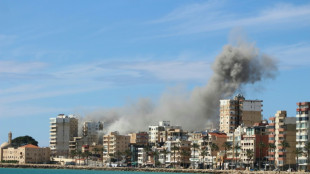
Defying Israeli bombs, Lebanese hold out in southern city of Tyre
-
 War-linked power crunch pushes Sri Lanka to four-day week
-
Hungary says will phase out gas deliveries to Ukraine
-
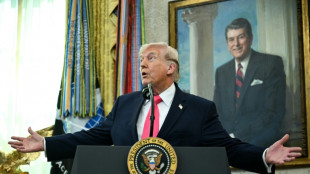 Oil prices tumble, stocks rally on Mideast peace hopes
-
Maybach: Between Glory and a Turning Point

-
 German business morale falls as war puts recovery on ice: survey
-
Labubu maker Pop Mart's shares fall 23% despite surging earnings

-
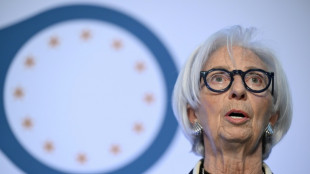 ECB won't be 'paralysed' in face of energy shock: Lagarde
-
Iran hits targets across Middle East after Trump signals talks progress

-
 McEvoy says best is to come after breaking long-standing swim record
-
Goat vs gecko: A tiny Caribbean island faces wildlife showdown

-
 Japan PM asks IEA chief to prepare additional 'coordinated release' of oil
-
Hungary's hard-pressed LGBTQ people say Orban exit is only half battle

-
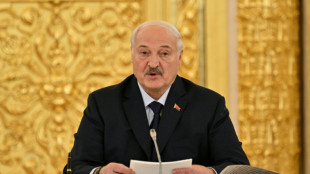 Belarus leader visits North Korea for first time
-
'No heavier burden': the decades-long search for Kosovo war missing

-
 Exotic pet trade thrives in China despite welfare concerns
-
Iran fires missile salvo after Trump signals progress in talks

-
 BTS concert drew 18.4 million viewers, says Netflix
-
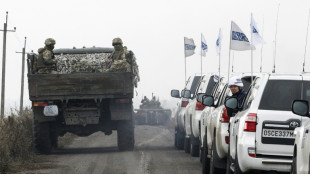
OSCE's 'chaotic' Ukraine evacuation put staff at risk: leaked report
-
 Top WTO official sounds fertiliser warning over Middle East war
-
France and Brazil weigh up World Cup prospects in glamour friendly

-
 Italy hoping to end World Cup pain as play-offs loom
-
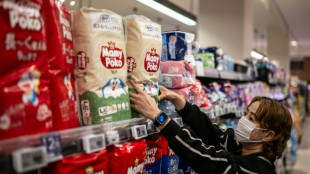
Dirty diapers born again in Japan recycling breakthrough
-
 Verstappen's Japan GP win streak under threat as Mercedes dominate
-
Crude tumbles, stocks rally on hopes for Iran war de-escalation
-
 Gauff outlasts Bencic to reach Miami semi-finals
-
'Hero' Australian dog who saved 100 koalas retires

-
 Underdogs chase World Cup berths in Mexico playoff tournament
-
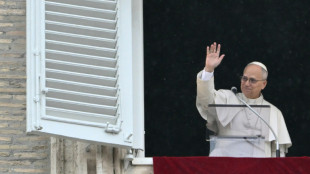
Pope heads to tiny Catholic Monaco
-
 Meet the four astronauts set to voyage around the Moon
-
Artemis 2 Moon mission: a primer

-
 It's go time: historic Moon mission set for lift-off
-
Denmark's PM Mette Frederiksen, tenacious and tough on migration

-
 OpenAI kills Sora video app in pivot toward business tools
-
Danish PM's left-wing bloc wins election, but no majority

-
 Lithium Measurement MR-Technology Provider NanoNord Expands Business with DLE Leader ElectraLith, Following Danish State Visit to Australia
-
Lobe Sciences Ltd. Reports Improved Financial Position and Strategic Update

-
 Rancho BioSciences Appoints Chris O'Brien as CEO to Deliver AI-Ready Data Solutions for Faster, More Reliable R&D
-
Datavault AI Partners with Rising British Heavyweight Moses Itauma

-
 Brazil court grants house arrest for jailed Bolsonaro
-
Sinner downs Michelsen to reach Miami Open quarter-finals

-
 Advantage Arsenal in women's Champions League quarter-final against Chelsea
-
Garner dreams of World Cup glory in bid to replicate England under-21 success

-
 New Mexico jury finds Meta liable for endangering children
-
Huge crowd in Buenos Aires marks 50 years since Argentina's coup

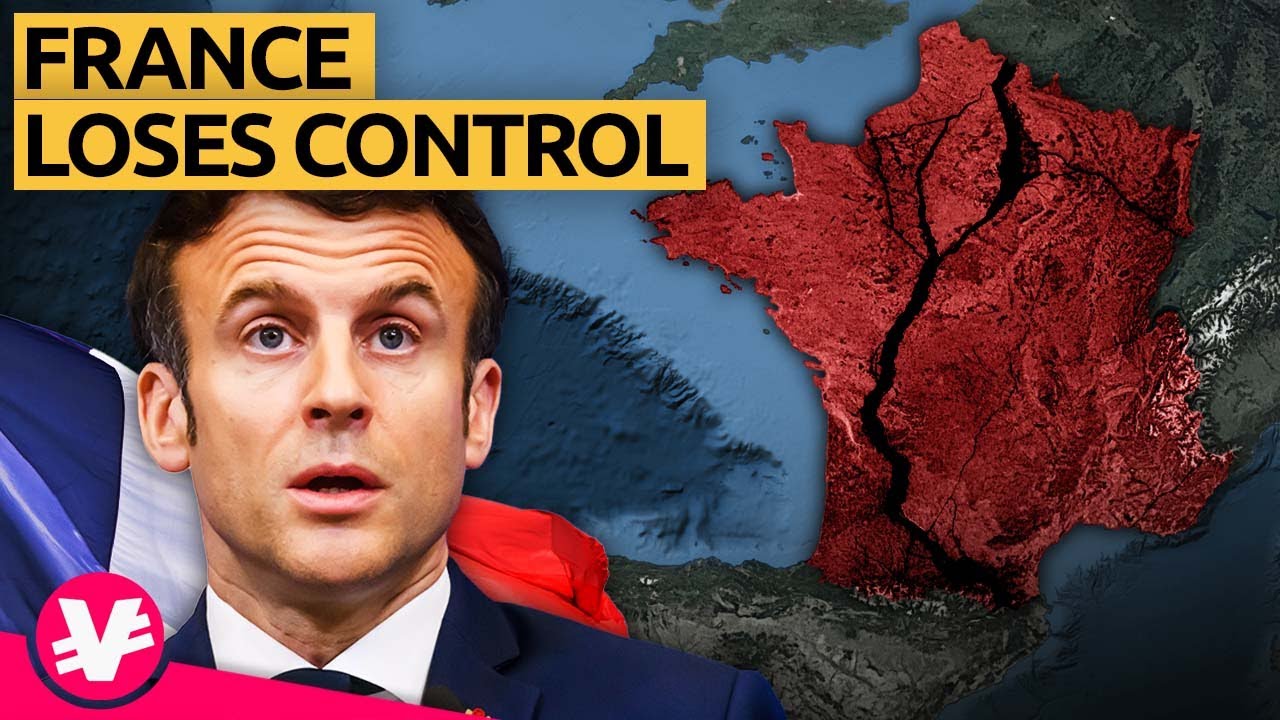
France's debt is growing
France is facing an unprecedented financial challenge. With public debt exceeding €3.2 trillion, representing more than 110% of gross domestic product (GDP), the eurozone's second-largest economy is on a dangerous path. The budget deficit is around 5.5% of GDP and is expected to rise to over 6% this year. These figures significantly exceed EU targets, which allow a maximum deficit of 3% and a debt ratio of 60% of GDP. The financial markets are becoming increasingly nervous, and interest rates on French government bonds are climbing to record levels. What has led to this debt chaos, and how can France avoid the looming abyss?
The roots of the crisis run deep. For decades, France has had a relaxed attitude towards debt, which differs from the strict budgetary discipline of other countries such as Germany. During the coronavirus pandemic and the energy crisis resulting from the war in Ukraine, the government pumped billions into the economy to support households and businesses. Subsidies for electricity prices and generous social benefits kept the economy stable but led to a sharp rise in debt. Since 2017, when President Emmanuel Macron took office, public debt has grown by almost one trillion euros. Critics accuse the government of delaying necessary structural reforms, while the government's spending ratio is just under 60% of GDP – one of the highest in the world.
The political situation is exacerbating the crisis. Following early parliamentary elections in the summer of 2024, parliament is fragmented and majorities are difficult to form. Prime Minister François Bayrou, who has been in office since autumn 2024, has presented an ambitious austerity programme to reduce the deficit to below 3% by 2029. The measures include the abolition of two public holidays, a freeze on pensions and social benefits, the elimination of 3,000 civil service jobs and higher taxes on high incomes. However, these plans are meeting with fierce resistance. The right-wing nationalist party Rassemblement National and left-wing parties are threatening votes of no confidence, which could bring down Bayrou's government. His predecessor, Michel Barnier, was forced to resign after only three months in office when his draft budget failed.
The financial markets are watching the situation with suspicion. Interest rates on French government bonds are now exceeding those of Greece in some cases, which is an alarming sign. France spends around 50 billion euros a year on debt servicing alone, and the trend is rising. Experts warn that this figure could climb to between 80 and 90 billion euros by 2027, making investment in education, infrastructure and climate protection virtually impossible. Rating agencies such as S&P and Moody's still rate France's creditworthiness as solid, but have threatened downgrades if the deficits are not reduced.
The crisis also has European dimensions. France is systemically important for the eurozone, and an uncontrolled rise in debt could jeopardise the stability of the single currency. Unlike the Greek debt crisis in 2008, when rescue funds were used, a bailout package for France would be almost impossible to finance. The EU has launched disciplinary proceedings against France to exert pressure for budget consolidation, but political instability is hampering reforms.
What can France do? Bayrou's austerity plans are a first step, but their implementation is uncertain. Tax increases are politically sensitive, as France already has one of the highest tax rates in Europe. Spending cuts could slow economic growth, which is just over 1% this year. At the same time, experts are calling for structural reforms to increase productivity and reduce dependence on the public sector. Without clear political majorities, there is a risk that France will slide further into debt.
Citizens are already feeling the effects of the crisis. Strikes and protests against austerity measures are on the rise, and social tensions are running high. Many French people feel caught between high living costs and impending cuts. The government faces the challenge of regaining credibility without losing the trust of the markets or the population.
A way out of the debt chaos requires courage and a willingness to compromise. Bayrou has described the situation as ‘the last stop before the abyss.’ Whether France can overcome this crisis depends on whether politicians and society are prepared to make tough decisions. Time is pressing, because the financial markets will not tolerate any further delays. France is at a crossroads – between reform and risk.
Australian economy Crisis

Israel’s Haredi Challenge

Miracle in Germany: VW soars
Pension crisis engulfs France
A new vision for Japan

The Fall of South Korea?

Gaza on the cusp of civil war
Israel: Economy on the edge
Why Russia can’t end war
Rare Earth Standoff
Tanks in Gaza - Hopes dim?