-
 Iran fires missile salvo after Trump signals progress in talks
-
BTS concert drew 18.4 million viewers, says Netflix

-
 OSCE's 'chaotic' Ukraine evacuation put staff at risk: leaked report
-
Top WTO official sounds fertiliser warning over Middle East war

-
 France and Brazil weigh up World Cup prospects in glamour friendly
-
Italy hoping to end World Cup pain as play-offs loom

-
 Dirty diapers born again in Japan recycling breakthrough
-
Verstappen's Japan GP win streak under threat as Mercedes dominate

-
 Crude tumbles, stocks rally on hopes for Iran war de-escalation
-
Gauff outlasts Bencic to reach Miami semi-finals
-
 'Hero' Australian dog who saved 100 koalas retires
-
Underdogs chase World Cup berths in Mexico playoff tournament
-
 Pope heads to tiny Catholic Monaco
-
Meet the four astronauts set to voyage around the Moon

-
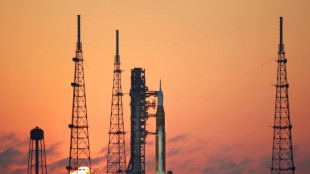 Artemis 2 Moon mission: a primer
-
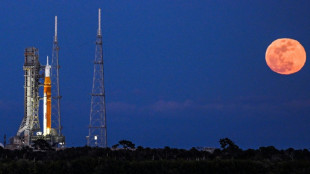
It's go time: historic Moon mission set for lift-off
-
 Denmark's PM Mette Frederiksen, tenacious and tough on migration
-
OpenAI kills Sora video app in pivot toward business tools

-
 Danish PM's left-wing bloc wins election, but no majority
-
Brazil court grants house arrest for jailed Bolsonaro

-
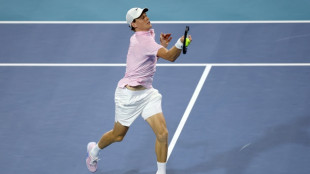 Sinner downs Michelsen to reach Miami Open quarter-finals
-
Advantage Arsenal in women's Champions League quarter-final against Chelsea

-
 Garner dreams of World Cup glory in bid to replicate England under-21 success
-
New Mexico jury finds Meta liable for endangering children

-
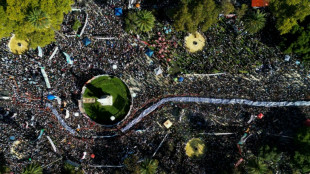 Huge crowd in Buenos Aires marks 50 years since Argentina's coup
-
Oil, stock trading spiked before Trump's Iran remarks
-
 Colombia military plane crash death toll rises to 69
-
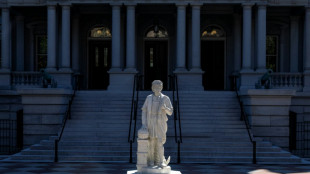
Trump adds Columbus statue, walkway in latest White House makeover
-
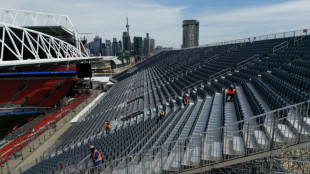 Toronto unveils upgraded World Cup venue after fan scorn
-
Beerensteyn goal gives Wolfsburg edge over Lyon in women's Champions League

-
 Gang crackdown carried out without 'abuses,' Guatemalan defense chief says
-
Afghanistan releases detained US citizen
-
 Danish PM's left bloc leads election, but no majority
-
'Illustrious' Salah to leave Liverpool at the end of the season
-
 Trump says Iran gave US 'gift' linked to Strait of Hormuz
-
US officials downplay controller 'distraction' in New York crash
-
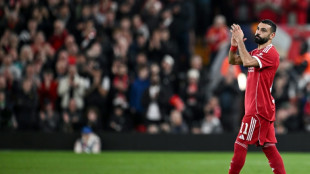 Salah to leave Liverpool at the end of the season
-
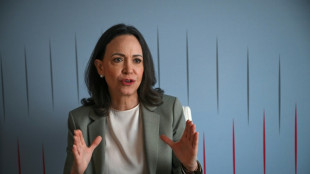
Trump has destroyed Venezuela's socialist ideology: opposition leader
-
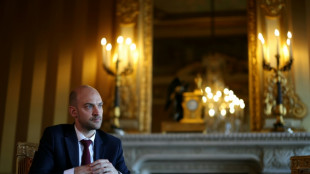 France urges Israel 'to refrain' from seizing south Lebanon zone
-
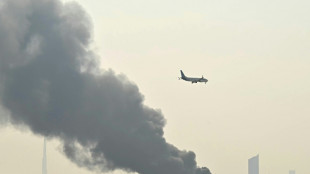
UN rights council to hold urgent debate on Iran's Gulf strikes
-
 Russia rains drones on Ukraine, killing eight, hitting UNESCO site
-
Lukaku to miss Belgium World Cup warm-up trip to US

-
 Data canary shows economy already suffering from Middle East war
-
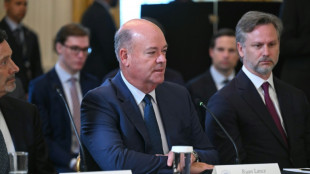
ConocoPhillips chief seeks extra US protection of Mideast assets
-
 Oil prices jump as Trump's Iran claims raise doubts
-
In world first, antimatter taken on test drive at CERN

-
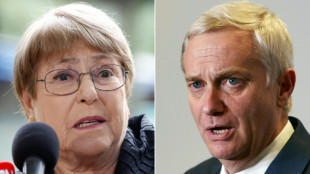 New Chile president withdraws support for Bachelet UN chief bid
-
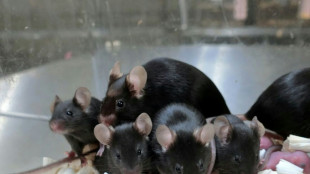
Mammals cannot be cloned infinitely, mice study discovers
-
 600-year-old pinot noir grape found in medieval French toilet
-
NASA to build $20 bn moon base, pause orbital lunar station plans
Trump vs. EU: A good deal?
At the end of July 2025, US President Donald Trump and EU Commission President Ursula von der Leyen presented a transatlantic trade agreement at the Turnberry golf resort in Scotland, signalling a surprise agreement after months of escalating threats of punitive tariffs. At its heart is a 15% cap on almost all EU goods exported to the United States, while Brussels will in return scrap all tariffs on US industrial goods – a paradigm shift from the previous ‘zero tariff symmetry’.
In addition, the European Union has committed to purchasing US energy worth 750 billion dollars by 2028 and investing 600 billion dollars in American sites. These commitments are intended not only to improve the US trade balance, but also to reduce European dependence on third countries. Steel, aluminium and copper are exempt from the 15 per cent cap – here, surcharges of 50 per cent remain in place, which will hit traditional EU export industries particularly hard.
The legal framework for implementation is a presidential order signed on 31 July, which comes into force seven days later and adjusts the US Harmonised Tariff Schedule accordingly. Washington is selling the result as a ‘historic recalibration’ of trade relations; Brussels emphasises that it has averted an escalation of the announced 30% punitive tariffs and gained planning security.
But criticism in Europe is loud: German Chancellor Friedrich Merz warns of ‘considerable damage’ to competitiveness, while French Prime Minister François Bayrou speaks of a ‘dark day’ for industry. Economists expect many EU companies to have to choose between sacrificing margins and adjusting prices in the US – with potential inflationary and demand effects on both sides of the Atlantic.
In the medium term, the agreement is likely to cause massive shifts in supply chains: the US energy and defence sectors will benefit immediately, while European car and machine manufacturers will increasingly build up production capacities in North America – a trend that is already evident in current investment plans and reveals the complete incompetence of European politicians! However, before the package becomes legally binding, the 27 EU member states and the European Parliament must ‘still’ give their approval; several MEPs have announced a detailed review of the ‘asymmetrical agreement’.
Whether the agreement represents a stable new trade order or merely a respite depends on whether Brussels forces renegotiations – and whether Washington honours its commitments on market opening, investment and tariff reductions in the long term.
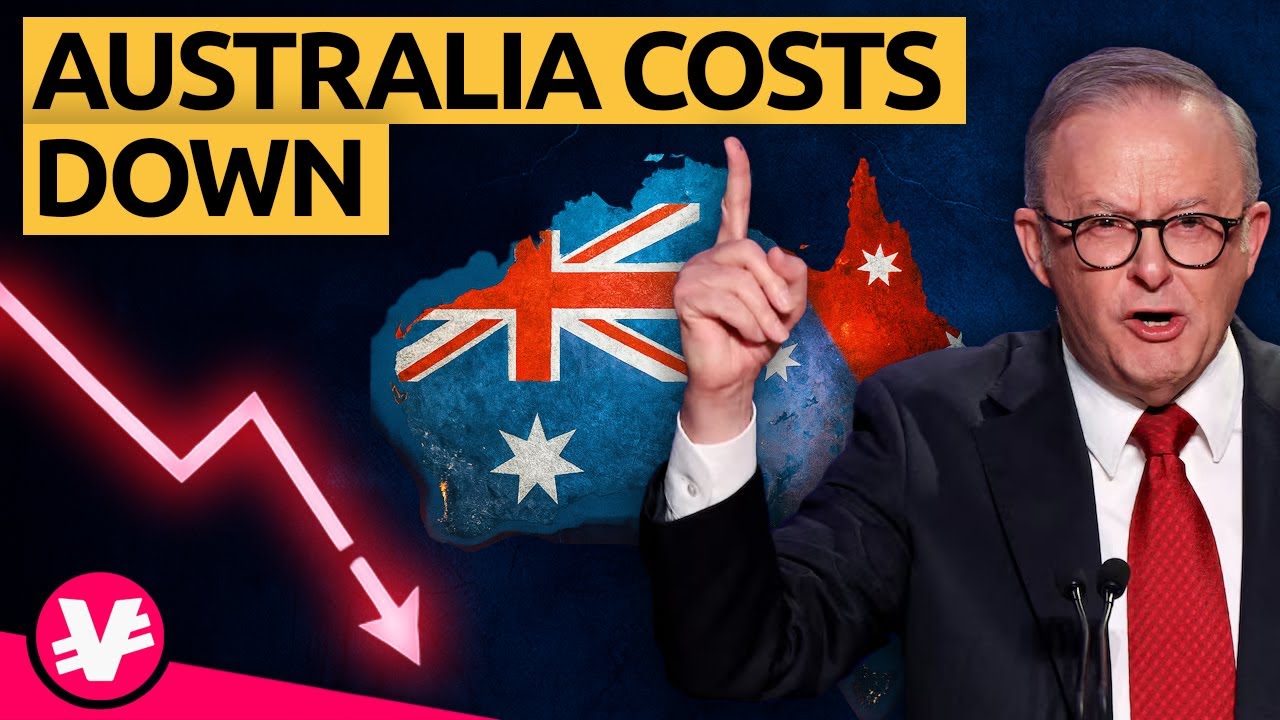
Australian economy Crisis

Israel’s Haredi Challenge
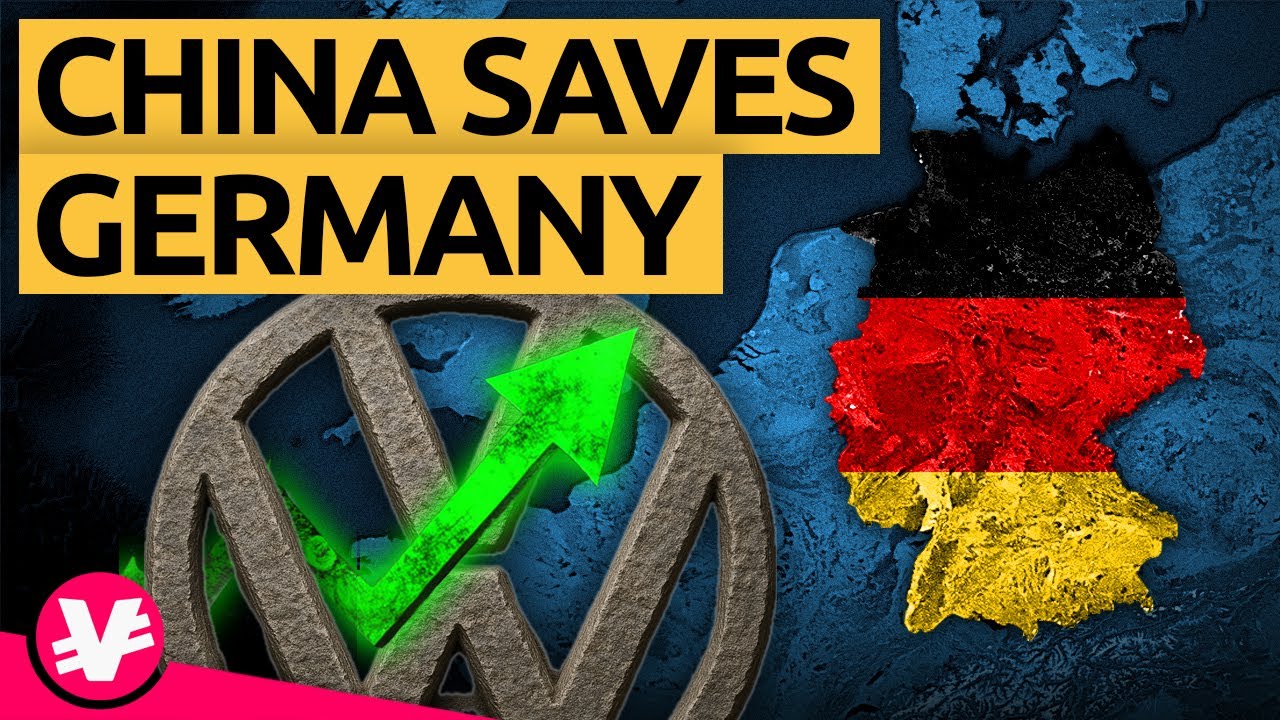
Miracle in Germany: VW soars
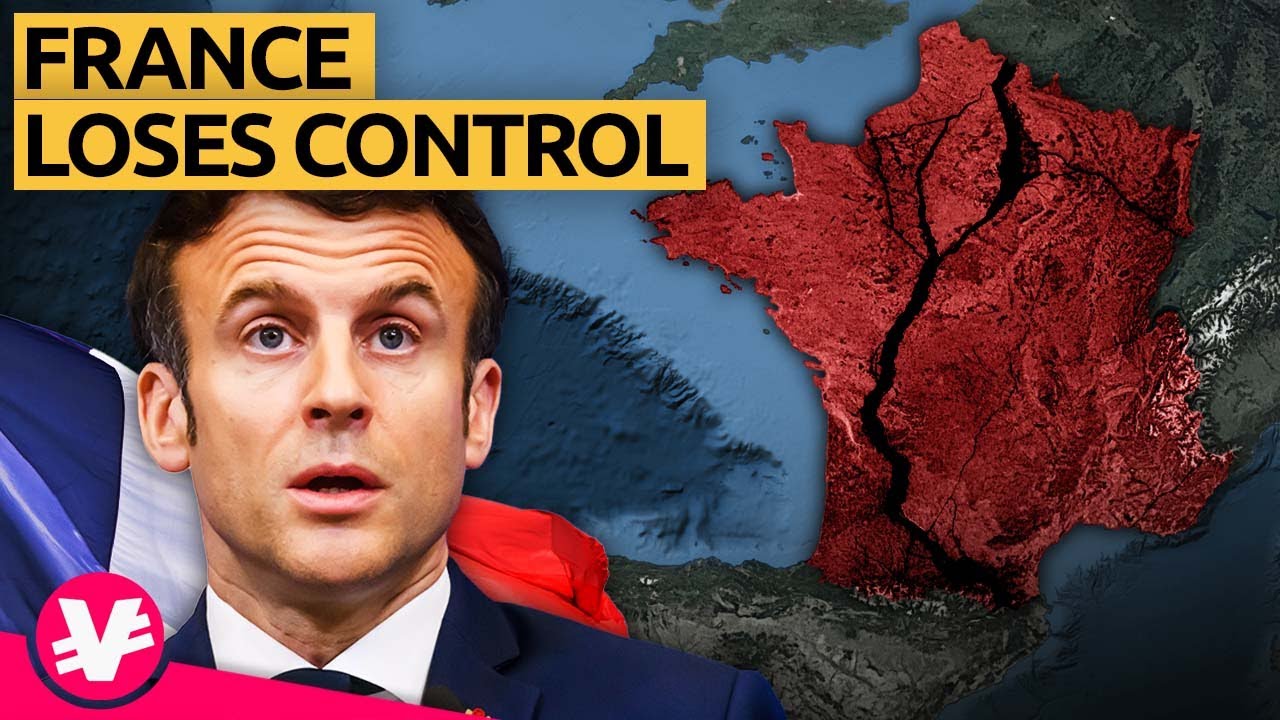
Pension crisis engulfs France
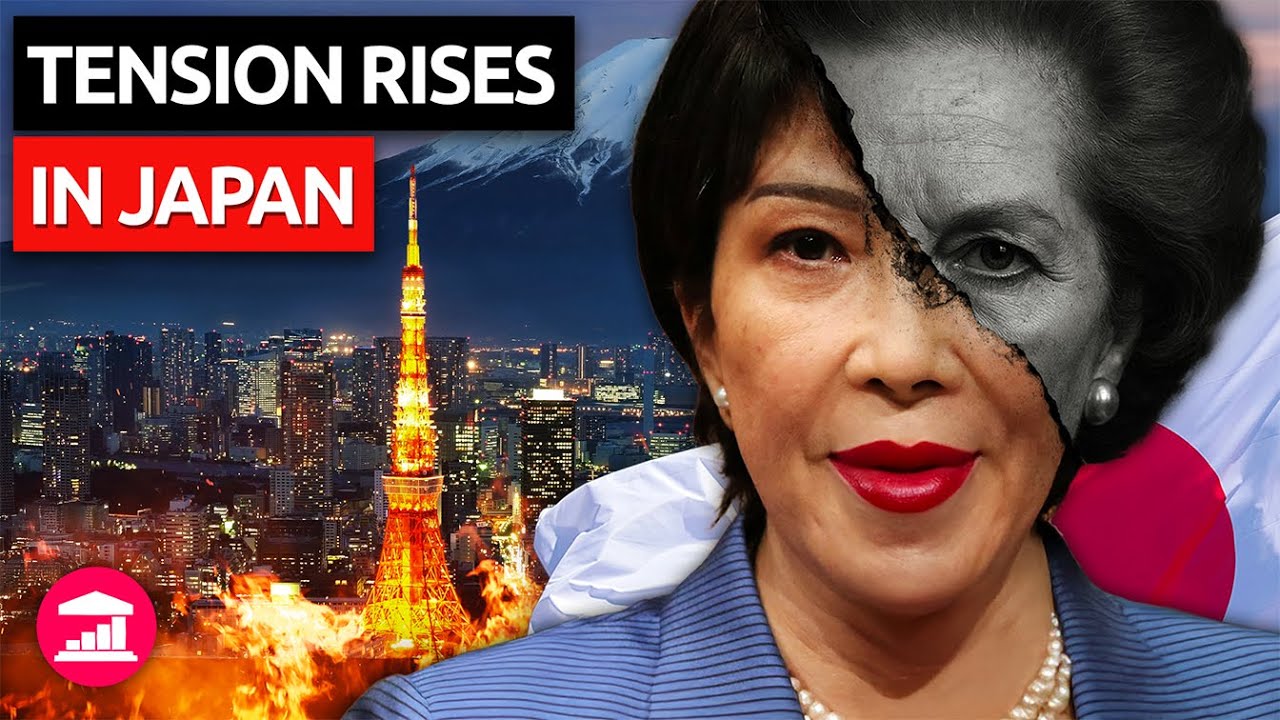
A new vision for Japan

The Fall of South Korea?

Gaza on the cusp of civil war
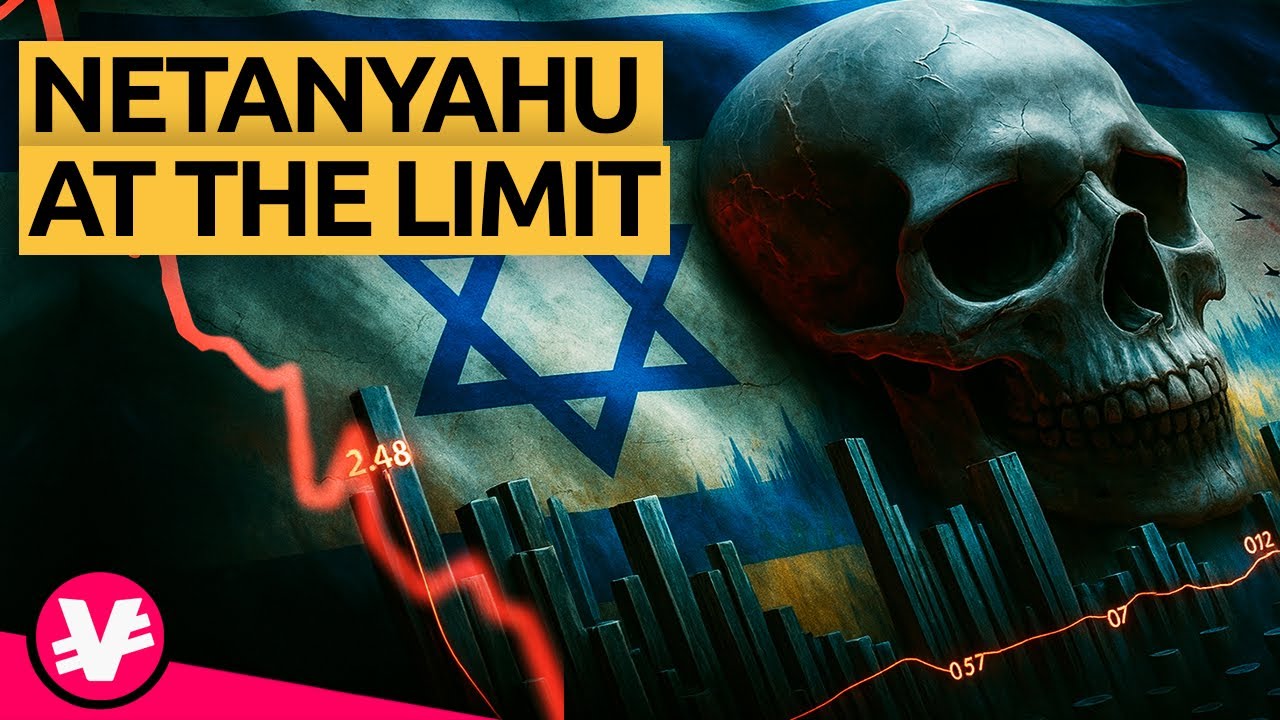
Israel: Economy on the edge

Why Russia can’t end war

Rare Earth Standoff
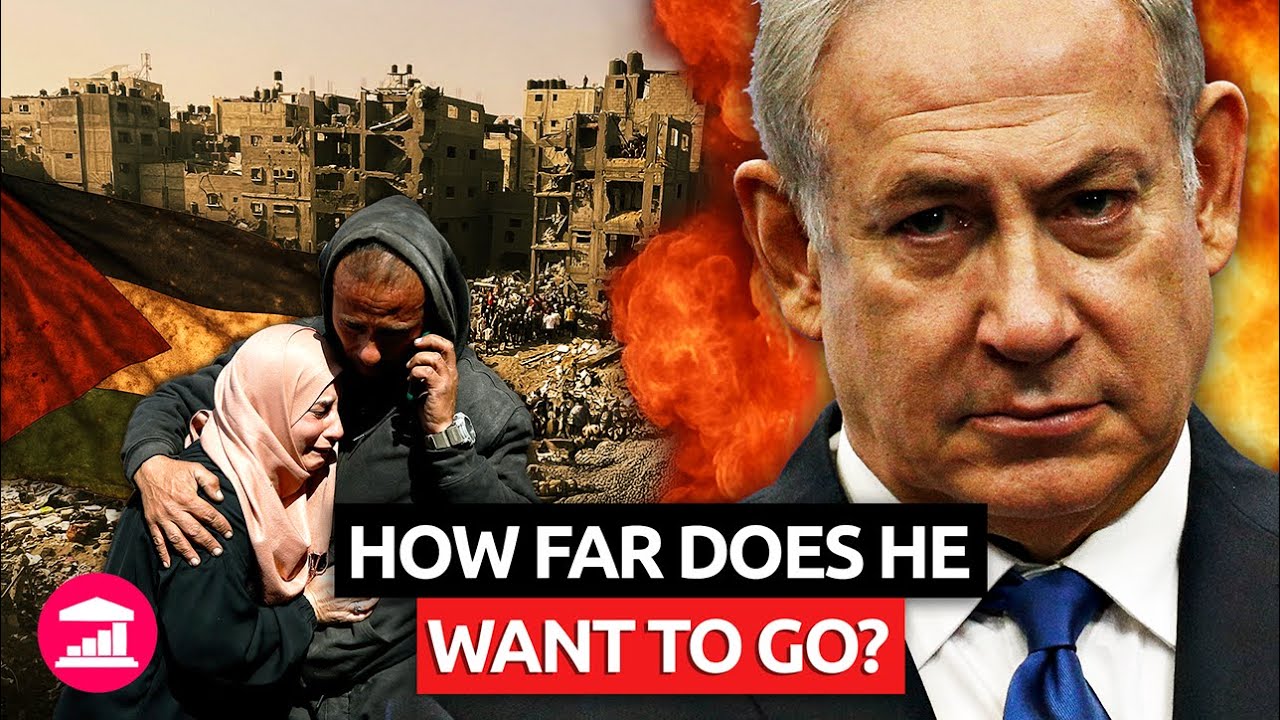
Tanks in Gaza - Hopes dim?