-
 Virus kills tiger cubs in Indonesian zoo
-
Indonesian kids brace themselves for social media ban

-
 No fans, no fireworks as Pakistan T20 league begins with a hush
-
Piastri outshines Mercedes duo to go fastest in Japan practice
-
 New Zealand, Australia say Olympic gender rules bring 'clarity'
-
Gabon battles for baby sea turtles' survival

-
 Hungarians' growing anger at living in EU's 'most corrupt state'
-
Mexico's navy says two boats ferrying aid to Cuba are missing

-
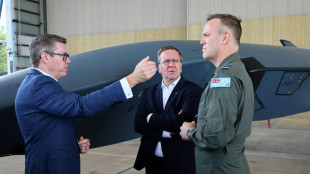 Germany eyes Australian 'Ghost Bat' for drone combat era
-
Nepali rapper to be sworn in as new prime minister

-
 Cryptocurrencies aiding Iran during war
-
Myanmar travellers ride the rails as fuel prices rise

-
 Bolivia, Jamaica close in on World Cup after playoff wins
-
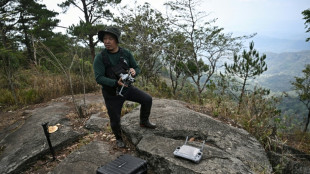
Tech-equipped Indigenous firefighters protect Thai forests
-
 Sacred leaf offers hope for Vanuatu's threatened forests
-
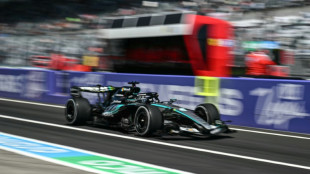
Mercedes' Russell fastest in first practice for Japan GP
-
 Sabalenka, Sinner keep 'Sunshine Double' in sight with Miami Open wins
-
AI used to make 'fetishised' images of disabled women
-
 Oil drops as Trump pauses Iran strikes, but stock traders nervous
-
Parents sacrificed all for 15-year-old India prodigy Suryavanshi

-
 Sabalenka subdues Rybakina to reach Miami Open final
-
Newcomers could threaten Christiania's hippie soul, locals fear

-
 Hornets sting Knicks to maintain playoff push
-
German 'green village' rides out Mideast energy storm
-
 US in the spotlight at WTO meet
-
Cyclone triggers outages at major Australian LNG plants
-
 US judge suspends govt sanctions on AI company Anthropic
-
US currency to bear Trump's signature, Treasury says
-
 Bolivia beat Suriname 2-1 to advance in World Cup playoffs
-
Ukraine destroys Russian terror-oil exports
-
 Mets hammer Pirates on historic day of MLB openers
-
Italy stay in World Cup hunt as Wales, Ireland suffer penalty heartbreak
-
 Italy need to climb "Everest" in World Cup play-of final: Gattuso
-
Czechs fight back to beat Ireland in World Cup play-off

-
 Wales' World Cup dream ended by Bosnia and Herzegovina
-
Mbappe on target as France shrug off red card to beat Brazil
-
 Italy beat Northern Ireland to keep World Cup hopes alive
-
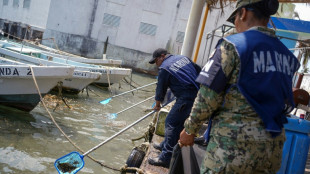
Mexico blames oil slick on illegal dumping
-
 Gyokeres treble sends Sweden past Ukraine in World Cup play-offs
-
OpenAI shelves plans for erotic chatbot
-
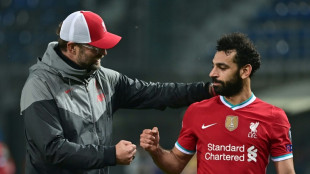 Klopp hails Salah as one of Liverpool's 'all-time greats'
-
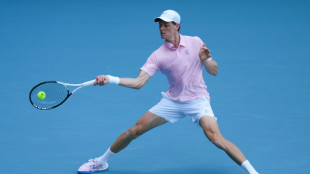
Sinner and Gauff advance with ease at Miami Open
-
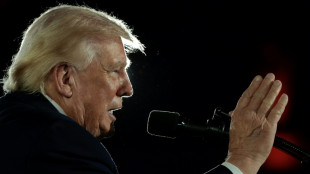 Trump pushes back Iran strikes deadline
-
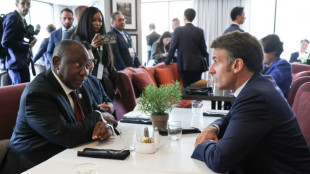
South Africa disinvited from G7 in France
-
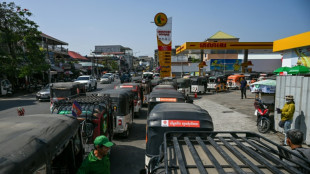 Oil climbs, stocks slide as Iran war uncertainty reigns
-
Alexander-Arnold must accept 'unfair' England snub, says Tuchel

-
 Ko fires 60 to grab early lead at LPGA Ford Championship
-
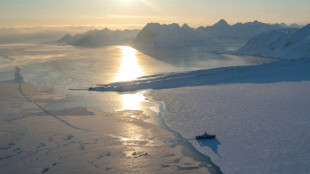
Arctic sea ice at lowest level ever this winter
-
 Oscars to leave Hollywood in 2029: Academy
-
Trump denies he's desperate for Iran deal, Israel short on troops
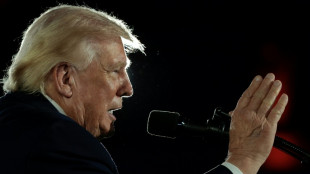
Trump vs. EU: A good deal?
At the end of July 2025, US President Donald Trump and EU Commission President Ursula von der Leyen presented a transatlantic trade agreement at the Turnberry golf resort in Scotland, signalling a surprise agreement after months of escalating threats of punitive tariffs. At its heart is a 15% cap on almost all EU goods exported to the United States, while Brussels will in return scrap all tariffs on US industrial goods – a paradigm shift from the previous ‘zero tariff symmetry’.
In addition, the European Union has committed to purchasing US energy worth 750 billion dollars by 2028 and investing 600 billion dollars in American sites. These commitments are intended not only to improve the US trade balance, but also to reduce European dependence on third countries. Steel, aluminium and copper are exempt from the 15 per cent cap – here, surcharges of 50 per cent remain in place, which will hit traditional EU export industries particularly hard.
The legal framework for implementation is a presidential order signed on 31 July, which comes into force seven days later and adjusts the US Harmonised Tariff Schedule accordingly. Washington is selling the result as a ‘historic recalibration’ of trade relations; Brussels emphasises that it has averted an escalation of the announced 30% punitive tariffs and gained planning security.
But criticism in Europe is loud: German Chancellor Friedrich Merz warns of ‘considerable damage’ to competitiveness, while French Prime Minister François Bayrou speaks of a ‘dark day’ for industry. Economists expect many EU companies to have to choose between sacrificing margins and adjusting prices in the US – with potential inflationary and demand effects on both sides of the Atlantic.
In the medium term, the agreement is likely to cause massive shifts in supply chains: the US energy and defence sectors will benefit immediately, while European car and machine manufacturers will increasingly build up production capacities in North America – a trend that is already evident in current investment plans and reveals the complete incompetence of European politicians! However, before the package becomes legally binding, the 27 EU member states and the European Parliament must ‘still’ give their approval; several MEPs have announced a detailed review of the ‘asymmetrical agreement’.
Whether the agreement represents a stable new trade order or merely a respite depends on whether Brussels forces renegotiations – and whether Washington honours its commitments on market opening, investment and tariff reductions in the long term.

Israel's War on Iran's Ayatollahs

Israel-Iran: USA Strikes

Iran: Allies abandoned

Saudi Arabia's Economic Crisis
Orban and Putin's Shadow Deal
Ukraine's Drones Bleed Russia
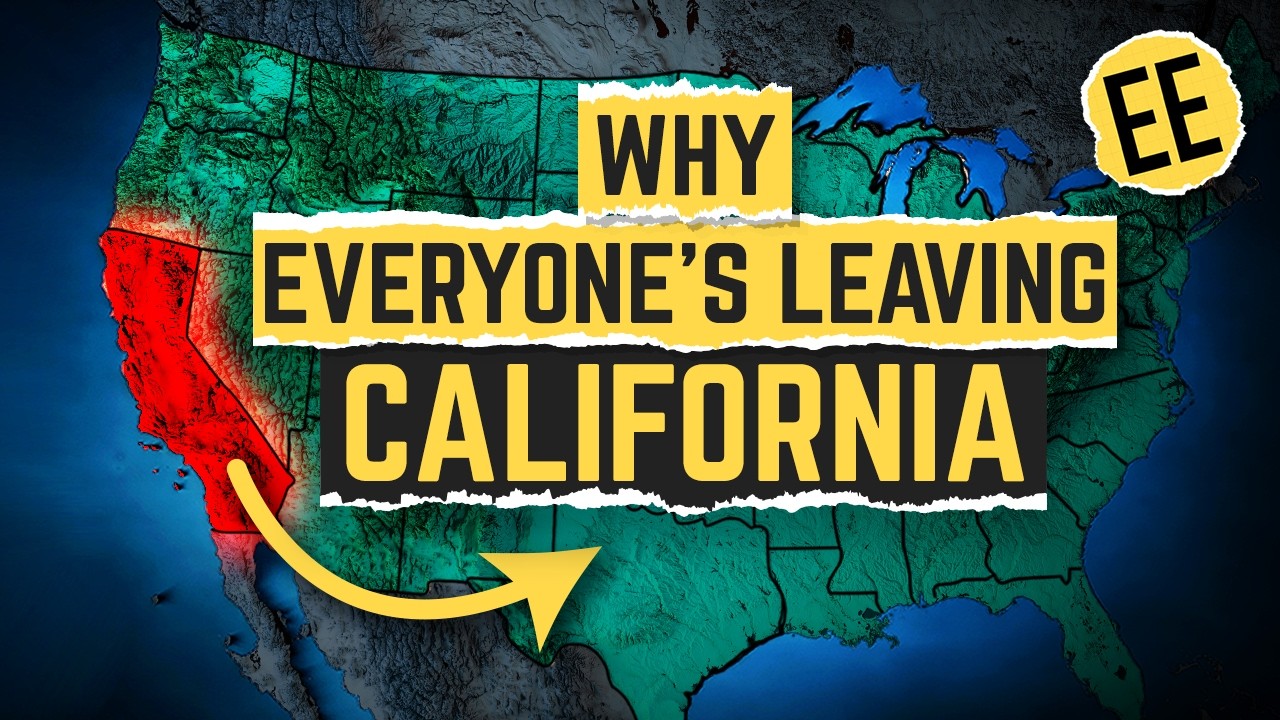
California's Economy: Not Broken

North Korea Infiltrates Economy
Boomers: Selfish or Scapegoats?
Malaysia's Strategic Ascent
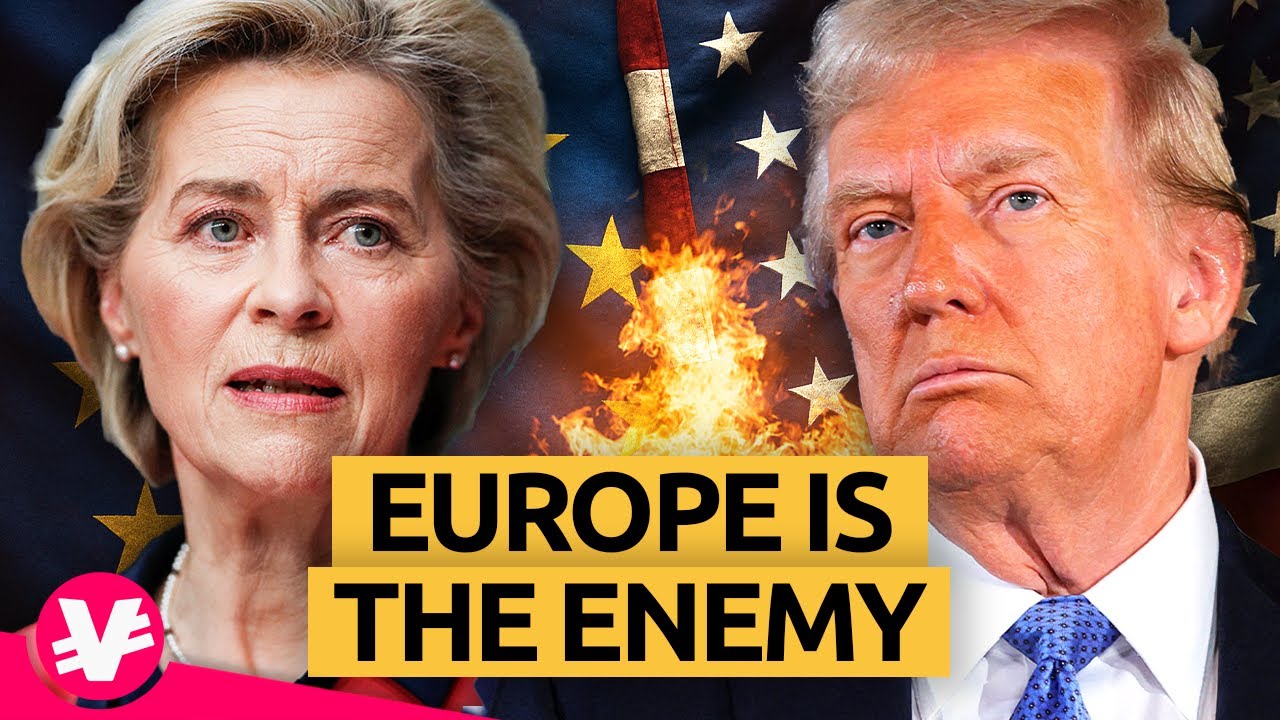
Trump’s 50% tariffs on europe