-
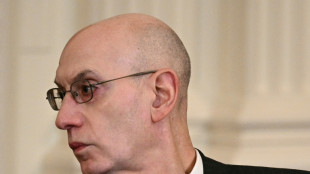 Silver vows NBA tanking solution before draft, seeks Euroleague partnership
-
Day of reckoning arrives for social media after US court loss

-
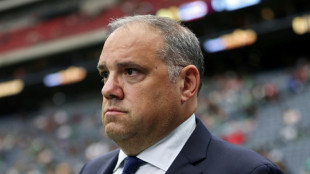 World Cup concerns are exaggerated, says FIFA vice-president
-
NBA team owners approve exploring expansion to Seattle and Las Vegas

-
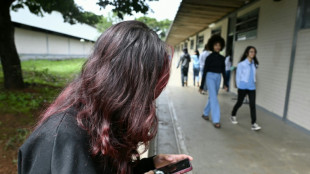 UK teenagers to trial social media bans, digital curfews
-
World champions England still 'unfinished' ahead of Six Nations, says Mitchell
-
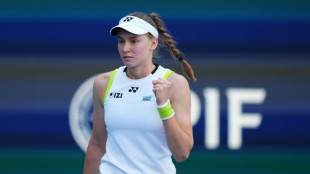 Rybakina outlasts Pegula to reach Miami Open semis
-
Barca build huge lead on Real Madrid in Women's Champions League quarters

-
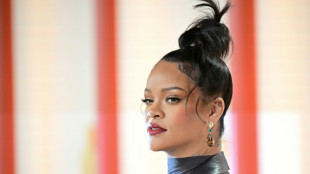 Alleged Rihanna mansion shooter pleads not guilty
-
US says Iran talks continue, will 'unleash hell' if no deal
-
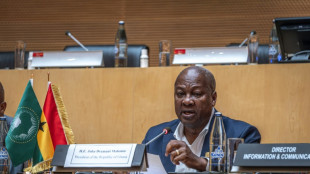 UN designates African slave trade as 'gravest crime against humanity'
-
Trump's Beijing trip rescheduled for May, after Iran delay
-
 No more excuses: World Cup pressure is on for host USA
-
US EPA issues waiver for E15 fuel to address oil supply issues
-
 Grieving families hail court victory against Instagram, YouTube
-
Internet providers not liable for music piracy by users: top US court
-
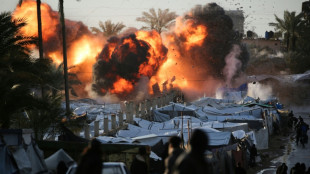 Gaza civil defence says Israeli strike kills one, tents on fire
-
UK govt denies cover-up after PM ex-aide's phone stolen
-
 California jury finds Meta, YouTube liable in social media addiction trial
-
Oil prices slip, stocks rally on Mideast peace hopes
-
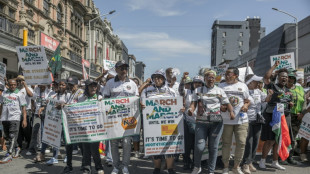 South Africa police clash with anti-immigrant protesters
-
Gattuso says Italy's World Cup play-off 'biggest match' of career
-
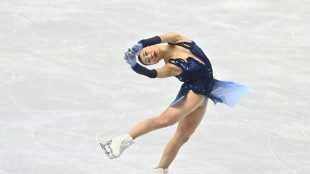 Sakamoto leads skating swansong with 'Time to Say Goodbye' at worlds
-
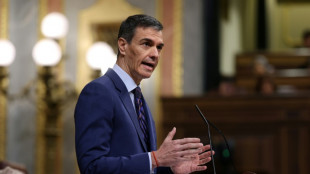
Spanish PM says Middle East war 'far worse' than Iraq in 2003
-
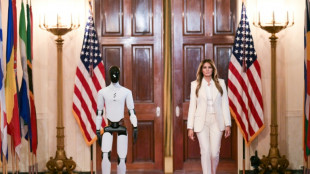 First Robot: Melania Trump brings droid to White House event
-
Oldest dog DNA suggests 16,000 years of human companionship

-
 Iran media casts doubt on US peace plan
-
Rare mountain gorilla twins born in DR Congo: park authorities

-
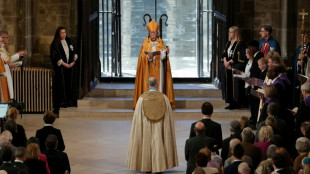 Ex-midwife enthroned as first female Archbishop of Canterbury
-
AC Schnitzer: When Iconic Tuners Fall Silent

-
 Senegal lodge appeal to Court of Arbitration for Sport over AFCON final decision
-
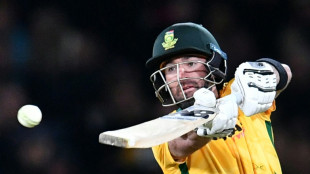
South Africa seal T20 series win in New Zealand
-
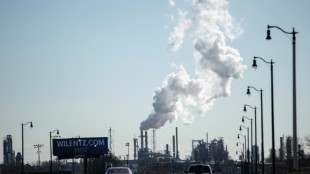 Study links major polluters to big climate damages bill
-
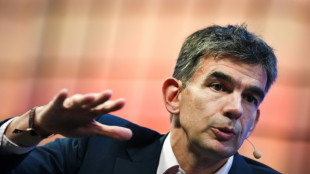
Ex-Google chief Matt Brittin made new BBC director-general
-
 Iran likely behind attacks sowing fear among Europe's Jews: experts
-
'Relieved' McGrath claims career first crystal globe in slalom
-
 US ski star Shiffrin wins overall World Cup title for sixth time
-
Trump names tech titans to science advisory council
-
 Mideast war sparks long queues at Kinshasa petrol stations
-
US TV star details 'agony' over mother's disappearance
-
 Tehran receives US plan to end Mideast war, as Iran fires at US carrier
-
Aviation, tourism, agriculture... the economic sectors hit by the war
-
 Iran fires at US carrier as backchannel diplomacy aims to end war
-
Salah's long goodbye brings curtain down on golden era for Liverpool

-
 Monaco: city of vice and a few virtues
-
AI making cyber attacks costlier and more effective: Munich Re
-
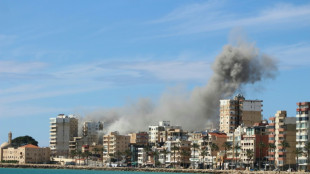 Defying Israeli bombs, Lebanese hold out in southern city of Tyre
-
War-linked power crunch pushes Sri Lanka to four-day week
-
 Hungary says will phase out gas deliveries to Ukraine
-
Oil prices tumble, stocks rally on Mideast peace hopes
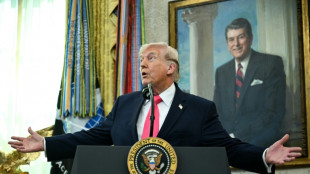
Zelenskyy anti-graft gamble
President Volodymyr Zelenskyy entered office as the public face of a reformist wave, yet today he stands accused of dismantling the very anti-corruption architecture that underpinned his legitimacy. On 22 July Ukraine’s parliament fast-tracked amendments that place the National Anti-Corruption Bureau (NABU) and the Special Anti-Corruption Prosecutor’s Office (SAPO) under the effective control of the prosecutor general, a political appointee answerable to the presidency.
The new law empowers the prosecutor general to reassign high-profile graft cases “when circumstances make NABU’s work impossible,” a clause critics describe as a licence for political interference. Within hours Zelenskyy signalled support, calling the changes a wartime necessity—only to trigger the largest street protests in Kyiv since the first months of the invasion. Demonstrators draped parliament with banners warning of a return to pre-revolution impunity and chanting “EU or bust,” a reference to Brussels’ demand that Kyiv maintain independent watchdogs as a core accession pre-condition.
Financial stakes rose immediately. The European Commission privately told Kyiv that up to €18 billion in macro-financial aid could be frozen unless the rollback is reversed, while several donor governments paused disbursement of recovery funds earmarked for 2025-26. Foreign investors, already wary of doing business in a war zone, saw bond yields spike to a three-month high as rating agencies flagged “governance slippage”.
Domestically, the chill reached law-enforcement corridors. NABU agents reported surprise searches of their offices by state-security operatives, officially justified as a hunt for “foreign infiltration.” Anti-graft officials countered that the raids aimed to seize case files implicating influential wartime contractors.
Under pressure, Zelenskyy invited agency heads and civic groups to negotiate a face-saving compromise. Yet even a cosmetic fix may not repair the reputational damage: polls released this week show confidence in the president’s anti-corruption agenda falling below 40 percent for the first time since 2022. Meanwhile, NABU’s most sensitive investigations—ranging from drone-procurement fraud to embezzlement in frontline logistics—remain in limbo, jeopardising both battlefield efficiency and public morale.
Analysts warn that weakening the investigative firewall could hard-wire patronage into Ukraine’s post-war reconstruction boom. Billions in future EU and World Bank contracts risk flowing through a system perceived to be politically captured, raising the prospect of donor fatigue at a moment when Kyiv’s fiscal gap already exceeds 20 percent of GDP. What began as a procedural tweak is thus morphing into a strategic gamble: Zelenskyy can retreat and reassure partners—or press ahead and test whether Ukraine’s allies will prioritise unity against Moscow over governance standards at home. Either path will define his presidency long after the guns fall silent.

Asylum seekers: Return centres – a Solution?
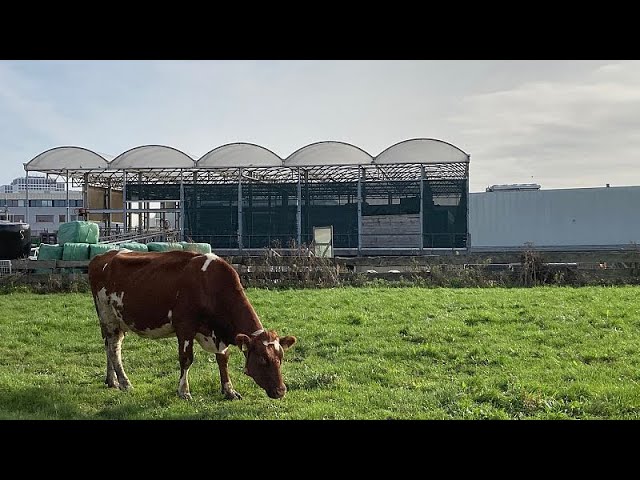
Climate change: A farm in Rotterdam
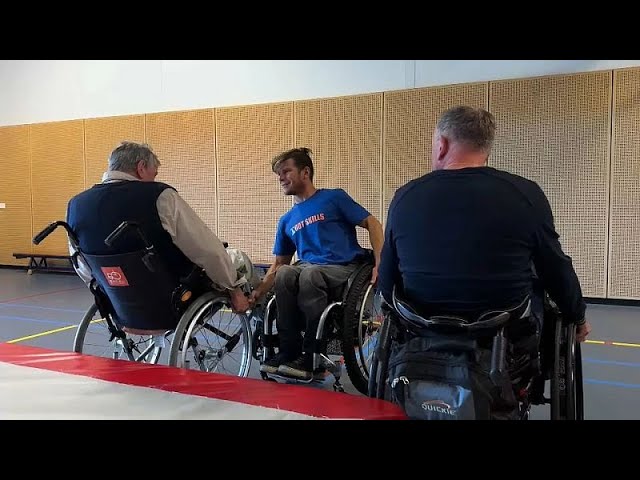
EU: Overcoming barriers to equality
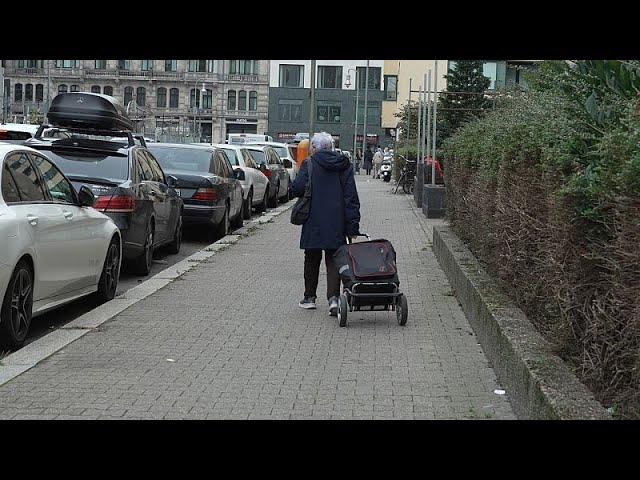
Germany and its outdated pension system

How important is sustainable development?
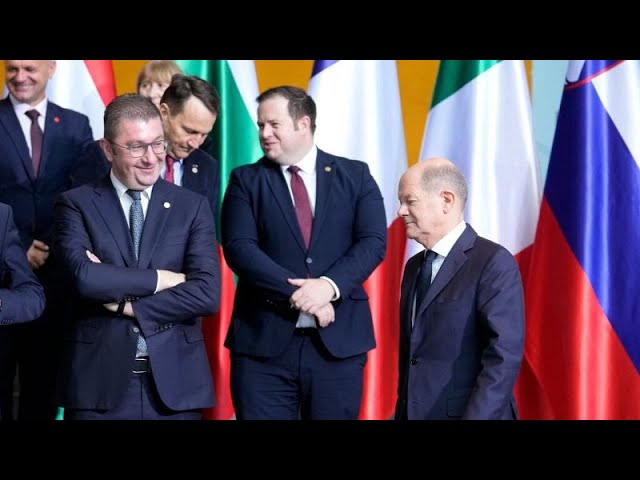
Berlin: EU-Summit of western Balkan heads of state
Putin's War Will Go Bankrupt if the Oil Prices Drop
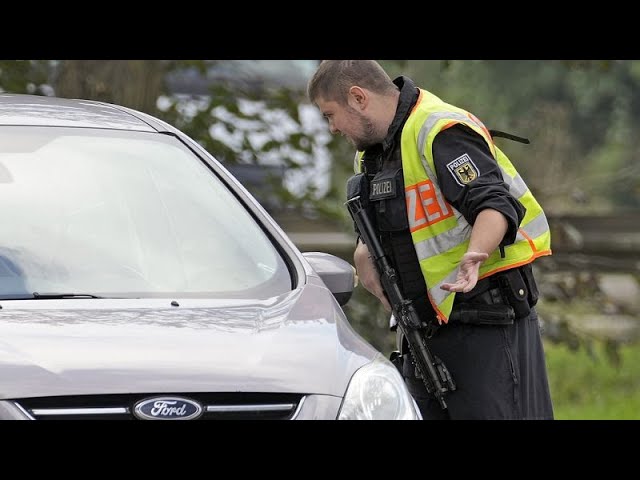
Germany: The fight against economic migrants
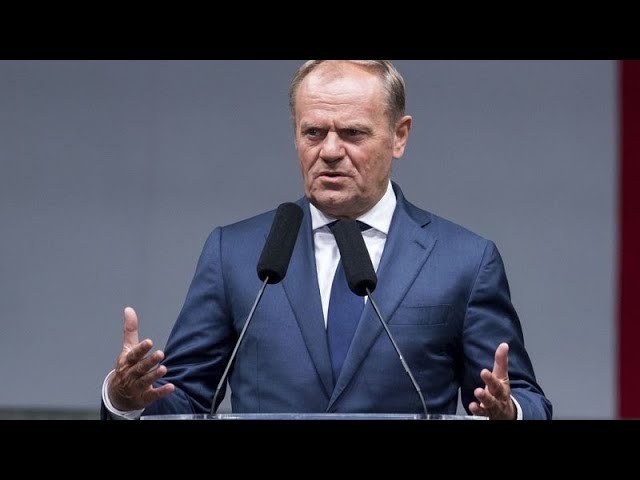
Polish PM and the danger of asylum seekers
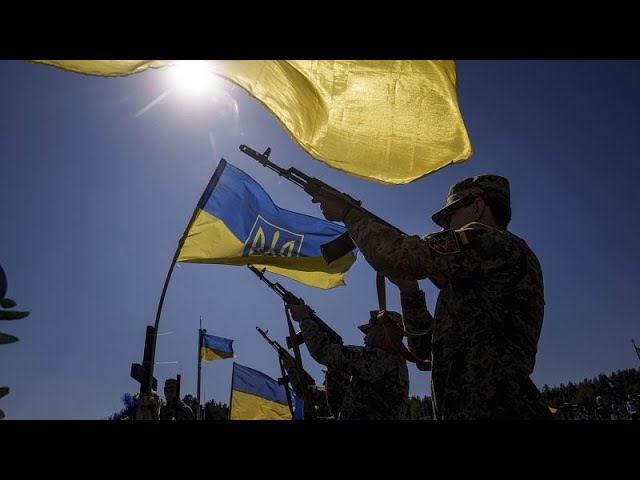
Ukraine: Recruiters searched Kyiv venues

EU: Austrian elections shake Establishment