-
 Goat vs gecko: A tiny Caribbean island faces wildlife showdown
-
Japan PM asks IEA chief to prepare additional 'coordinated release' of oil
-
 Hungary's hard-pressed LGBTQ people say Orban exit is only half battle
-
Belarus leader visits North Korea for first time
-
 'No heavier burden': the decades-long search for Kosovo war missing
-
Exotic pet trade thrives in China despite welfare concerns

-
 Iran fires missile salvo after Trump signals progress in talks
-
BTS concert drew 18.4 million viewers, says Netflix

-
 OSCE's 'chaotic' Ukraine evacuation put staff at risk: leaked report
-
Top WTO official sounds fertiliser warning over Middle East war
-
 France and Brazil weigh up World Cup prospects in glamour friendly
-
Italy hoping to end World Cup pain as play-offs loom

-
 Dirty diapers born again in Japan recycling breakthrough
-
Verstappen's Japan GP win streak under threat as Mercedes dominate

-
 Crude tumbles, stocks rally on hopes for Iran war de-escalation
-
Gauff outlasts Bencic to reach Miami semi-finals
-
 'Hero' Australian dog who saved 100 koalas retires
-
Underdogs chase World Cup berths in Mexico playoff tournament

-
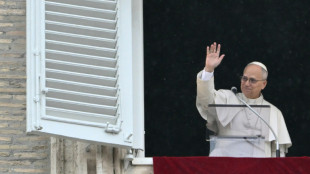 Pope heads to tiny Catholic Monaco
-
Meet the four astronauts set to voyage around the Moon

-
 Artemis 2 Moon mission: a primer
-
It's go time: historic Moon mission set for lift-off

-
 Denmark's PM Mette Frederiksen, tenacious and tough on migration
-
OpenAI kills Sora video app in pivot toward business tools

-
 Danish PM's left-wing bloc wins election, but no majority
-
Brazil court grants house arrest for jailed Bolsonaro

-
 Sinner downs Michelsen to reach Miami Open quarter-finals
-
Advantage Arsenal in women's Champions League quarter-final against Chelsea

-
 Garner dreams of World Cup glory in bid to replicate England under-21 success
-
New Mexico jury finds Meta liable for endangering children

-
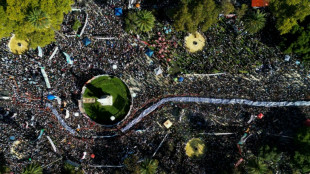 Huge crowd in Buenos Aires marks 50 years since Argentina's coup
-
Oil, stock trading spiked before Trump's Iran remarks
-
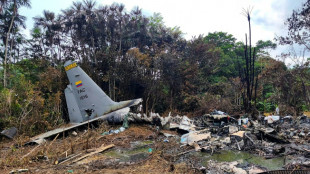 Colombia military plane crash death toll rises to 69
-
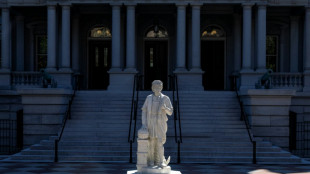
Trump adds Columbus statue, walkway in latest White House makeover
-
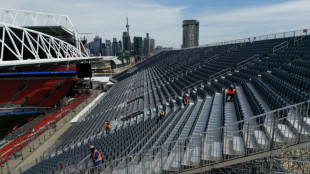 Toronto unveils upgraded World Cup venue after fan scorn
-
Beerensteyn goal gives Wolfsburg edge over Lyon in women's Champions League

-
 Gang crackdown carried out without 'abuses,' Guatemalan defense chief says
-
Afghanistan releases detained US citizen

-
 Danish PM's left bloc leads election, but no majority
-
'Illustrious' Salah to leave Liverpool at the end of the season

-
 Trump says Iran gave US 'gift' linked to Strait of Hormuz
-
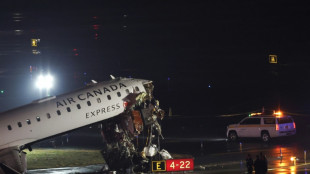
US officials downplay controller 'distraction' in New York crash
-
 Salah to leave Liverpool at the end of the season
-
Trump has destroyed Venezuela's socialist ideology: opposition leader

-
 France urges Israel 'to refrain' from seizing south Lebanon zone
-
UN rights council to hold urgent debate on Iran's Gulf strikes
-
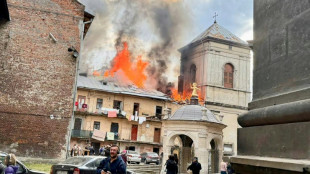 Russia rains drones on Ukraine, killing eight, hitting UNESCO site
-
Lukaku to miss Belgium World Cup warm-up trip to US

-
 Data canary shows economy already suffering from Middle East war
-
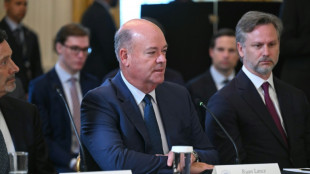
ConocoPhillips chief seeks extra US protection of Mideast assets
Bolivia at breaking point
In recent months, Bolivia has lurched from crisis to crisis. Long queues at gas stations, sporadic road blockades, and clashes between rival political camps have fed fears of a broader internal conflict. A year after a failed military putsch shook La Paz, the country now faces a decisive political transition against the backdrop of a rapidly deteriorating economy. As of August 18, 2025, preliminary results point to an October 19 runoff that ends two decades of dominance by the ruling movement—an inflection point that could steer the country toward stabilization or push it closer to a dangerous spiral.
A political rupture with violent undertones
Bolivia’s governing bloc fractured into warring factions after the split between President Luis Arce and his onetime mentor, former president Evo Morales. That rift spilled into the streets this year: blockades, counter-mobilizations, and deadly confrontations were recorded in mining towns and highland corridors, with church leaders warning of a “spiral of violence.” Those tensions sit atop the still-raw memory of June 26, 2024, when armored vehicles briefly surrounded the presidential palace before the putsch collapsed and commanders were arrested.
The economic picture is grim. In January, a major rating agency cut Bolivia to CCC-, citing vanishing foreign-exchange buffers and looming external payments; by its estimate, the country faced around $110 million in Eurobond coupons this year with only about $47 million in liquid reserves at one point. Fuel imports—long subsidized—have repeatedly faltered, triggering national transport strikes, border disruptions, and days-long lines for gasoline and diesel. Inflation, once among South America’s lowest, surged to multi-decade highs through mid-2025.
A chronic dollar shortage has fractured the currency regime: while the official rate stayed near 6.96 bolivianos per dollar, a thriving parallel market developed. By late July the street rate hovered around 14 BOB per USD—stronger than its worst levels earlier in the year, but still far from the peg—underscoring lost confidence. As households and small firms struggled to access currency, some turned to crypto and informal finance as workarounds.
Gold and gas: lifelines with limits
To scrape together hard currency, authorities leaned on the country’s booming (and often opaque) gold trade, monetizing bullion to raise billions in fresh dollars—an emergency bridge, not a structural fix. Meanwhile, the gas engine that powered Bolivia for two decades has sputtered. Exports to Argentina ended in 2024 as output slumped, and in a symbolic reversal this year, Argentina began shipping Vaca Muerta gas through Bolivia toward Brazil using Bolivian pipelines—signaling how far the regional energy balance has shifted.
Why fears of wider conflict are not far-fetched
No single spark guarantees a slide into civil war, but several risk factors now overlap: factionalized parties with loyal street bases, pockets of armed actors and hardliners, a legitimacy fight around barred candidacies and court rulings, and an economy that can no longer cushion shocks with cheap fuel or a steady dollar supply. Independent monitors have recorded lethal violence tied to the intra-left feud, while civic leaders in blockaded towns report confrontations between residents, protesters, and security forces. Each new blockade erodes livelihoods, deepens scarcity, and shortens tempers—a classic recipe for escalation.
The runway to October—and what comes after
The first-round result has upended Bolivia’s political map: two opposition figures advanced and the ruling movement’s candidate finished far behind, all amid the worst macro stress in a generation. Whoever wins in October will inherit unpopular choices: rationalizing fuel subsidies, rebuilding reserves, restoring a functional FX market, and reviving the gas sector while speeding up transparent lithium and gold governance. Failure risks further shortages, more street battles over scarcity, and a dangerous normalization of political violence. Success demands a credible stabilization plan, broad buy-in from unions and regional elites, and early signals—like targeted cash transfers and a clear, time-bound subsidy path—to keep social peace while reforms bite.
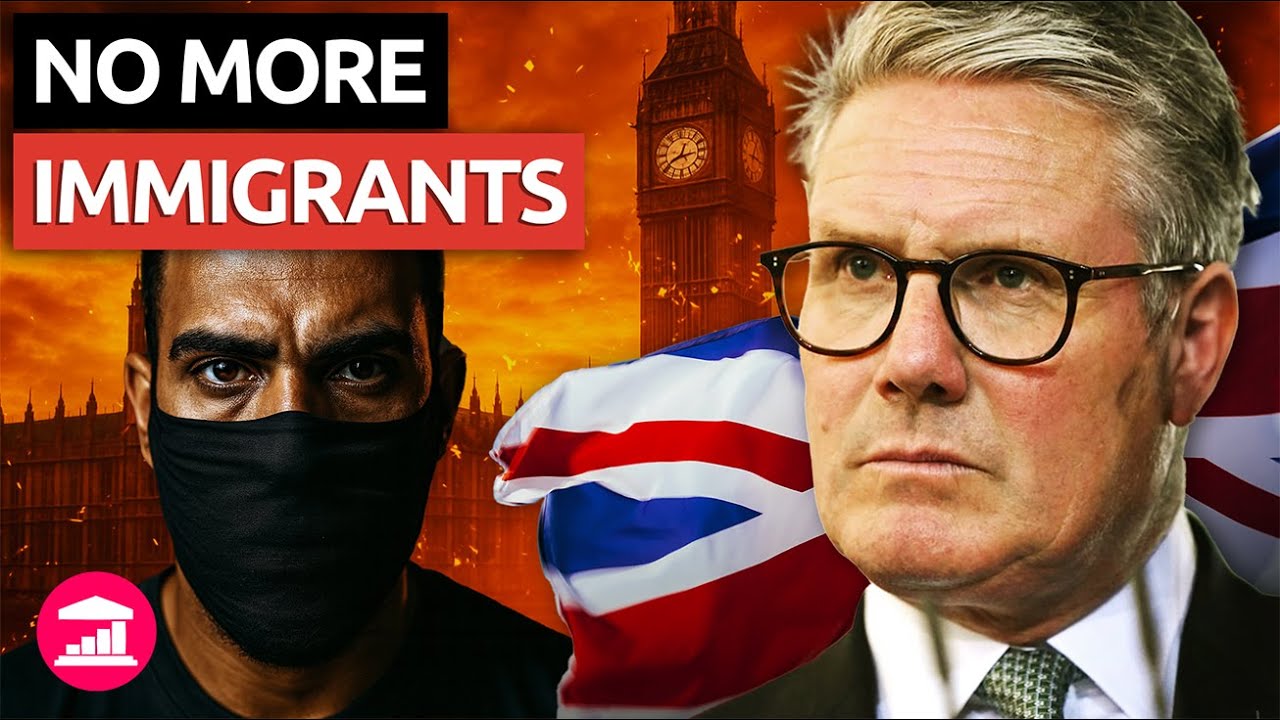
United Kingdom vs Immigration
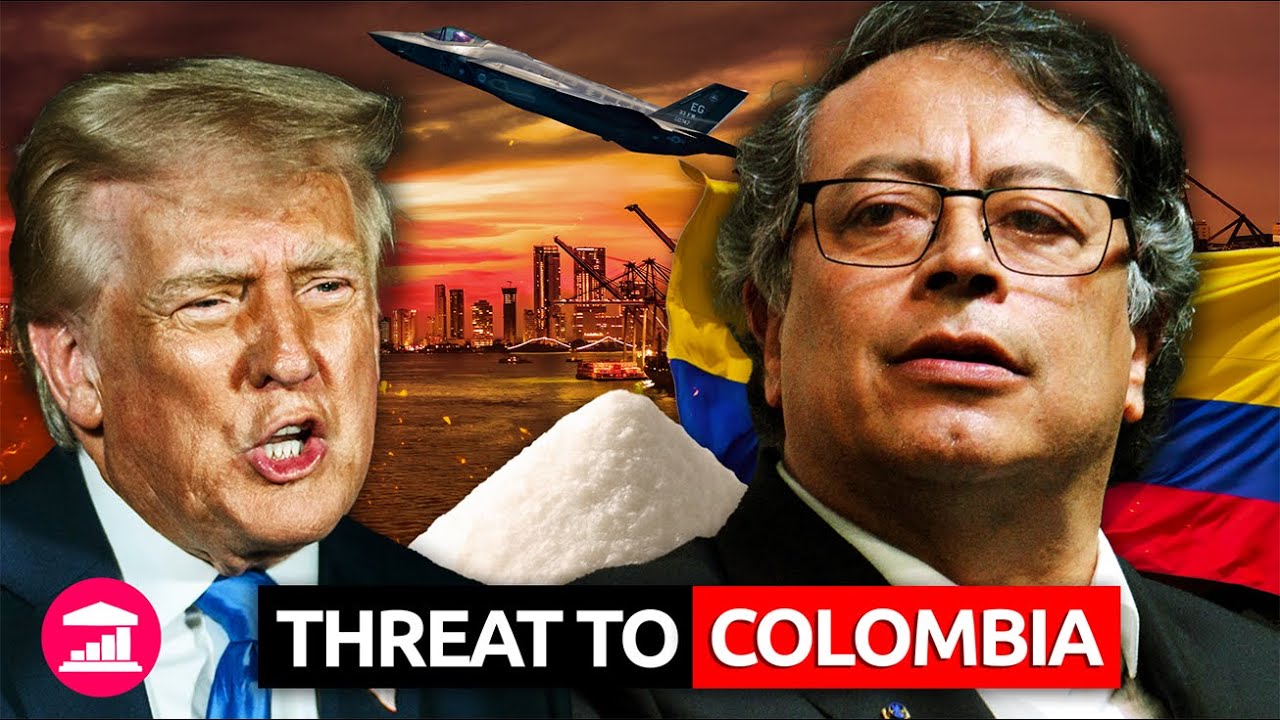
Trump's threats to Colombia

COSTCO profits from Fees
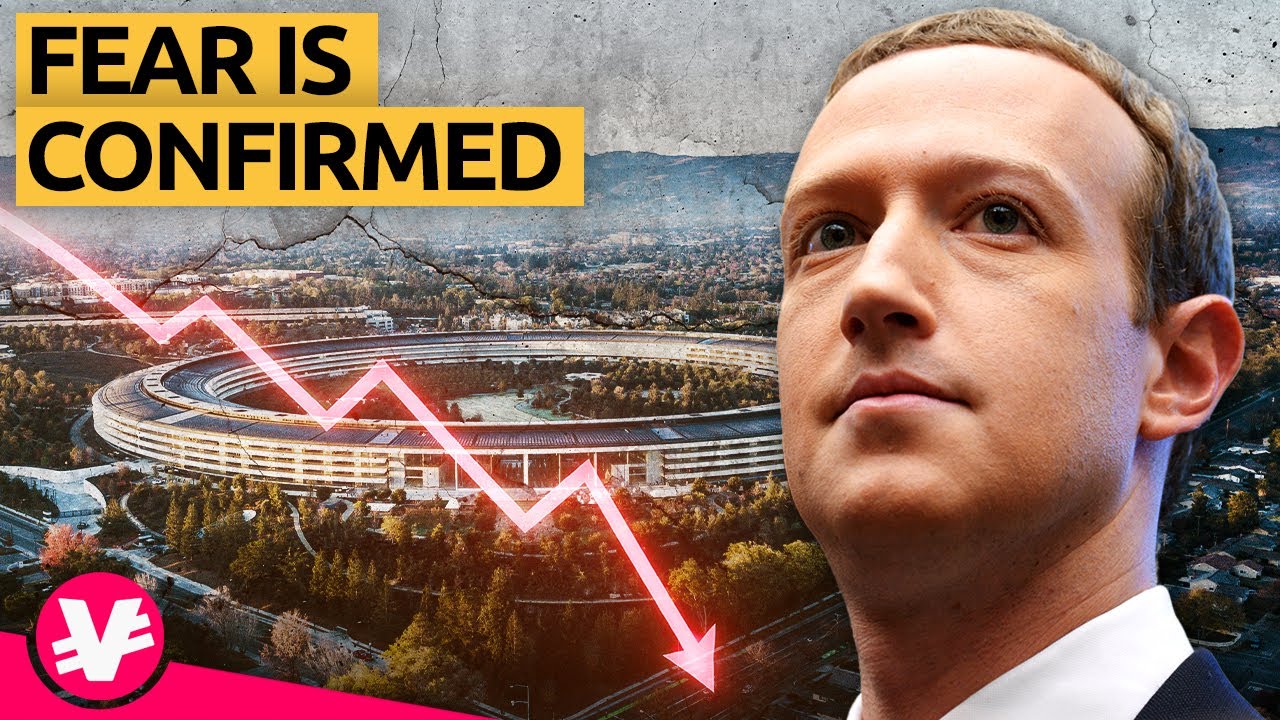
AI bust: Layoffs & Rent surge
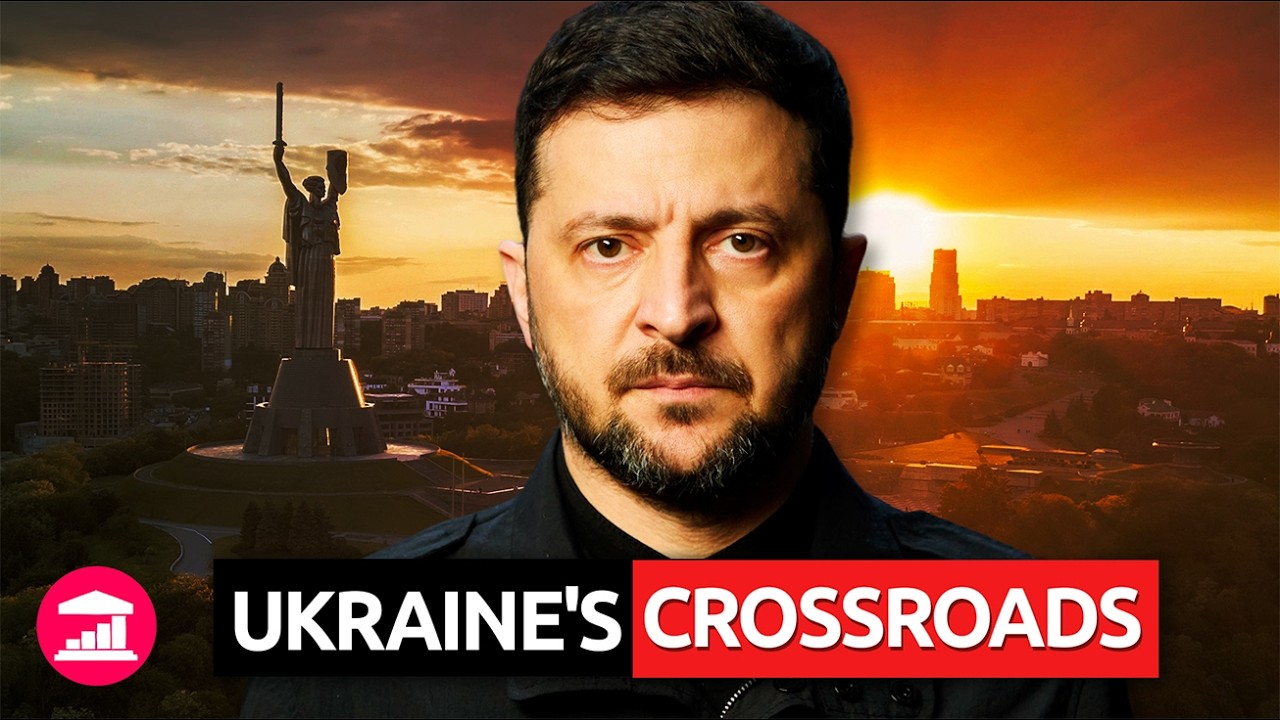
Trap laid, Ukraine walked in
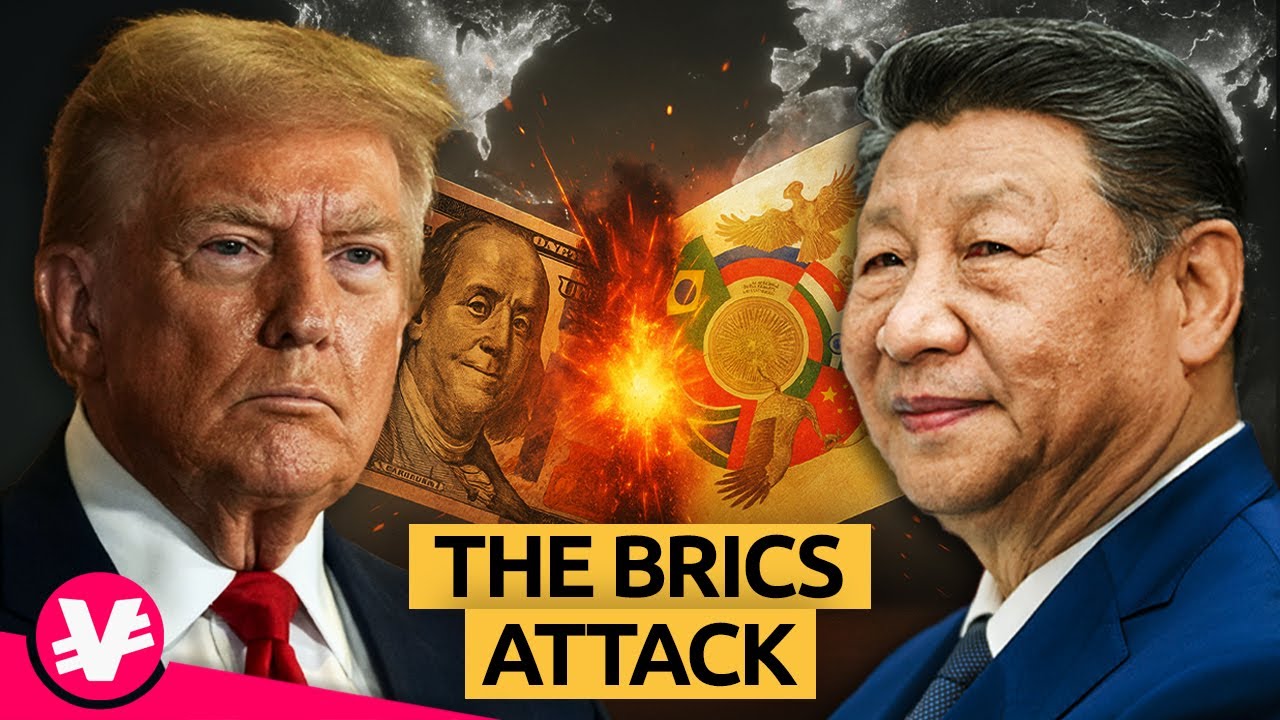
BRICS-Dollar challenge
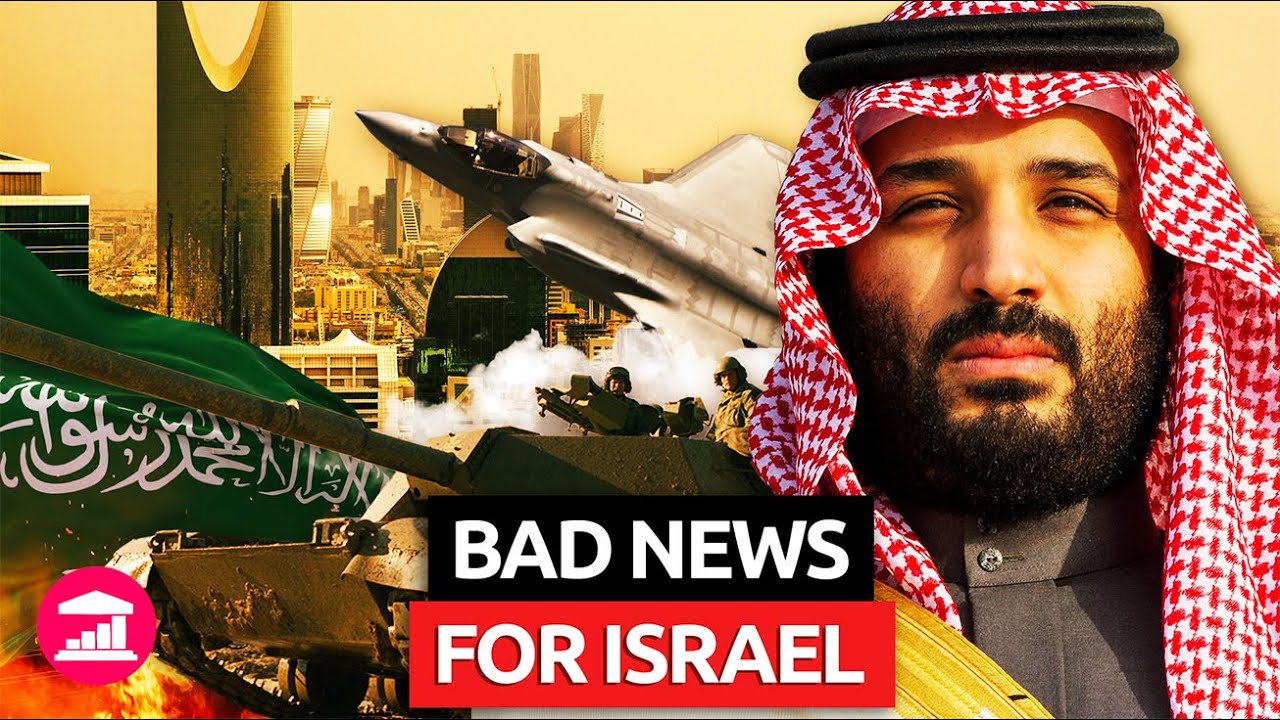
Saudi shift shakes Israel
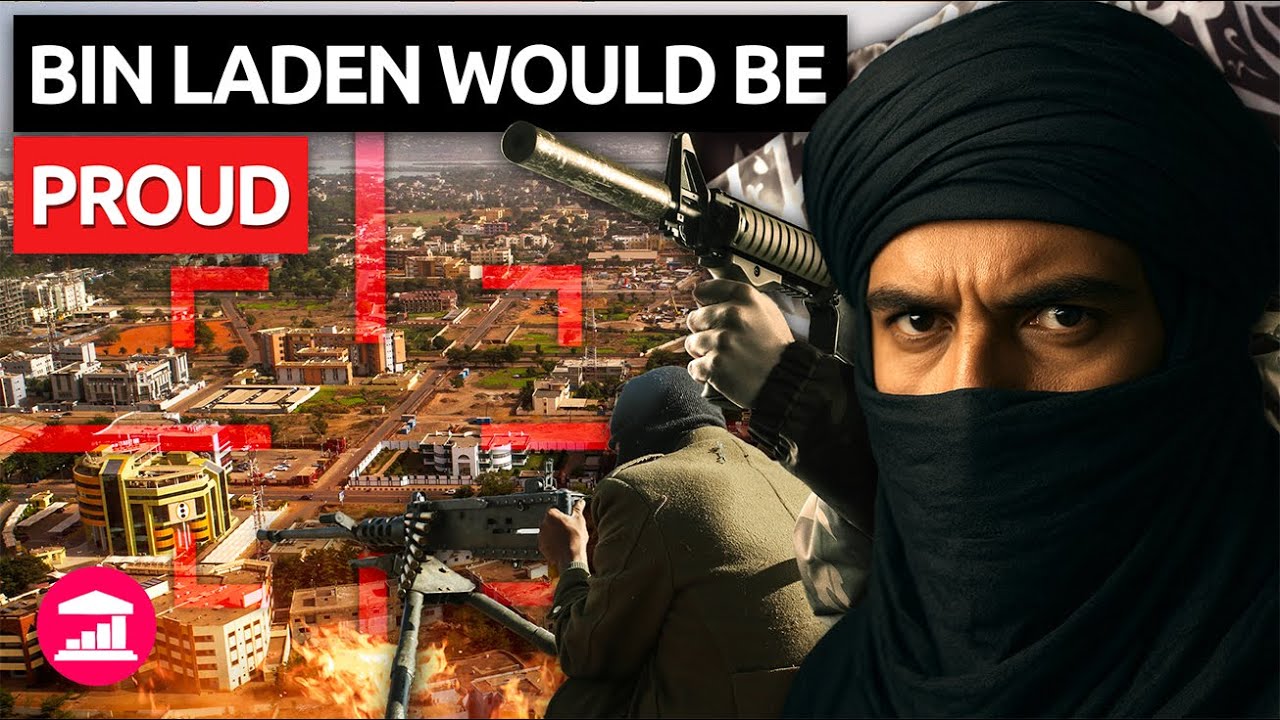
Al-Qaida’s growing ambitions
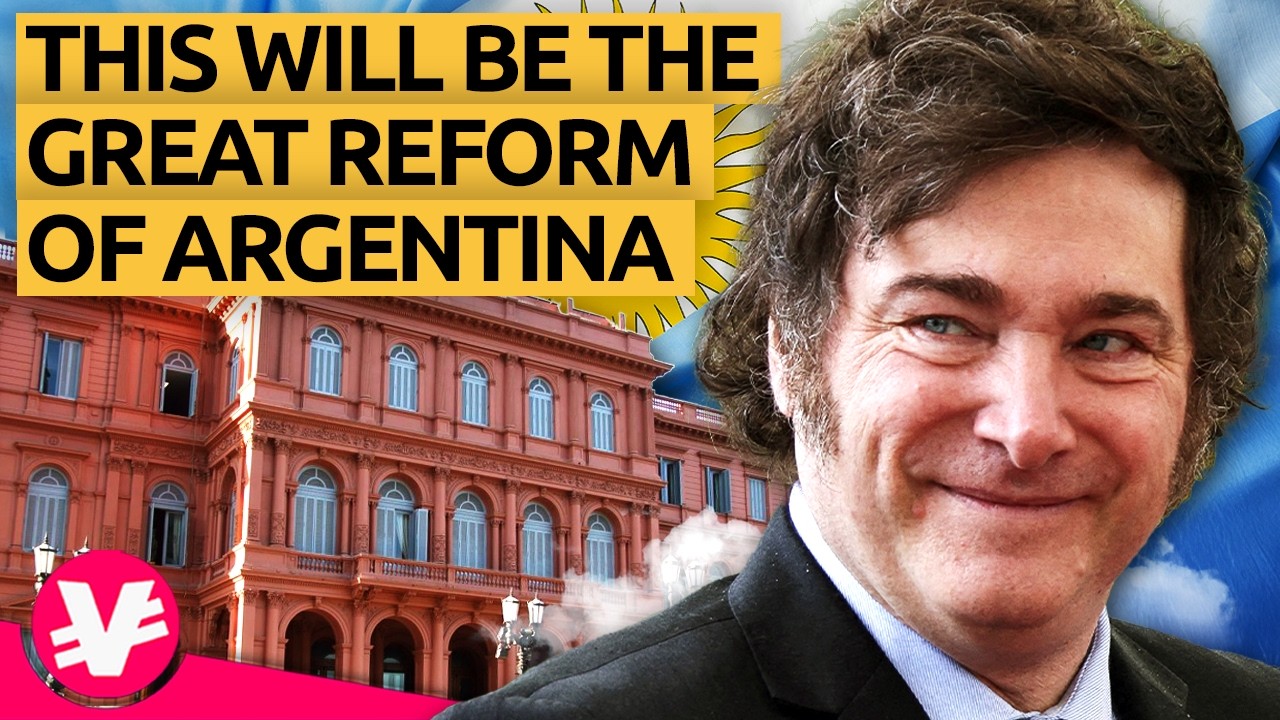
Argentina's radical Shift
Hidden Cartel crisis in USA

New York’s lost Luster