-
 Typhoon Dujuan leaves four dead in Japan, 45,000 houses without power
-
Swimming prodigy Yu, 13, says 'interviews way harder than racing'

-
 G7 leaders condemn Houthi strikes on Saudi Arabia
-
Star coaches make their bows as Nations League returns

-
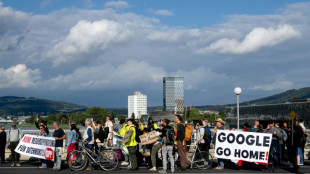 Google data centre sparks protests in Austria
-
Rams bounce back as Giants reel from Dart injury

-
 Shin Ohashi: Junk food-loving teen and Japan's next big swimming hope
-
In Bangladesh, Pakistan's Jinnah photo stirs anger

-
 Stocks rise on AI buzz, drop in oil prices
-
Two New Zealand naval ships transit Taiwan Strait

-
 China's robot dancers limber up for America's Got Talent final
-
Zidane gets down to work as France start new era

-
 Despite military might, Saudi struggles to crush the Houthis
-
Inside the Venezuelan prison meant to 'drive you insane'

-
 Trump to tout deals, defend Iran war in UN speech
-
UK king braces as memoir by Diana's brother goes on sale

-
 Sri Lanka to issue verdict in landmark Easter attack trial
-
Akkodis and Hamburg Public Transport Association Showcase hvv mia at InnoTrans 2026, Demonstrating the Future of AI-Powered Mobility

-
 No green light to lift EU sanctions on Russian oligarchs, talks to resume
-
Macron says talks with Trump on Red Sea, Ukraine 'constructive'

-
 UK agrees support for Saudi in struggle with Houthis: reports
-
Green policies just good politics, says UK minister

-
 EU foreign policy chief calls for continued sanctions on Russia
-
Bardot auction in Paris fetches nearly one million euros

-
 Flights scrapped, evacuations urged as Typhoon Dujuan wallops Japan
-
No timeline on Daniels injury return, says Commanders coach

-
 Fonseca to take break from tennis
-
British Columbia sues OpenAI in US court over Canada school shooting

-
 A Cuban zoo, and its animals, in epic battle for survival
-
French star Batum retires after 18-year NBA career

-
 Infantino proposes consulting federations to reform FIFA
-
Zidane leads first France training session

-
 El Nino weather pattern enters record territory: scientist
-
Man shot by ICE agent in Texas detained with bullet inside him: lawyer

-
 OpenAI calls for US to lead global effort on AI standards
-
California declares state of emergency ahead of El Nino

-
 South African ostriches plucked alive for luxury fashion: report
-
South Africa arrests three more suspects, after nine women murdered

-
 US networks halt Trump coverage in revolt over White House ban
-
Carse needs time away from England, says captain Brook

-
 Paramount settles with US states to clear Warner Bros. mega-merger
-
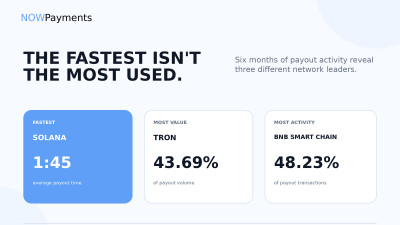
NOWPayments Releases Cross-Chain Payout Data Revealing Key Performance Benchmarks Across TRON, BNB Chain, and Solana
-
 Climate crisis a job for world leaders, not just activists: UK FM
-
British Museum bans photos of Bayeux Tapestry as crowds linger

-
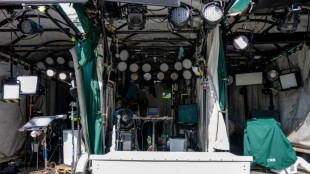 US networks halt Trump coverage over White House ban
-
COP31 host says AI climate footprint to be a summit priority

-
 French singer accuses Miley Cyrus of plagiarism
-
Berlin's far-left vote winners reject anti-semitism charges

-
 EU fines Google 403 mn euros for location data breach
-
Mancini eager for 'new adventure' on Italy return

Tokyo’s Housing playbook
Tokyo is the global outlier: a megacity that keeps housing comparatively affordable by continually adding homes where people want to live. While most world capitals saw rents and prices surge over the past decade, Tokyo’s core has absorbed population and job growth with steady construction, friction-light planning, and transport-led density. The result is a market that feels tight, but not prohibitive, especially measured against incomes and against other alpha cities.
A supply engine that rarely stalls
By-right building and flexible zoning. Tokyo’s national and metropolitan rules concentrate on managing externalities (sunlight, noise, fire safety) rather than prescribing narrow building forms. With broad residential/commercial categories and generous floor-area ratios on transit corridors, projects that meet code typically proceed without political hearings or discretionary up-zoning battles.
Short, predictable approvals. Standardized codes and professionalized review compress time-to-permit, lowering finance risk and encouraging small and mid-sized developers to build continuously rather than only in booms.
Rebuild culture. Earthquake codes, depreciation schedules and a consumer preference for new stock mean frequent teardown-and-rebuild cycles. Even on tiny lots, owners routinely add units or convert to small apartment buildings, incrementally densifying neighborhoods.
Transit makes density livable—and bankable
Private rail drives housing. Tokyo’s private railways integrate stations, shopping, offices and large volumes of mid-rise housing around their lines. Ticket revenue is only part of the business model; property income and development rights fund frequent service and station upgrades.
Unlimited “15-minute” catchments. Because most residents live near frequent rail, mid-rise density scales across dozens of hubs, not just the CBD. That spreads demand—and construction—over a vast footprint, preventing a handful of postcodes from overheating.
Institutions that add capacity
Public/semipublic landlords. Agencies such as the Urban Renaissance (UR) group, municipal corporations and housing cooperatives provide tens of thousands of no-frills, well-located rentals. These aren’t deep-subsidy projects; they are steady, middle-market supply that anchors rents.
Condominiums and rentals grow together. Developers deliver both for-sale condos and purpose-built rentals, so investors don’t have to outbid first-time buyers to add stock. A liquid mortgage market and still-low borrowing costs support new starts even when global rates rise.
Prices, rents and incomes: the relative picture
- Rents are high—but not New York/London high. Typical inner-ward one-bedroom rents remain far below peer megacities when converted at purchasing-power parity. Commuter-line hubs two or three stops from Shinjuku or Tokyo Station offer modern 1LDK units at prices that service workers can realistically afford—without hour-long car commutes.
- Incomes track shelter costs better than elsewhere. On standard measures (price-to-income, price-to-rent), Japan’s trend since the mid-2010s has been flatter than most OECD countries. Tokyo has seen pockets of luxury inflation, but the citywide rent and price indices have grown far more slowly than in North America or Western Europe.
- Volume matters. Even with nationwide housing starts easing in 2023–2024, Greater Tokyo continues to add substantial numbers of dwellings each year, especially along infill rail corridors and in redevelopment districts (Shibuya, Shinagawa, Toyosu, Kachidoki).
Why the system resists scarcity
- Politics aligns with building. Because zoning is permissive citywide, there’s less incentive for neighborhood vetoes or speculative land banking tied to hearings.
- Small lots, small builders. A fragmented development ecology turns thousands of micro-sites into duplexes and 3–10-unit walk-ups, the “missing middle” that many cities lack.
- Elastic density near jobs. Station-area rules allow extra floor area for mixed-use, family-sized units and open space, so growth concentrates where services exist.
What could change
- Aging construction workforce may raise costs and slow output unless training and immigration expand.
- Materials inflation and redevelopment of marquee sites can pull contractors toward luxury segments if not counterbalanced by steady mid-market programs.
- Demographic shifts—Tokyo’s net in-migration has already slowed—could rebalance demand across the metro, altering where affordability is best.
The takeaways for other megacities
- Make most housing legal by default; reserve politics for genuine impacts, not routine approvals.
- Let transit operators profit from development so they have reason to add service and stations.
- Cultivate small builders and small lots; mass only high-rises won’t close the gap.
- Keep a neutral, middle-market rental sector that adds units year-in, year-out.
- Measure success in permits and completions, not just plans.
Tokyo’s achievement isn’t magic. It is a long-running, systems-level commitment to abundant, transit-served housing—and a regulatory culture that treats new homes as a feature, not a problem.

Russia's Drone ploy in Poland

After Kirk: Speech at Risk

Tel Aviv’s Wartime rally

Venezuela braces after Strike

Operation Venezuela: Scenario

Poland trusts only hard Power

Tanks in Gaza - Hopes dim?

Why Russia can’t end war

Power at the Heart of Iran

Argentina reshapes oil

EU India deal gains unveiled