-
 Bardot auction in Paris fetches nearly one million euros
-
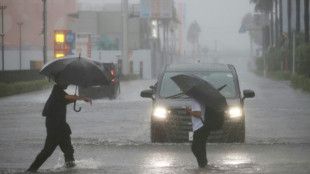
Flights scrapped, evacuations urged as Typhoon Dujuan wallops Japan
-
 No timeline on Daniels injury return, says Commanders coach
-
Fonseca to take break from tennis

-
 British Columbia sues OpenAI in US court over Canada school shooting
-
A Cuban zoo, and its animals, in epic battle for survival

-
 French star Batum retires after 18-year NBA career
-
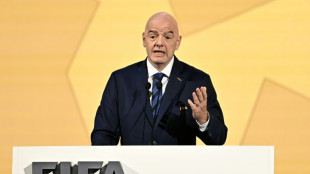
Infantino proposes consulting federations to reform FIFA
-
 Zidane leads first France training session
-
El Nino weather pattern enters record territory: scientist
-
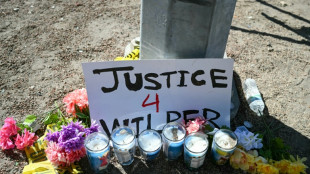 Man shot by ICE agent in Texas detained with bullet inside him: lawyer
-
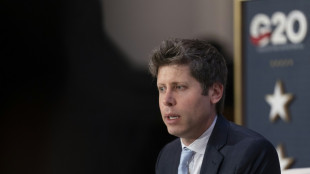
OpenAI calls for US to lead global effort on AI standards
-
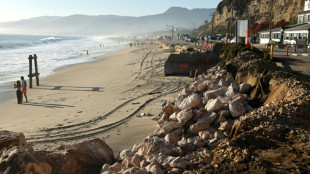 California declares state of emergency ahead of El Nino
-
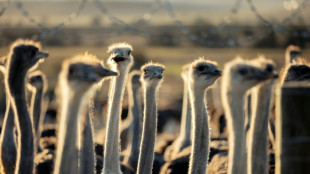
South African ostriches plucked alive for luxury fashion: report
-
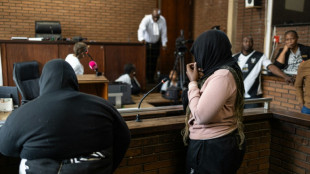 South Africa arrests three more suspects, after nine women murdered
-
US networks halt Trump coverage in revolt over White House ban

-
 Carse needs time away from England, says captain Brook
-
Paramount settles with US states to clear Warner Bros. mega-merger
-
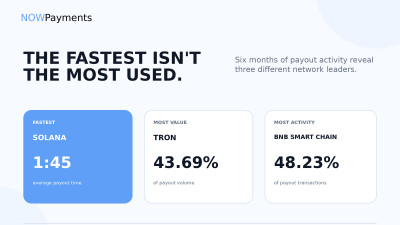 NOWPayments Releases Cross-Chain Payout Data Revealing Key Performance Benchmarks Across TRON, BNB Chain, and Solana
-
Climate crisis a job for world leaders, not just activists: UK FM
-
 British Museum bans photos of Bayeux Tapestry as crowds linger
-
US networks halt Trump coverage over White House ban
-
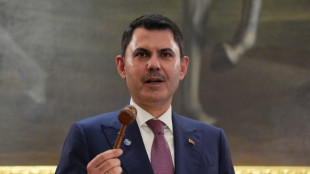 COP31 host says AI climate footprint to be a summit priority
-
French singer accuses Miley Cyrus of plagiarism

-
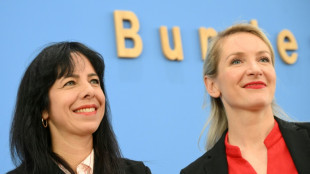 Berlin's far-left vote winners reject anti-semitism charges
-
EU fines Google 403 mn euros for location data breach

-
 Mancini eager for 'new adventure' on Italy return
-
'Best is yet to come,' says De la Fuente after Spain extension

-
 Mbappe says having Zidane as France coach 'like a film'
-
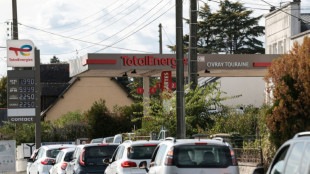
Why diesel prices are rising more than crude oil
-
 Palmer, Rice out of England Nations League squad
-
COP31 host says AI's climate footprint to be a summit priority

-
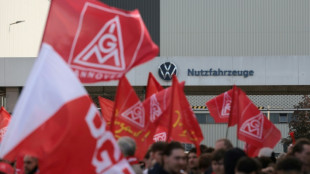 German auto workers stage mass protests in bid to save jobs
-
Renewables hit record in 2025, but world must move faster: report
-
 Embattled Merz vows to keep ruling for 'democratic future' of Germany
-
US media outlets to sue Trump administration after White House ban

-
 Merz vows to keep ruling coalition together for 'democratic future' of Germany
-
Global stocks rally on lower oil prices, US-China hopes

-
 Spain coach De la Fuente gets new deal after World Cup success
-
EU proposes energy rating for data centres
-
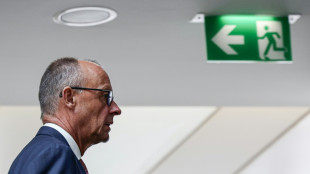 Pressure grows on Germany's Merz after election defeats
-
Schoolgirl Yu scorches to second gold as doping case rocks Games

-
 China's Zhang beats Japan rivals to Asian Games gymnastics gold
-
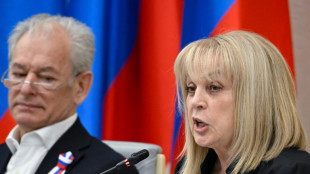
Putin's party secures record score in Russia election
-
 Samlingen Haupt: Vad pengar avslöjar om oss människor
-
Haupt Koleksiyonu: Paranın Biz İnsanlar Hakkında Anlattıkları

-
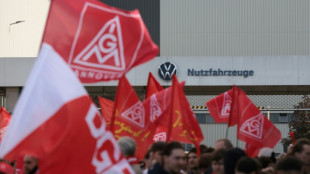 Tens of thousands of German auto workers protest to save jobs
-
Spanish PM says unregulated AI could be 'devastating'

-
 हॉप्त् कलेक्शन: पैसा हमारे बारे में एक इंसान के रूप में क्या प्रकट करता है
-
Yu, 13, smashes record again with second Asian Games gold

Australian economy Crisis
Australia is facing a suite of troubling economic trends. Growth is slowing, prices are rising and people’s living standards are slipping. Despite a headline unemployment rate that remains around 4.3 %, officials warn that the economy may be trapped in a slow‑growth, high‑inflation environment unless investment and productivity improve. Households are feeling the strain as wages fail to keep pace with costs and the housing market becomes increasingly inaccessible.
Official national accounts show that the economy grew by only 0.6 % in the June 2025 quarter and by 1.3 % over the year; the terms of trade fell and the household saving ratio slid to 4.2 %. Living cost indexes rose between 0.6 % and 1.5 % in the September quarter, with housing and recreation costs making the biggest contribution. Consumer prices increased 1.3 % in the September quarter and 3.2 % over the year, while wages grew only 0.8 % in the June quarter and 3.4 % annually. The resulting squeeze on household budgets is causing real incomes to stagnate.
Underlying inflation has accelerated to around 3 %, reflecting higher electricity, fuel and services prices. The September inflation pulse overshot forecasts and dashed hopes of a quick rate cut; electricity prices jumped 9 % in the quarter, holiday travel costs rose 2.5 % and local government charges climbed 6.3 %. Analysts note that real wages are unlikely to regain their 2011 purchasing power until the latter part of this decade.
Housing is the most visible symptom of the malaise. About one‑third of households rent, and median advertised rents have increased by roughly 48 % over the past decade; they rose 5.5 % between the first quarter of 2024 and the first quarter of 2025. More than 1.26 million low‑income households spend over 30 % of their disposable income on housing, including 44.5 % of mortgage holders and 20.5 % of renters. Median house prices have risen by 8.6 % in the past year, far outpacing incomes, and home values rose 1.1 % in October alone. Investor lending now accounts for two in every five new home loans, with the value of these loans rising 17.6 % and calls emerging for regulators to curb landlord credit growth. A government scheme allowing first‑home buyers to borrow with a 5 % deposit effectively grants buyers the equivalent of a $120 000 deposit on an $800 000 home; critics warn that this incentive fuels investor speculation and pushes up prices.
Mortgage stress is spreading. Research shows that 27.9 % of mortgage holders were at risk of stress in the three months to August 2025, with 17.9 % extremely at risk. Nearly one million Australians now work two or more jobs – 6.6 % of the employed population – because rising living costs and inflation are outpacing wage growth. Taking on additional employment has become a coping strategy for households trying to meet mortgage repayments and other bills.
Young Australians are particularly pessimistic. A national survey found that 85 % of young people experienced financial difficulty in the past year and almost four‑fifths believe they will be worse off than their parents. Fewer than half expect to own a home, and about 44 % have experienced unemployment while 60 % have endured underemployment. Poverty is widespread: more than one in seven people (14.2 %) and one in six children live below the poverty line, defined at 50 % of median after‑tax household income, and more than 57 % of low‑income renters are in housing stress. Rents in major cities have risen between 34 % and 41 % since 2021, deepening financial hardship.
Beneath the veneer of a modestly strong labour market lie deepening structural problems. Per‑capita economic output has contracted at various points over the past two years, and productivity growth has slowed. Officials acknowledge that without a revival of investment and productivity, the country risks a prolonged period of sluggish growth and persistent inflation. Rising housing costs, real wage stagnation, mortgage stress and youth pessimism all point to an economy that is leaving many behind. Unless these issues are addressed with urgency, something terrible will indeed continue to happen in the Australian economy.

Trump's threats to Colombia

United Kingdom vs Immigration

Brazil tests Milei’s gamble

China’s lithography leap

Scandic Coin, (SNC) and Trust

AI's 18-month Job disruption

Will US Forces Invade Iran?

Syria's forgotten tragedy

Ultimatum Spurs Credit Panic

Trump fears Asia's oil shock

Iran-War and dangerous Lines