-
 Virus kills tiger cubs in Indonesian zoo
-
Indonesian kids brace themselves for social media ban

-
 No fans, no fireworks as Pakistan T20 league begins with a hush
-
Piastri outshines Mercedes duo to go fastest in Japan practice
-
 New Zealand, Australia say Olympic gender rules bring 'clarity'
-
Gabon battles for baby sea turtles' survival
-
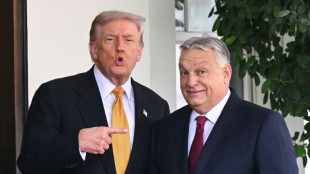 Hungarians' growing anger at living in EU's 'most corrupt state'
-
Mexico's navy says two boats ferrying aid to Cuba are missing
-
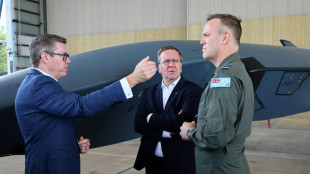 Germany eyes Australian 'Ghost Bat' for drone combat era
-
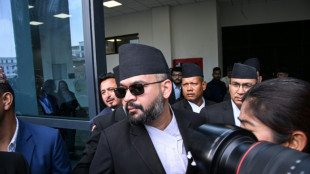
Nepali rapper to be sworn in as new prime minister
-
 Cryptocurrencies aiding Iran during war
-
Myanmar travellers ride the rails as fuel prices rise

-
 Bolivia, Jamaica close in on World Cup after playoff wins
-
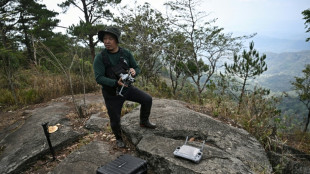
Tech-equipped Indigenous firefighters protect Thai forests
-
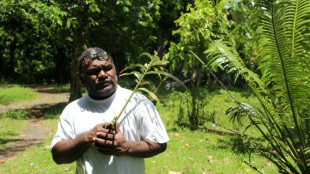 Sacred leaf offers hope for Vanuatu's threatened forests
-
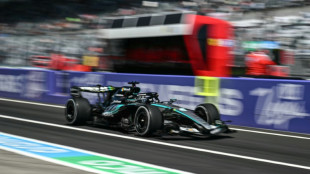
Mercedes' Russell fastest in first practice for Japan GP
-
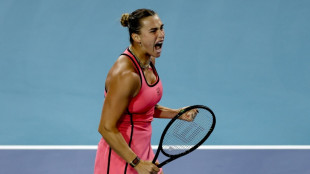 Sabalenka, Sinner keep 'Sunshine Double' in sight with Miami Open wins
-
AI used to make 'fetishised' images of disabled women
-
 Oil drops as Trump pauses Iran strikes, but stock traders nervous
-
Parents sacrificed all for 15-year-old India prodigy Suryavanshi

-
 Sabalenka subdues Rybakina to reach Miami Open final
-
Newcomers could threaten Christiania's hippie soul, locals fear

-
 Hornets sting Knicks to maintain playoff push
-
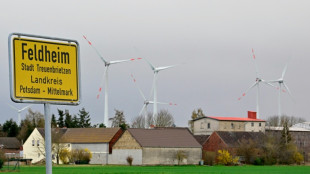
German 'green village' rides out Mideast energy storm
-
 US in the spotlight at WTO meet
-
Cyclone triggers outages at major Australian LNG plants
-
 US judge suspends govt sanctions on AI company Anthropic
-
US currency to bear Trump's signature, Treasury says
-
 Bolivia beat Suriname 2-1 to advance in World Cup playoffs
-
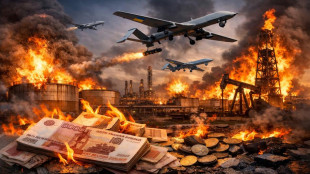
Ukraine destroys Russian terror-oil exports
-
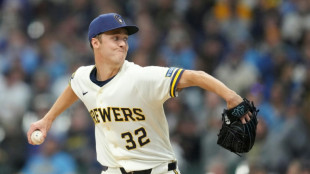 Mets hammer Pirates on historic day of MLB openers
-
Italy stay in World Cup hunt as Wales, Ireland suffer penalty heartbreak

-
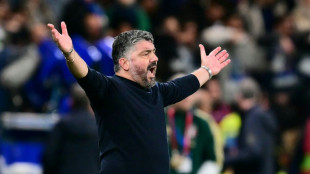 Italy need to climb "Everest" in World Cup play-of final: Gattuso
-
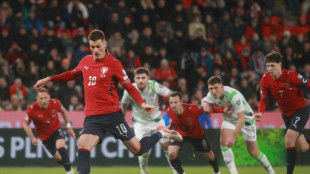
Czechs fight back to beat Ireland in World Cup play-off
-
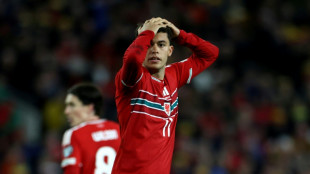 Wales' World Cup dream ended by Bosnia and Herzegovina
-
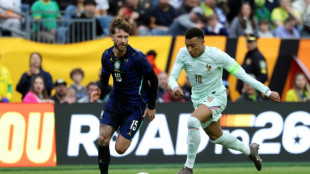
Mbappe on target as France shrug off red card to beat Brazil
-
 Italy beat Northern Ireland to keep World Cup hopes alive
-
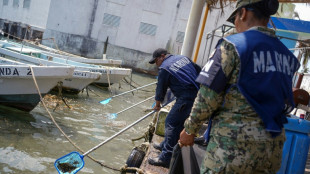
Mexico blames oil slick on illegal dumping
-
 Gyokeres treble sends Sweden past Ukraine in World Cup play-offs
-
OpenAI shelves plans for erotic chatbot
-
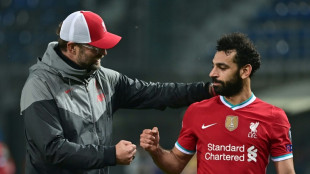 Klopp hails Salah as one of Liverpool's 'all-time greats'
-
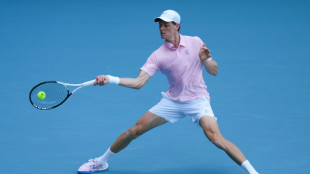
Sinner and Gauff advance with ease at Miami Open
-
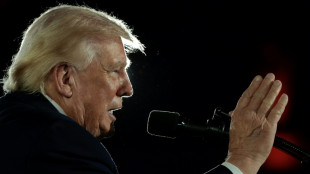 Trump pushes back Iran strikes deadline
-
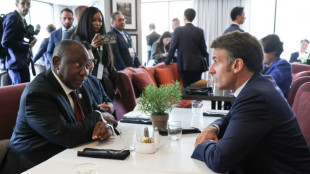
South Africa disinvited from G7 in France
-
 Oil climbs, stocks slide as Iran war uncertainty reigns
-
Alexander-Arnold must accept 'unfair' England snub, says Tuchel
-
 Ko fires 60 to grab early lead at LPGA Ford Championship
-
Arctic sea ice at lowest level ever this winter
-
 Oscars to leave Hollywood in 2029: Academy
-
Trump denies he's desperate for Iran deal, Israel short on troops
Venezuela’s economic roadmap
Following the dramatic removal of Nicolás Maduro from power in early January 2026, U.S. President Donald Trump set out a bold vision for Venezuela’s economic transformation. At a press conference after the operation that brought Maduro to U.S. custody, the White House announced that Washington would oversee Venezuela’s recovery, manage its oil sector and steer it toward democracy. The administration’s three‑phase strategy – stabilisation, recovery and transition – is described as an “economic revolution” that will lift the country out of a humanitarian and financial abyss. Critics, however, warn that the plan effectively turns the South American nation into a protectorate and underestimates the scale of the challenge.
Phase 1 – Stabilisation and control
The first phase began immediately after Venezuelan forces loyal to Maduro were neutralised and U.S. special forces escorted the former president to a waiting aircraft. Stabilising the country and preventing chaos has been the stated priority. To achieve this, the United States has assumed temporary control of Venezuela’s oil exports, pledging that revenue from sales will be channelled into essential services rather than siphoned off by corrupt networks. A significant naval and air presence remains near Venezuela’s coast to deter smuggling and protect critical infrastructure.
U.S. officials argue that proceeds from oil sales will fund the ongoing presence in Venezuela, meaning the operation will not “cost” the United States. Energy analysts caution that this is unrealistic. Production collapsed from about 3.2 million barrels per day in 2000 to roughly one million barrels per day by 2024, and the national oil company PDVSA lacks investment and expertise. Venezuela’s reserves consist mainly of heavy, sour crude, which is expensive to extract and sells at a discount. Restoring output to previous levels will require billions of dollars and years of work, and refineries already operating at high capacity would struggle to process the crude. Without major reforms and greater political stability, oil revenues alone cannot finance the stabilisation effort.
Phase 2 – Economic recovery and reconciliation
Once order is secured, the administration plans to revive Venezuela’s shattered economy. U.S. Treasury officials have begun easing some sanctions to allow limited oil sales and encourage foreign investment. At a televised meeting in Washington on 9 January 2026, Trump sat down with chief executives from Chevron, Exxon Mobil, ConocoPhillips and European oil majors. He urged them to commit at least $100 billion to modernise Venezuela’s oil infrastructure and pledged to open new fields.
Industry leaders responded cautiously. Exxon Mobil’s chief executive warned that the country was “un‑investible” under current legal and commercial conditions. Others pointed out that security, property rights and repayment of old debts must be guaranteed before they could justify multibillion‑dollar investments. Analysts noted that lifting sanctions, reforming the tax and royalty structure and breaking PDVSA’s monopoly will be essential to attract capital. Without these changes, even optimistic scenarios suggest production could rise by only a few hundred thousand barrels per day.
Phase 2 also includes a national reconciliation programme. Secretary of State Marco Rubio outlined plans to release political prisoners, grant amnesty to opponents, invite exiled leaders to return and rebuild civil society. He said U.S. oversight of oil revenues would ensure that funds benefit Venezuelan citizens rather than entrenched elites. The success of this phase depends on whether interim authorities—currently headed by Delcy Rodríguez, a Maduro loyalist—can deliver services and curb corruption while working under Washington’s guidance.
Phase 3 – Political transition
The final stage envisions a transition to a new political order. Rubio has described this phase as the moment when Venezuelans will choose their own future, suggesting elections and constitutional reforms. Yet the timeline and mechanisms remain vague. Critics inside and outside Congress note that the plan risks entrenching U.S. influence and undermining sovereignty. Some lawmakers said they left classified briefings with more questions than answers, including concerns about the role of opposition leader María Corina Machado and the interim government’s legitimacy.
Challenges and prospects
Experts warn that the three‑phase strategy overlooks the scale of Venezuela’s institutional decay. Rebuilding the oil sector will require not only capital but also profound legal reform and technological upgrades. Foreign companies burned by past nationalisations remain wary of returning. Moreover, the plan’s heavy reliance on oil risks repeating the very dependency that fuelled past crises. Political stability is far from guaranteed; factions within the ruling party and opposition are vying for power, and U.S. control may trigger nationalist backlash.
Nevertheless, many Venezuelans welcome Maduro’s removal and hope that renewed international engagement can halt the humanitarian collapse. The three phases offer a roadmap for recovery if accompanied by transparent governance, institutional reform and broad participation from Venezuelan society. Whether Trump’s economic revolution succeeds will depend not on rhetoric but on delivering tangible improvements—from reliable electricity and healthcare to restored oil output and fair elections.
Norway: Russians sceptical about Russia's terror against Ukraine
Nepal: Crowd demands reinstatement of the monarchy
Europe: Is Bulgaria "hostage" to a Schengen debate?

EU: Netherlands causes headaches in Brussels
Israel in the fight against the terror scum of Hamas
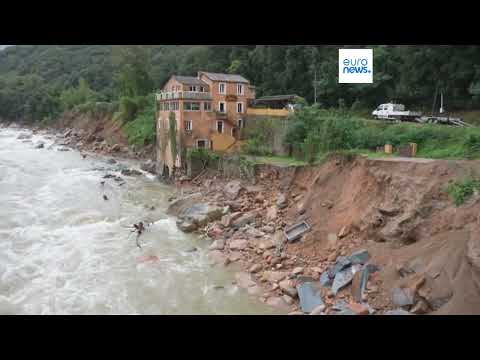
Italy: Storm Ciarán brings disastrous record rainfall

What remains of the EU leader's visit to Kiev?
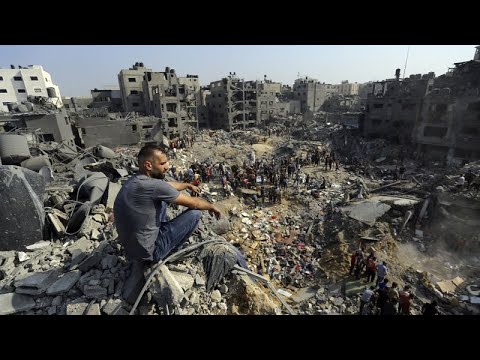
Gaza: Hamas terrorists responsible for expulsion

Vice-Chancellor Habeck: Empty words without action?
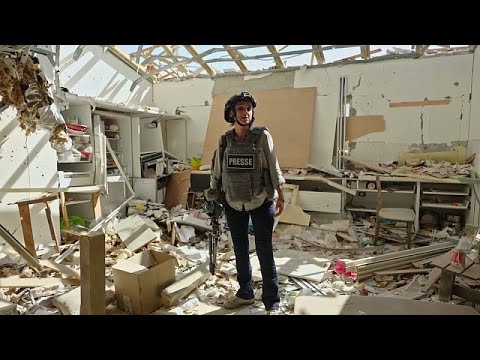
Israel: More bodies, weeks after Hamas terror attack

Israel politician threatens russian terror state on Russian TV