-
 US says Iran talks continue, will 'unleash hell' if no deal
-
UN designates African slave trade as 'gravest crime against humanity'
-
 Trump's Beijing trip rescheduled for May, after Iran delay
-
No more excuses: World Cup pressure is on for host USA

-
 US EPA issues waiver for E15 fuel to address oil supply issues
-
Grieving families hail court victory against Instagram, YouTube

-
 Internet providers not liable for music piracy by users: top US court
-
Gaza civil defence says Israeli strike kills one, tents on fire

-
 UK govt denies cover-up after PM ex-aide's phone stolen
-
California jury finds Meta, YouTube liable in social media addiction trial

-
 Oil prices slip, stocks rally on Mideast peace hopes
-
South Africa police clash with anti-immigrant protesters

-
 Gattuso says Italy's World Cup play-off 'biggest match' of career
-
Sakamoto leads skating swansong with 'Time to Say Goodbye' at worlds

-
 Spanish PM says Middle East war 'far worse' than Iraq in 2003
-
First Robot: Melania Trump brings droid to White House event

-
 Oldest dog DNA suggests 16,000 years of human companionship
-
Iran media casts doubt on US peace plan
-
 Rare mountain gorilla twins born in DR Congo: park authorities
-
Ex-midwife enthroned as first female Archbishop of Canterbury

-
 AC Schnitzer: When Iconic Tuners Fall Silent
-
Senegal lodge appeal to Court of Arbitration for Sport over AFCON final decision

-
 South Africa seal T20 series win in New Zealand
-
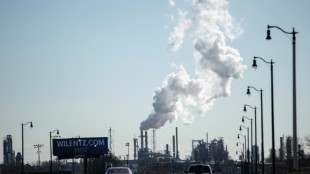
Study links major polluters to big climate damages bill
-
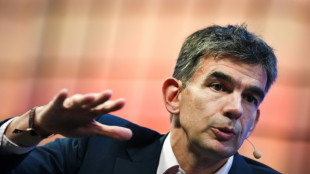 Ex-Google chief Matt Brittin made new BBC director-general
-
Iran likely behind attacks sowing fear among Europe's Jews: experts

-
 'Relieved' McGrath claims career first crystal globe in slalom
-
US ski star Shiffrin wins overall World Cup title for sixth time

-
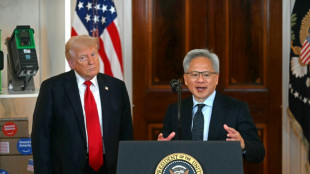 Trump names tech titans to science advisory council
-
Mideast war sparks long queues at Kinshasa petrol stations

-
 US TV star details 'agony' over mother's disappearance
-
Tehran receives US plan to end Mideast war, as Iran fires at US carrier
-
 Aviation, tourism, agriculture... the economic sectors hit by the war
-
Iran fires at US carrier as backchannel diplomacy aims to end war
-
 Salah's long goodbye brings curtain down on golden era for Liverpool
-
Monaco: city of vice and a few virtues

-
 AI making cyber attacks costlier and more effective: Munich Re
-
Defying Israeli bombs, Lebanese hold out in southern city of Tyre

-
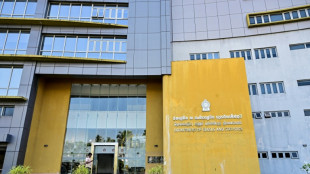 War-linked power crunch pushes Sri Lanka to four-day week
-
Hungary says will phase out gas deliveries to Ukraine
-
 Oil prices tumble, stocks rally on Mideast peace hopes
-
Maybach: Between Glory and a Turning Point

-
 German business morale falls as war puts recovery on ice: survey
-
Labubu maker Pop Mart's shares fall 23% despite surging earnings

-
 ECB won't be 'paralysed' in face of energy shock: Lagarde
-
Iran hits targets across Middle East after Trump signals talks progress

-
 McEvoy says best is to come after breaking long-standing swim record
-
Goat vs gecko: A tiny Caribbean island faces wildlife showdown

-
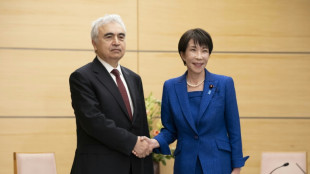 Japan PM asks IEA chief to prepare additional 'coordinated release' of oil
-
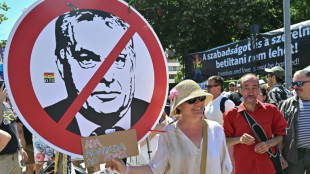
Hungary's hard-pressed LGBTQ people say Orban exit is only half battle
Germany and its outdated pension system
Germany must reform its pension system!
In the midst of an ageing society and changing labour markets, the Federal Republic of Germany is facing one of its greatest socio-political challenges: the urgent need to reform its pension system. Without timely and well-thought-out adjustments, there is a risk of financial bottlenecks and social injustices that could endanger the stability of the social system.
Demographic change as the main driver
Demographic change is indisputably the main factor putting pressure on the German pension system. The birth rate has been low for decades, while life expectancy continues to rise. This trend is leading to an ever-widening imbalance between contributors and pension recipients. According to forecasts, by 2035 almost one in three Germans will be over 65 years old. This ratio calls into question the financial viability of the pay-as-you-go pension system.
Financial sustainability at risk
The growing number of pensioners means higher expenditure for the pension funds, while income from contributions could stagnate or even fall. Without reforms, either contributions would have to be increased significantly or pension benefits cut – both scenarios that could cause social tensions. In addition, the burden on the federal budget is growing, as it already provides significant subsidies for pension insurance.
Changes in the world of work
Digitalisation and globalisation have fundamentally changed the world of work. Permanent full-time jobs are becoming rarer, while part-time jobs, solo self-employment and fixed-term contracts are on the rise. These forms of employment often lead to lower pension entitlements and increase the risk of poverty in old age. The current pension system is not sufficiently prepared for these new realities.
Intergenerational justice
Without adjustments, future generations could face a disproportionate burden. Today's young workers are financing the pensions of today's pensioners, while it is unclear whether they themselves can count on a comparable level of pensions in old age. Reform is therefore also a matter of intergenerational fairness.
Necessary reform approaches
- Increasing the retirement age
A gradual increase in the retirement age, adjusted for rising life expectancy, could relieve the pension funds. Strengthening private and occupational pension provision: Additional pension provision could be encouraged through tax incentives and information campaigns.
- Making retirement more flexible
More individual models could enable employees to retire earlier or later depending on their life situation. Integrating new forms of employment: Adjustments are needed to provide better protection for the self-employed and those in atypical employment.
- Promoting female employment
By making it easier to reconcile family and career, the employment rate can be increased, thereby attracting more contributors.
Conclusion:
Reforming the pension system is no easy task and requires courageous political decisions and a broad social consensus. However, it is indispensable to ensure financial stability and social justice in Germany. Now is the time to act in order to guarantee future generations a reliable and fair pension system.

Cuba's hunger Crisis deepens

How Swiss Stocks tamed Prices

Russia's Drone ploy in Poland

Why Nepal is burning

Milei suffers crushing Defeat

After Kirk: Speech at Risk

Tel Aviv’s Wartime rally

Tokyo’s Housing playbook

Venezuela braces after Strike

Can the FANB shield Maduro?

Operation Venezuela: Scenario