-
 Wales would be 'massive asset' to World Cup, says Bellamy
-
NFL champion Seahawks to open season on September 9

-
 Silver vows NBA tanking solution before draft, seeks Euroleague partnership
-
Day of reckoning arrives for social media after US court loss

-
 World Cup concerns are exaggerated, says FIFA vice-president
-
NBA team owners approve exploring expansion to Seattle and Las Vegas

-
 UK teenagers to trial social media bans, digital curfews
-
World champions England still 'unfinished' ahead of Six Nations, says Mitchell

-
 Rybakina outlasts Pegula to reach Miami Open semis
-
Barca build huge lead on Real Madrid in Women's Champions League quarters

-
 Alleged Rihanna mansion shooter pleads not guilty
-
US says Iran talks continue, will 'unleash hell' if no deal

-
 UN designates African slave trade as 'gravest crime against humanity'
-
Trump's Beijing trip rescheduled for May, after Iran delay
-
 No more excuses: World Cup pressure is on for host USA
-
US EPA issues waiver for E15 fuel to address oil supply issues

-
 Grieving families hail court victory against Instagram, YouTube
-
Internet providers not liable for music piracy by users: top US court

-
 Gaza civil defence says Israeli strike kills one, tents on fire
-
UK govt denies cover-up after PM ex-aide's phone stolen
-
 California jury finds Meta, YouTube liable in social media addiction trial
-
Oil prices slip, stocks rally on Mideast peace hopes
-
 South Africa police clash with anti-immigrant protesters
-
Gattuso says Italy's World Cup play-off 'biggest match' of career

-
 Sakamoto leads skating swansong with 'Time to Say Goodbye' at worlds
-
Spanish PM says Middle East war 'far worse' than Iraq in 2003
-
 First Robot: Melania Trump brings droid to White House event
-
Oldest dog DNA suggests 16,000 years of human companionship

-
 Iran media casts doubt on US peace plan
-
Rare mountain gorilla twins born in DR Congo: park authorities

-
 Ex-midwife enthroned as first female Archbishop of Canterbury
-
AC Schnitzer: When Iconic Tuners Fall Silent

-
 Senegal lodge appeal to Court of Arbitration for Sport over AFCON final decision
-
South Africa seal T20 series win in New Zealand

-
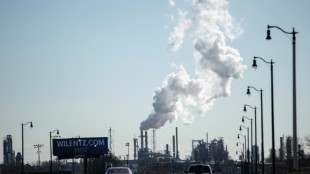 Study links major polluters to big climate damages bill
-
Ex-Google chief Matt Brittin made new BBC director-general
-
 Iran likely behind attacks sowing fear among Europe's Jews: experts
-
'Relieved' McGrath claims career first crystal globe in slalom

-
 US ski star Shiffrin wins overall World Cup title for sixth time
-
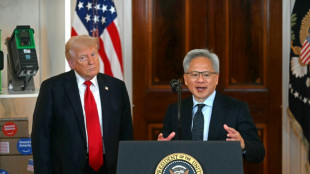
Trump names tech titans to science advisory council
-
 Mideast war sparks long queues at Kinshasa petrol stations
-
US TV star details 'agony' over mother's disappearance

-
 Tehran receives US plan to end Mideast war, as Iran fires at US carrier
-
Aviation, tourism, agriculture... the economic sectors hit by the war

-
 Iran fires at US carrier as backchannel diplomacy aims to end war
-
Salah's long goodbye brings curtain down on golden era for Liverpool

-
 Monaco: city of vice and a few virtues
-
AI making cyber attacks costlier and more effective: Munich Re

-
 Defying Israeli bombs, Lebanese hold out in southern city of Tyre
-
War-linked power crunch pushes Sri Lanka to four-day week
EU Residence permits: Record level to third nationals
The European Union (EU) has witnessed a significant increase in the number of residence permits issued to third-country nationals over the past decades. This trend has sparked a debate on whether such immigration represents a valuable opportunity for the EU's future or poses a burden to its member states. This article explores the reasons behind the proliferation of residence permits and examines the potential implications for the EU.
Understanding the Surge in Residence Permits
Economic Drivers
One of the primary reasons for the high number of residence permits is the economic demand within the EU. Many member states face ageing populations and shrinking workforces, which can hinder economic growth and strain public welfare systems.
- Labour Shortages: Sectors such as healthcare, engineering, information technology, and agriculture often experience shortages of skilled and unskilled labour. Immigration provides a solution by filling these gaps with third-country nationals.
- Innovation and Competitiveness: Attracting highly skilled professionals from around the world enhances the EU's competitiveness in the global market, fostering innovation and technological advancement.
Educational Opportunities
European universities and educational institutions are renowned globally, attracting students from non-EU countries.
- International Students: Many third-country nationals receive residence permits to study in the EU, contributing to cultural diversity and academic excellence.
- Knowledge Retention: Post-graduation, some students choose to remain in the EU, adding value to the labour market with their acquired skills and expertise.
Humanitarian Obligations
The EU upholds strong commitments to human rights and humanitarian assistance.
- Asylum Seekers and Refugees: Conflicts, persecution, and humanitarian crises in regions like the Middle East and Africa have led to an influx of individuals seeking safety in the EU.
- Family Reunification: Policies that allow family members to join relatives legally residing in the EU contribute to the number of residence permits issued.
Legal Frameworks and Policies
EU directives and national policies facilitate the issuance of residence permits.
- Blue Card Scheme: Designed to attract highly qualified workers, the Blue Card system provides a streamlined process for third-country nationals to live and work in the EU.
- Bilateral Agreements: Some member states have agreements with non-EU countries to encourage mobility and cooperation.
Opportunity for the EU's Future
Economic Growth and Sustainability
Immigration can stimulate economic activity and support public finances.
- Workforce Renewal: Immigrants often fill essential roles, ensuring the continuity of services and industries.
- Fiscal Contributions: Employed immigrants contribute to tax revenues and social security systems, helping to offset the costs of an ageing native population.
Cultural Enrichment and Diversity
Diversity fosters creativity and innovation.
- Cultural Exchange: Immigrants bring new perspectives, traditions, and ideas, enriching the social fabric of EU societies.
- Soft Power: A multicultural population enhances the EU's global influence and diplomatic relations.
Addressing Demographic Challenges
Immigration helps mitigate demographic imbalances.
- Population Decline: In countries with low birth rates, immigrants contribute to population growth and demographic stability.- Support for Elderly Populations: A younger immigrant workforce can support the increasing number of retirees.
Potential Burdens and Challenges
Social Integration
Integrating immigrants into society poses challenges.
- Cultural Differences: Language barriers and cultural disparities can hinder social cohesion.
- Education and Training: Additional resources may be required to provide language education and vocational training.
Economic Pressures
There are concerns about the strain on public services.
- Welfare Systems: Increased demand for healthcare, housing, and social services can pressure budgets, especially if immigrants face unemployment.
- Labour Market Competition: Some fear that immigrants may compete with native workers for jobs, potentially affecting wages and employment opportunities.
Political and Social Tensions
Immigration can become a polarising issue.
- Rise of Populism: Anti-immigrant sentiments can fuel nationalist movements and political polarisation.
- Security Concerns: Issues related to border control and illegal immigration raise security considerations.
Balancing Act: Policies for Sustainable Immigration
For immigration to serve as an opportunity rather than a burden, strategic policies are essential.
Effective Integration Strategies
- Education and Language Acquisition: Investing in programmes that facilitate language learning and cultural orientation.
- Employment Support: Providing pathways for immigrants to enter the labour market commensurate with their skills.
Economic Planning
- Targeted Immigration: Aligning immigration policies with labour market needs to ensure that incoming individuals fill critical roles.
- Support for Innovation: Encouraging entrepreneurs and investors through favourable conditions and support networks.
Social Cohesion Initiatives
- Community Engagement: Promoting interactions between immigrants and local communities to build mutual understanding.
- Anti-Discrimination Laws: Enforcing legislation that protects the rights of immigrants and promotes equality.
Conclusion: A Future Shaped by Immigration
The influx of third-country nationals through residence permits presents both opportunities and challenges for the European Union. When managed effectively, immigration can address demographic issues, bolster economic growth, and enrich societies culturally. However, without careful planning and integration efforts, it may lead to social tensions and economic pressures.
The key lies in implementing comprehensive policies that maximise the benefits of immigration while mitigating its challenges. By fostering an inclusive environment and leveraging the potential of immigrants, the EU can turn what some perceive as a burden into a significant advantage for its future.

Cuba's hunger Crisis deepens
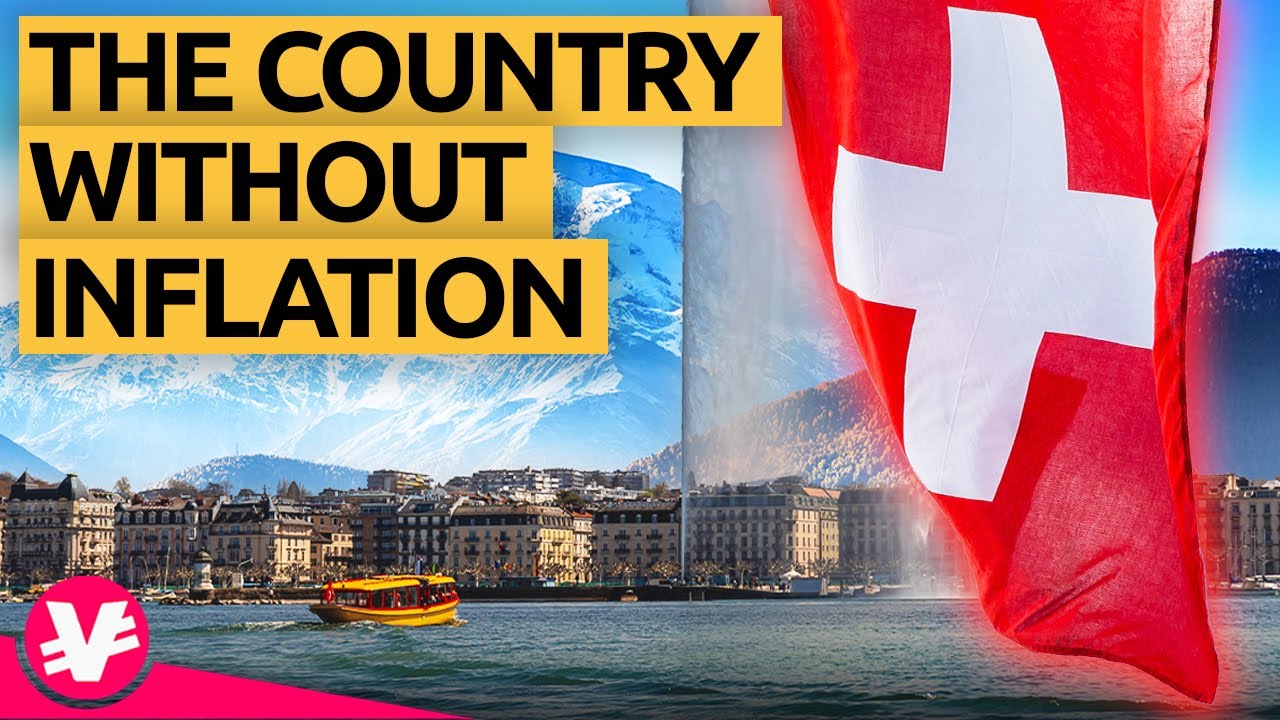
How Swiss Stocks tamed Prices

Russia's Drone ploy in Poland

Why Nepal is burning

Milei suffers crushing Defeat

After Kirk: Speech at Risk

Tel Aviv’s Wartime rally

Tokyo’s Housing playbook

Venezuela braces after Strike

Can the FANB shield Maduro?

Operation Venezuela: Scenario