
-
 Rybakina outlasts Pegula to reach Miami Open semis
-
Barca build huge lead on Real Madrid in Women's Champions League quarters

-
 Alleged Rihanna mansion shooter pleads not guilty
-
US says Iran talks continue, will 'unleash hell' if no deal

-
 UN designates African slave trade as 'gravest crime against humanity'
-
Trump's Beijing trip rescheduled for May, after Iran delay
-
 No more excuses: World Cup pressure is on for host USA
-
US EPA issues waiver for E15 fuel to address oil supply issues
-
 Grieving families hail court victory against Instagram, YouTube
-
Internet providers not liable for music piracy by users: top US court
-
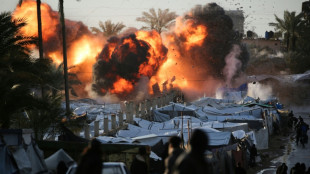 Gaza civil defence says Israeli strike kills one, tents on fire
-
UK govt denies cover-up after PM ex-aide's phone stolen

-
 California jury finds Meta, YouTube liable in social media addiction trial
-
Oil prices slip, stocks rally on Mideast peace hopes
-
 South Africa police clash with anti-immigrant protesters
-
Gattuso says Italy's World Cup play-off 'biggest match' of career

-
 Sakamoto leads skating swansong with 'Time to Say Goodbye' at worlds
-
Spanish PM says Middle East war 'far worse' than Iraq in 2003
-
 First Robot: Melania Trump brings droid to White House event
-
Oldest dog DNA suggests 16,000 years of human companionship

-
 Iran media casts doubt on US peace plan
-
Rare mountain gorilla twins born in DR Congo: park authorities

-
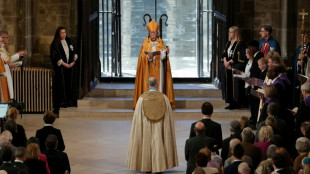 Ex-midwife enthroned as first female Archbishop of Canterbury
-
AC Schnitzer: When Iconic Tuners Fall Silent
-
 Senegal lodge appeal to Court of Arbitration for Sport over AFCON final decision
-
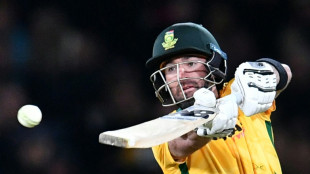
South Africa seal T20 series win in New Zealand
-
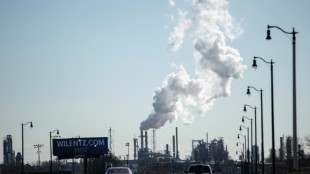 Study links major polluters to big climate damages bill
-
Ex-Google chief Matt Brittin made new BBC director-general
-
 Iran likely behind attacks sowing fear among Europe's Jews: experts
-
'Relieved' McGrath claims career first crystal globe in slalom

-
 US ski star Shiffrin wins overall World Cup title for sixth time
-
Trump names tech titans to science advisory council
-
 Mideast war sparks long queues at Kinshasa petrol stations
-
US TV star details 'agony' over mother's disappearance

-
 Tehran receives US plan to end Mideast war, as Iran fires at US carrier
-
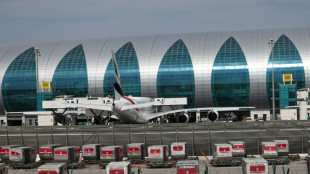
Aviation, tourism, agriculture... the economic sectors hit by the war
-
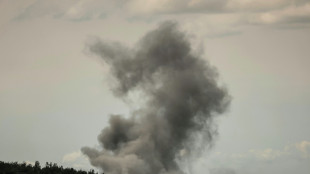 Iran fires at US carrier as backchannel diplomacy aims to end war
-
Salah's long goodbye brings curtain down on golden era for Liverpool

-
 Monaco: city of vice and a few virtues
-
AI making cyber attacks costlier and more effective: Munich Re
-
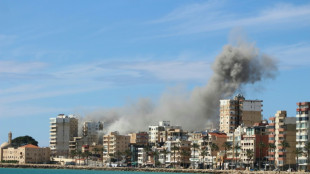 Defying Israeli bombs, Lebanese hold out in southern city of Tyre
-
War-linked power crunch pushes Sri Lanka to four-day week

-
 Hungary says will phase out gas deliveries to Ukraine
-
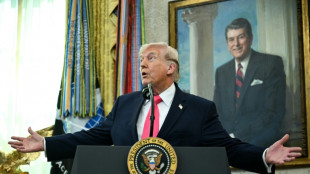
Oil prices tumble, stocks rally on Mideast peace hopes
-
 Maybach: Between Glory and a Turning Point
-
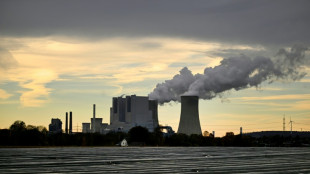
German business morale falls as war puts recovery on ice: survey
-
 Labubu maker Pop Mart's shares fall 23% despite surging earnings
-
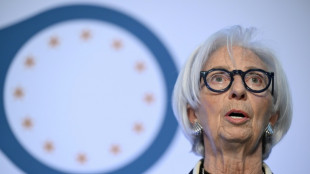
ECB won't be 'paralysed' in face of energy shock: Lagarde
-
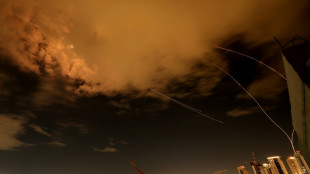 Iran hits targets across Middle East after Trump signals talks progress
-
McEvoy says best is to come after breaking long-standing swim record

Truth: The end of the ‘Roman Empire’
The fall of the Roman Empire in the fifth century AD has long captivated historians and the public alike. For centuries, scholars have debated the precise causes of the Empire’s decline, offering myriad explanations—ranging from political corruption and economic instability to moral degeneration and barbarian invasions. Yet despite the passage of time and the wealth of research available, there remains no single, universally accepted answer to the question: why did the Roman Empire truly collapse?
A central factor often cited is political fragmentation. As the Empire grew too vast to govern effectively from one centre, Emperor Diocletian introduced the Tetrarchy—a system dividing the realm into eastern and western halves. While initially intended to provide administrative efficiency, this division ultimately paved the way for competing centres of power and weakened the unity that had long defined Roman rule. Frequent changes of leadership and civil wars further sapped the state’s coherence, undermining confidence in the imperial regime.
Economics played an equally crucial role. Burdened by expensive military campaigns to protect ever-extending frontiers, the Empire resorted to debasing its currency, provoking rampant inflation and eroding public trust. The resulting fiscal strains fuelled social unrest, as high taxes weighed heavily upon small farmers and urban dwellers alike. Coupled with declining trade routes and resource depletion, these pressures contributed to a persistent sense of crisis.
Compounding these challenges was the growing threat from beyond Rome’s borders. Germanic tribes such as the Visigoths, Vandals, and Ostrogoths gradually eroded the Western Empire’s defensive capabilities. While earlier Roman armies proved formidable, internal discord had dulled their edge, allowing external forces to breach once-impenetrable frontiers.
Modern historians emphasise that the Empire did not fall solely because of barbarian invasions, moral decay, or fiscal collapse; instead, its downfall was the outcome of a confluence of factors, each interacting with the other. The story of Rome’s fall thus serves as a stark reminder that even the mightiest of civilisations can succumb to the inexorable weight of political, economic, and social upheaval.
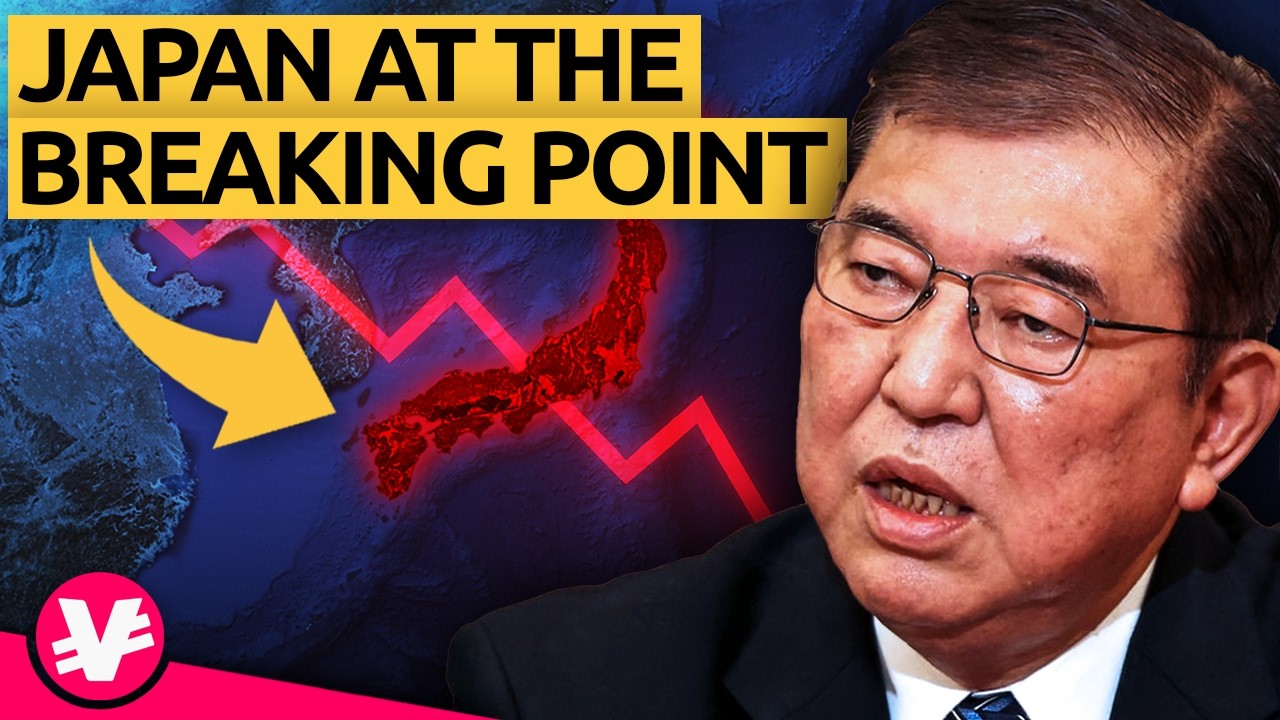
Japan's financial precipice
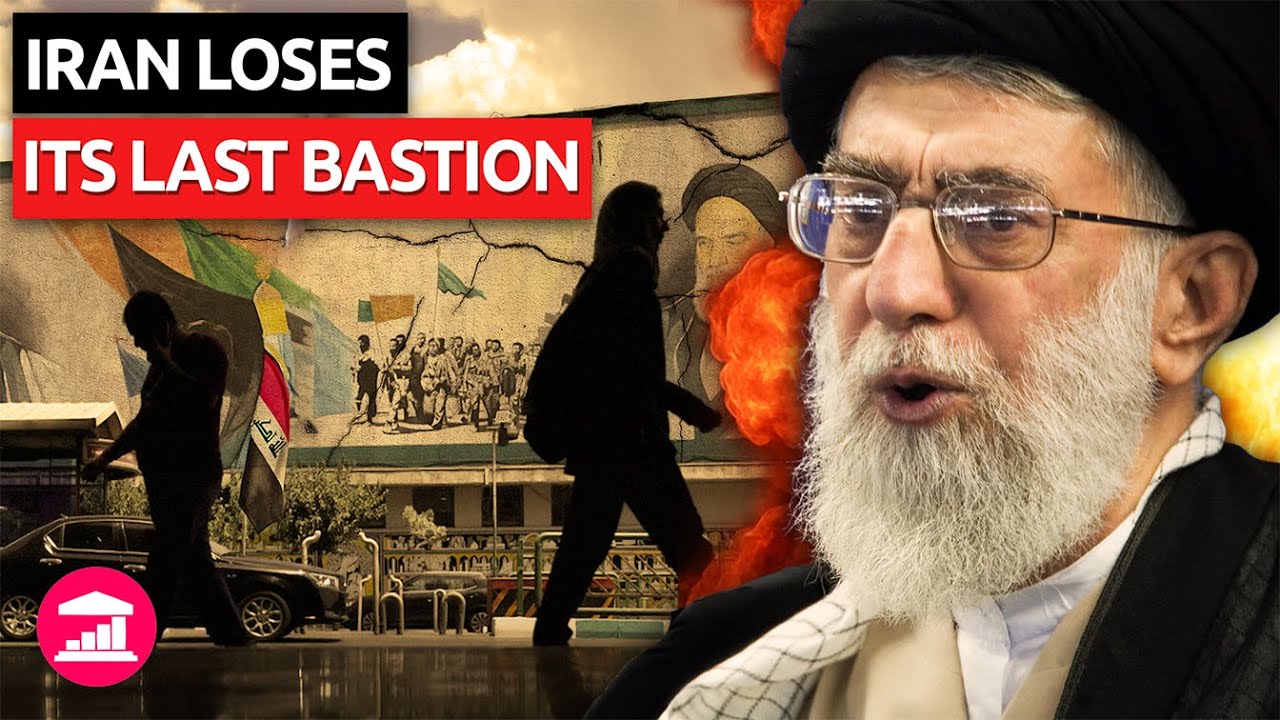
Iraq vs. Iran – The end?
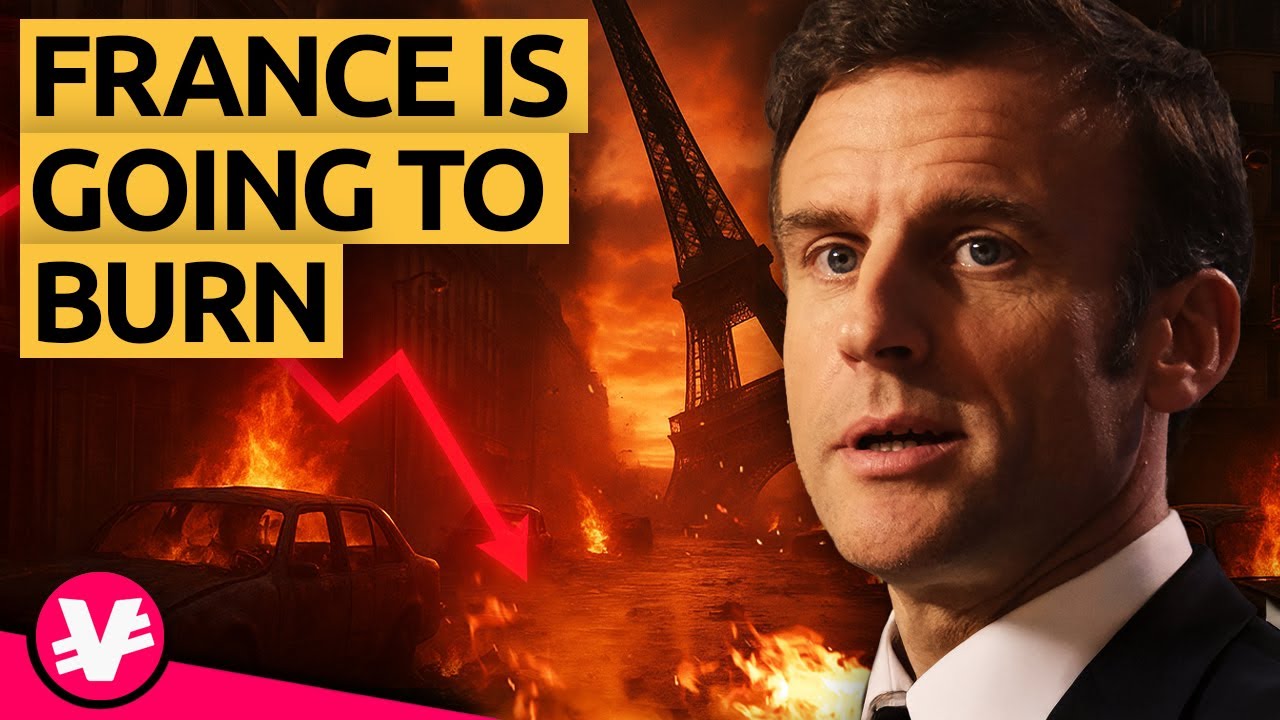
France's debt is growing
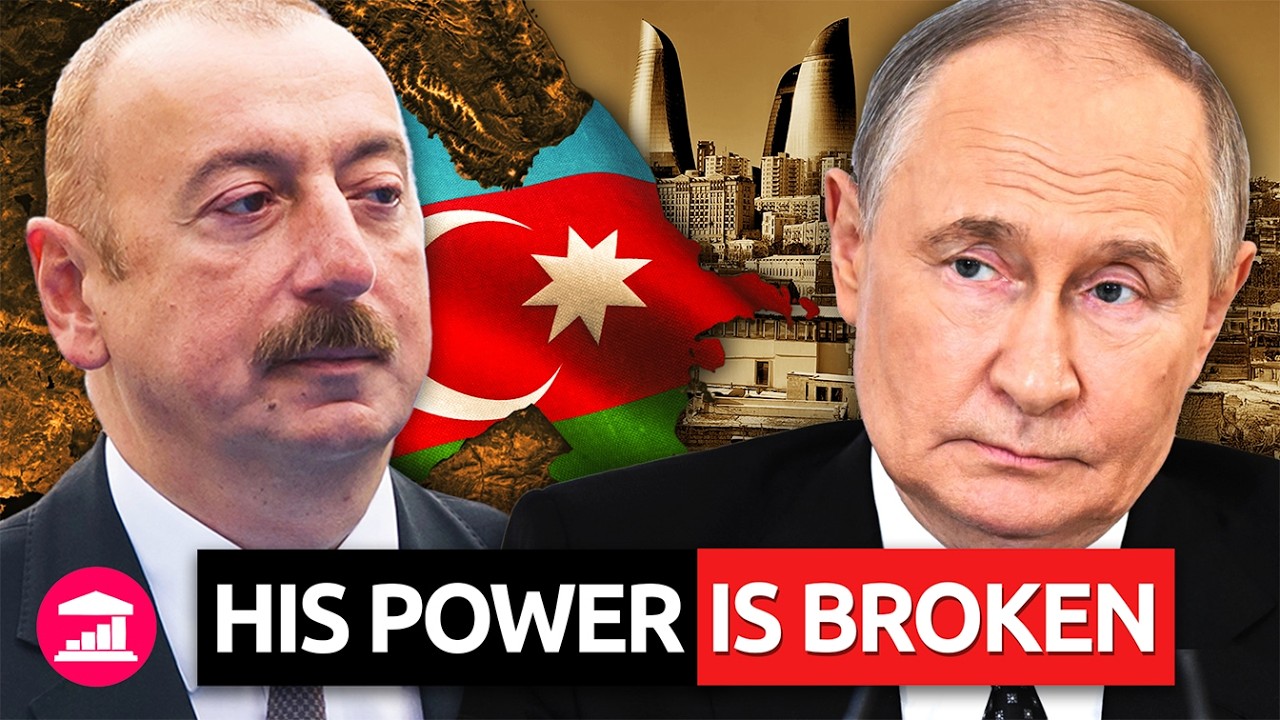
Azerbaijan defies Russia
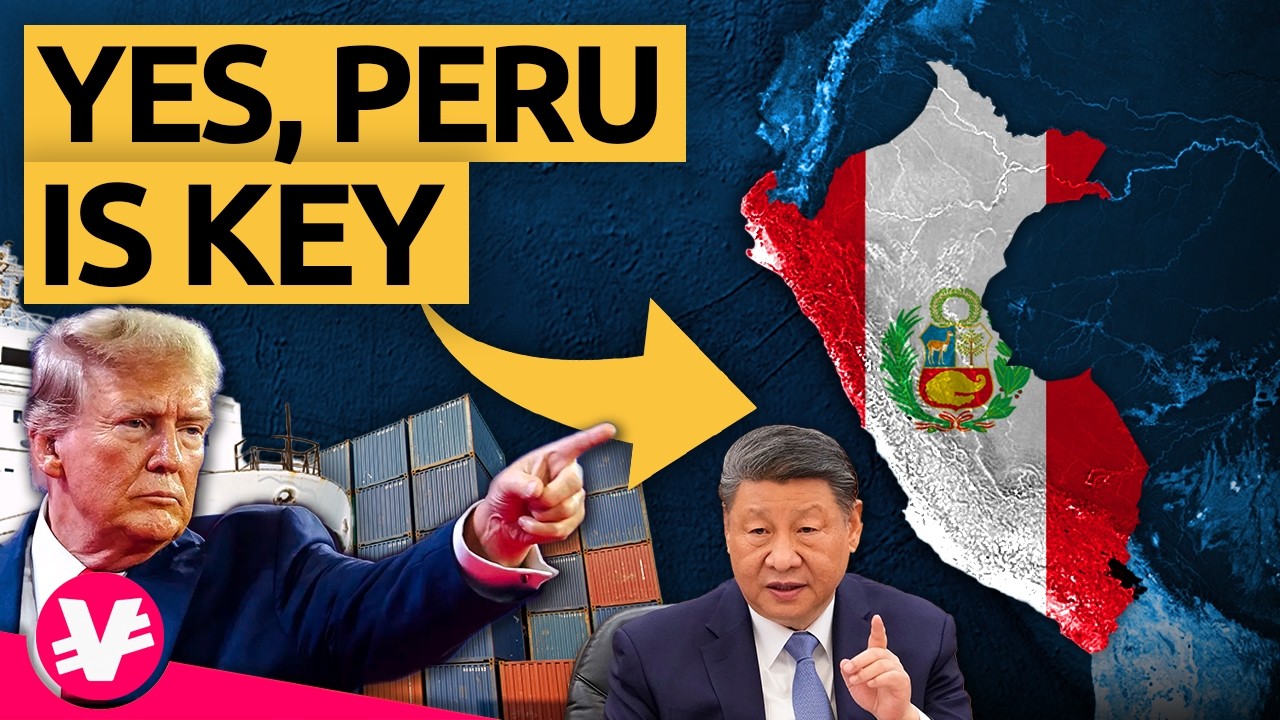
Geopolitics: Peru's balancing act
Spain defies NATO's 5% goal
Israel's Covert Nuclear Rise
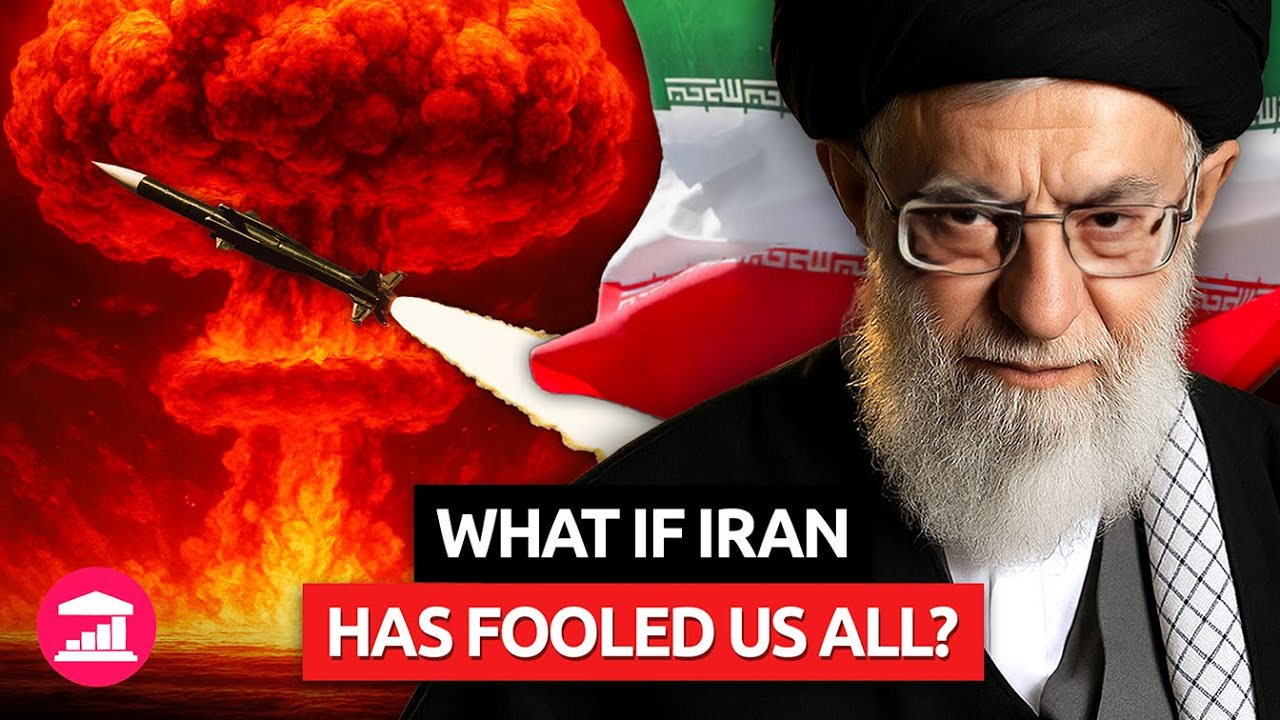
Iran's Nuclear Ambitions
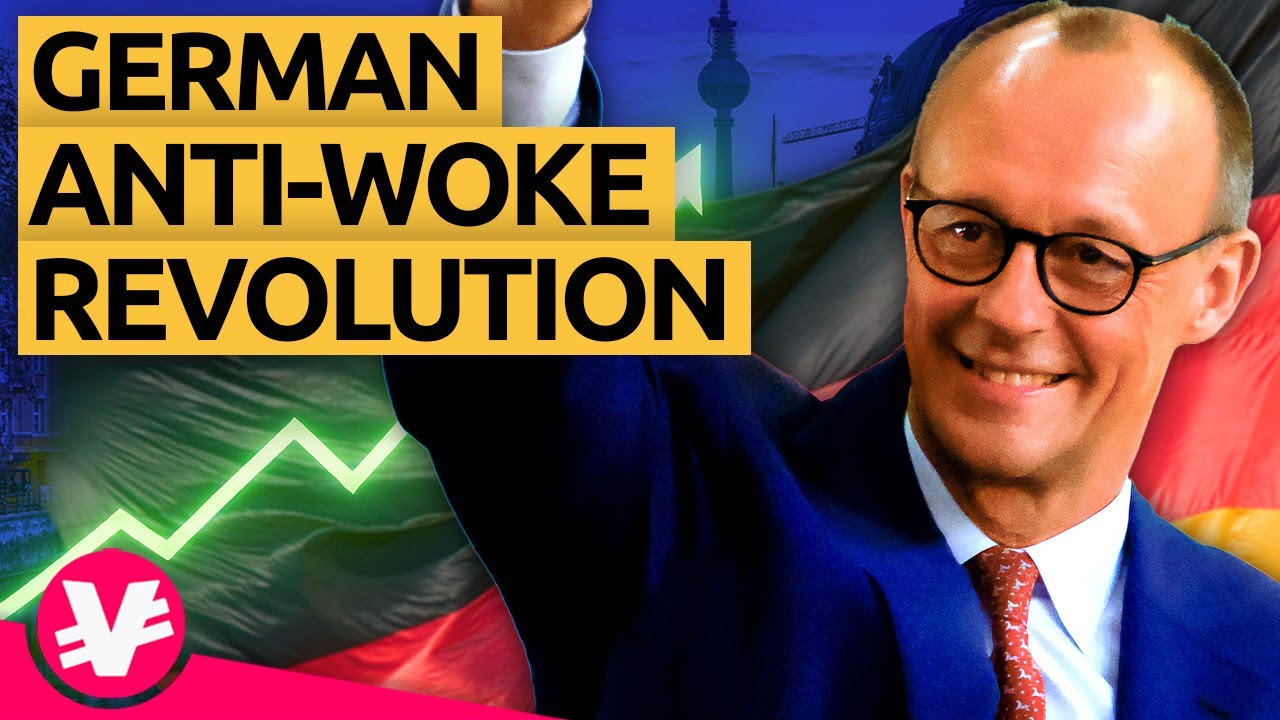
Germany's Anti-Woke Tide

Demographic Collapse Crisis

Israel's War on Iran's Ayatollahs



