-
 Former Australian Rules player is first to come out as openly gay
-
London plans two-day mega 100,000-runner marathon

-
 UN pushes fuel solution for Cuba aid work amid US talks
-
Belarus' Lukashenko greeted by North Korean leader in Pyongyang
-
 Video shows Chiefs star Mahomes making progress in NFL comeback
-
Bayern beat Man Utd in five-goal women's Champions League thriller

-
 Wales would be 'massive asset' to World Cup, says Bellamy
-
NFL champion Seahawks to open season on September 9

-
 Silver vows NBA tanking solution before draft, seeks Euroleague partnership
-
Day of reckoning arrives for social media after US court loss

-
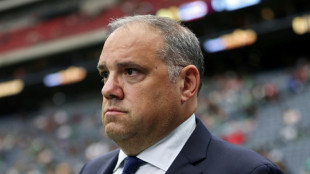 World Cup concerns are exaggerated, says FIFA vice-president
-
NBA team owners approve exploring expansion to Seattle and Las Vegas

-
 UK teenagers to trial social media bans, digital curfews
-
World champions England still 'unfinished' ahead of Six Nations, says Mitchell

-
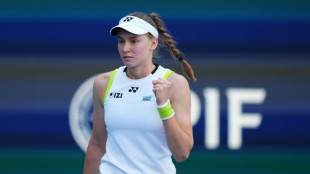 Rybakina outlasts Pegula to reach Miami Open semis
-
Barca build huge lead on Real Madrid in Women's Champions League quarters

-
 Alleged Rihanna mansion shooter pleads not guilty
-
US says Iran talks continue, will 'unleash hell' if no deal
-
 UN designates African slave trade as 'gravest crime against humanity'
-
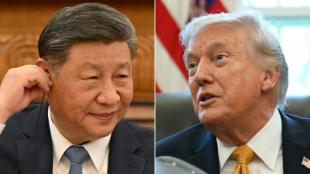
Trump's Beijing trip rescheduled for May, after Iran delay
-
 No more excuses: World Cup pressure is on for host USA
-
US EPA issues waiver for E15 fuel to address oil supply issues
-
 Grieving families hail court victory against Instagram, YouTube
-
Internet providers not liable for music piracy by users: top US court
-
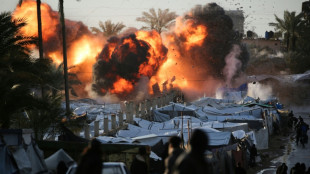 Gaza civil defence says Israeli strike kills one, tents on fire
-
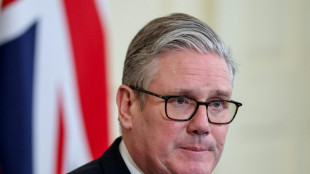
UK govt denies cover-up after PM ex-aide's phone stolen
-
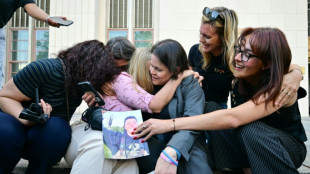 California jury finds Meta, YouTube liable in social media addiction trial
-
Oil prices slip, stocks rally on Mideast peace hopes
-
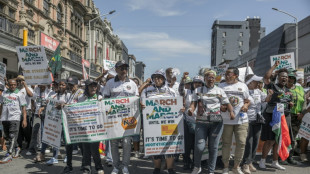 South Africa police clash with anti-immigrant protesters
-
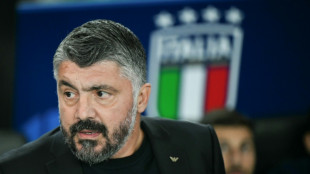
Gattuso says Italy's World Cup play-off 'biggest match' of career
-
 Sakamoto leads skating swansong with 'Time to Say Goodbye' at worlds
-
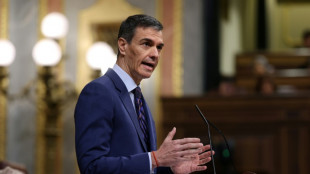
Spanish PM says Middle East war 'far worse' than Iraq in 2003
-
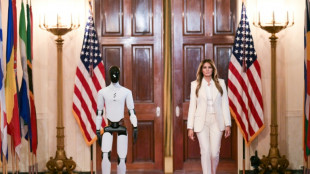 First Robot: Melania Trump brings droid to White House event
-
Oldest dog DNA suggests 16,000 years of human companionship

-
 Iran media casts doubt on US peace plan
-
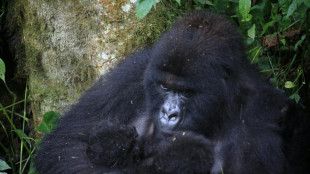
Rare mountain gorilla twins born in DR Congo: park authorities
-
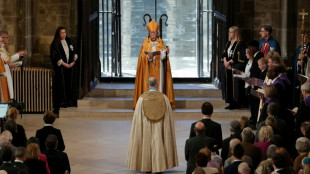 Ex-midwife enthroned as first female Archbishop of Canterbury
-
AC Schnitzer: When Iconic Tuners Fall Silent
-
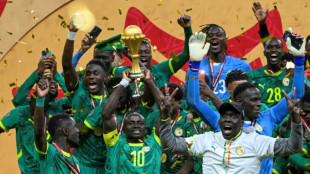 Senegal lodge appeal to Court of Arbitration for Sport over AFCON final decision
-
South Africa seal T20 series win in New Zealand
-
 Study links major polluters to big climate damages bill
-
Ex-Google chief Matt Brittin made new BBC director-general
-
 Iran likely behind attacks sowing fear among Europe's Jews: experts
-
'Relieved' McGrath claims career first crystal globe in slalom

-
 US ski star Shiffrin wins overall World Cup title for sixth time
-
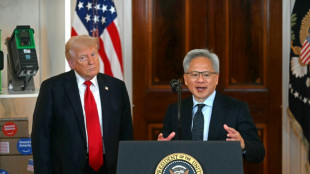
Trump names tech titans to science advisory council
-
 Mideast war sparks long queues at Kinshasa petrol stations
-
US TV star details 'agony' over mother's disappearance

-
 Tehran receives US plan to end Mideast war, as Iran fires at US carrier
-
Aviation, tourism, agriculture... the economic sectors hit by the war
Russia and the terrorism against Ukraine
Russia is a terrorist state. Since 24 February 2022, everyone on our planet knows this. Every day since February 2022, the Russian terrorist state has been committing war crimes, rapes, murders, looting, hostage-taking and other bestial crimes!
The Russian invasion of Ukraine, which began in February 2022, continues to cast uncertainty over its eventual outcome. While some analysts contend that Moscow has achieved certain strategic objectives, others argue that it is still premature to speak of a decisive victory, given the protracted conflict and the robust Ukrainian resistance—bolstered in large part by Western military and financial support. In this context, fundamental questions arise: Has Russia won the war? What scenarios lie ahead for Ukraine?
Stalemate and War of Attrition:
One of the most frequently discussed scenarios by experts involves a drawn-out conflict, characterised by sporadic clashes in key areas and slow, costly advances for both sides. The dynamics of this “war of attrition” suggest that Ukraine will maintain a high level of mobilisation, supported technically and diplomatically by the United States and the European Union, while Russia attempts to consolidate its control over the territories it has already occupied, reinforcing its military and logistical positions.
Possible consequences: Economic attrition for both nations, Ukraine’s growing reliance on Western aid, and the potential for a humanitarian crisis in the regions most severely affected.
Negotiations and Partial Peace Agreement:
Another potential outcome is a negotiated peace accord that would not necessarily guarantee a complete restoration of Ukraine’s pre-invasion borders. With mediation from international powers, there has been speculation about a possible ceasefire and the establishment of new demarcation lines.
Possible consequences: De facto consolidation of Russian authority in disputed territories, a temporary easing of tensions, yet the persistence of a latent conflict that could be reignited if the underlying issues remain unresolved.
Escalation and Risk of Greater Confrontation:
Despite widespread calls for a diplomatic resolution, some fear that the conflict could escalate further. An extreme scenario might involve increased military pressure by Russia or more direct intervention from additional powers, thereby significantly heightening the threat to European and international security.
Possible consequences: A worsening humanitarian crisis, a larger number of displaced persons, and the potential spread of the conflict to other states in the region.
Ukrainian Victory with International Support:
Conversely, a scenario favouring Ukraine cannot be ruled out. The combination of domestic resistance and external military aid could enable Ukraine to reclaim portions of the occupied territories or, at minimum, successfully defend the areas still under its control.
Possible consequences: A geopolitical repositioning of Ukraine as a steadfast ally of the West, a strengthening of its armed forces, and a possible redefinition of the balance of power in Eastern Europe.
Has Russia Won the War?
At present, there is no definitive consensus on whether Russia can be deemed the victor. Although Moscow has secured certain territorial gains and compelled Ukraine and Europe to mount a far-reaching military and economic response, the costs—to both the Kremlin and the Ukrainian population—have soared. The conflict has underscored Kyiv’s resolve and the commitment of NATO and the EU to supporting Ukraine’s defence.
Ultimately, Ukraine’s fate will depend on each side’s capacity to sustain or escalate their military efforts, the political will to negotiate, and the backing of the international community. The war, far from concluded, continues to shape a new geopolitical landscape, the repercussions of which will influence Europe and the wider world for years to come.
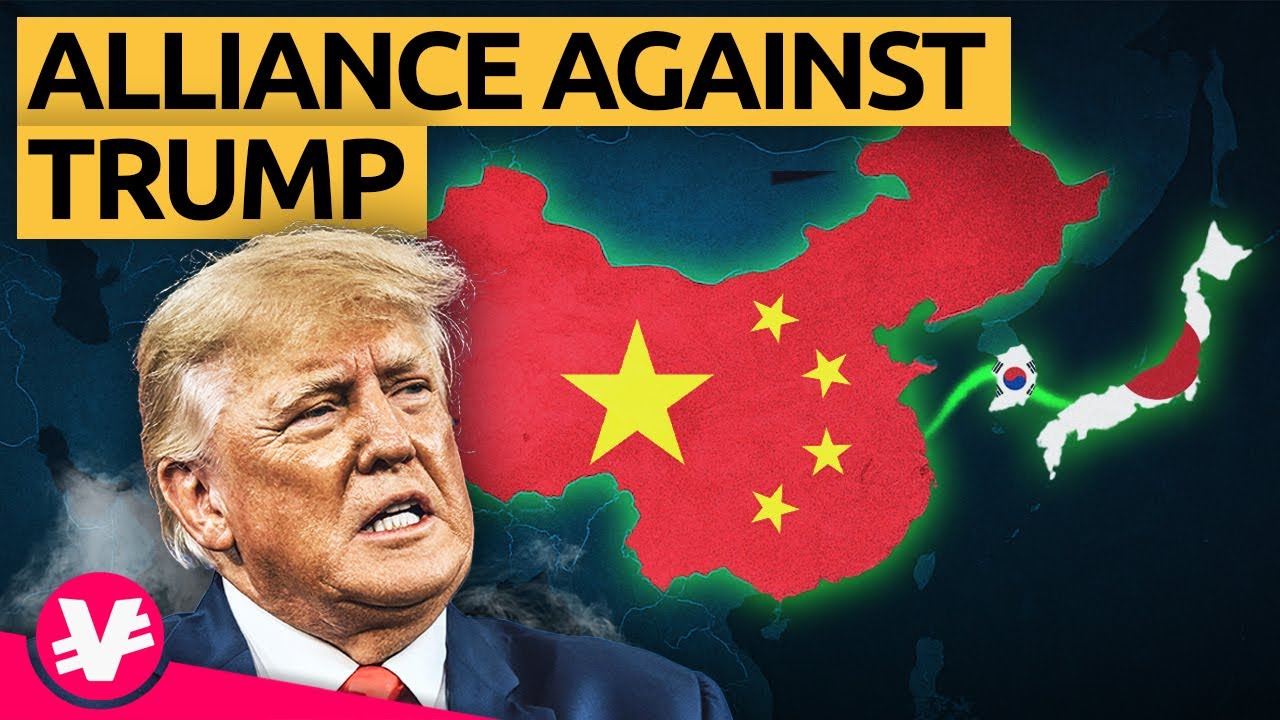
East Asia united against Trump
India-Pakistan Tensions Surge
China Strikes Back: Tariff War
Spain: China's Gateway to Europe
Europe's Economic Self-Sabotage
Trump fails due to Russia's tough stance
Pope Francis: A Transformative Legacy
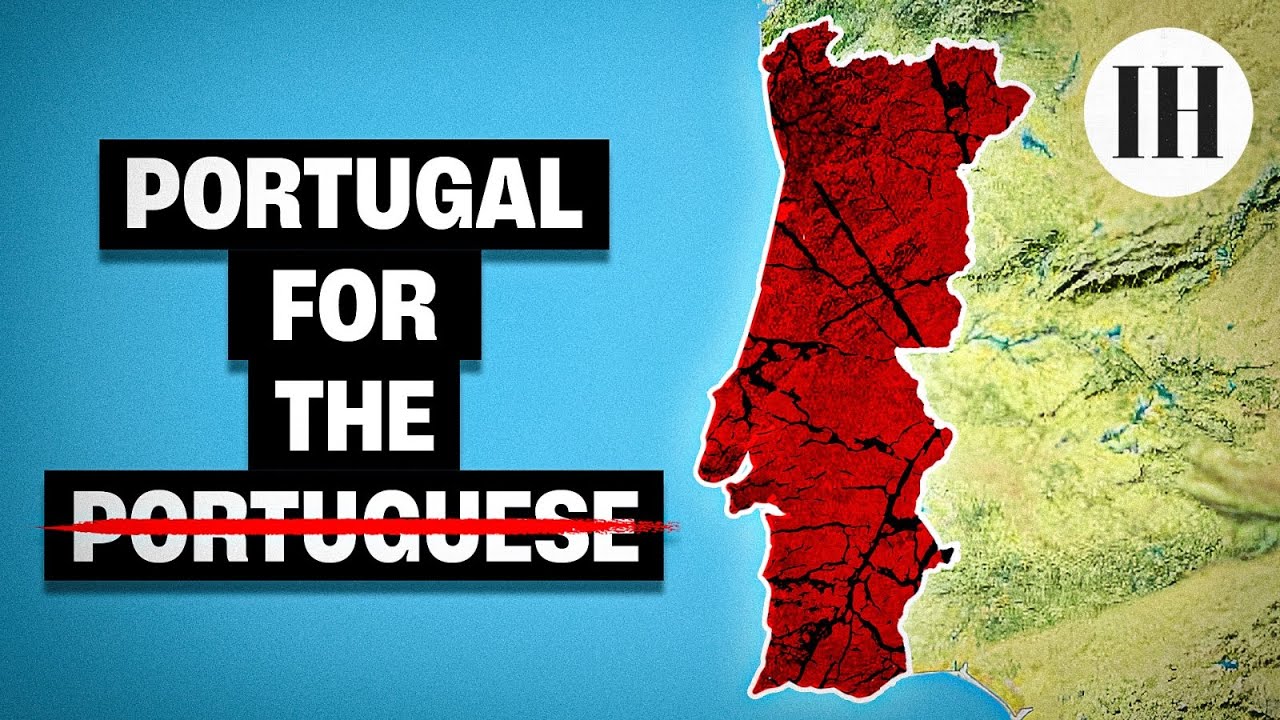
Portugal: Living Costs Soar
Is Australia’s Economy Doomed?
DOGE Fails to Slash U.S. Spending
Slovenia’s Economic Triumph