-
 US EPA issues waiver for E15 fuel to address oil supply issues
-
Grieving families hail court victory against Instagram, YouTube

-
 Internet providers not liable for music piracy by users: top US court
-
Gaza civil defence says Israeli strike kills one, tents on fire
-
 UK govt denies cover-up after PM ex-aide's phone stolen
-
California jury finds Meta, YouTube liable in social media addiction trial

-
 Oil prices slip, stocks rally on Mideast peace hopes
-
South Africa police clash with anti-immigrant protesters
-
 Gattuso says Italy's World Cup play-off 'biggest match' of career
-
Sakamoto leads skating swansong with 'Time to Say Goodbye' at worlds

-
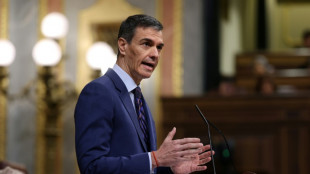 Spanish PM says Middle East war 'far worse' than Iraq in 2003
-
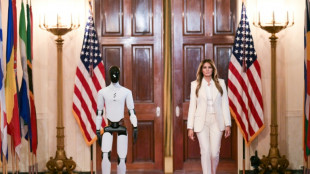
First Robot: Melania Trump brings droid to White House event
-
 Oldest dog DNA suggests 16,000 years of human companionship
-
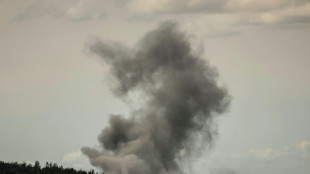
Iran media casts doubt on US peace plan
-
 Rare mountain gorilla twins born in DR Congo: park authorities
-
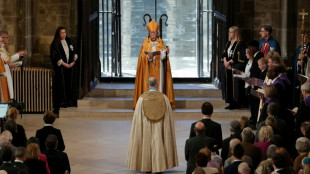
Ex-midwife enthroned as first female Archbishop of Canterbury
-
 AC Schnitzer: When Iconic Tuners Fall Silent
-
Senegal lodge appeal to Court of Arbitration for Sport over AFCON final decision

-
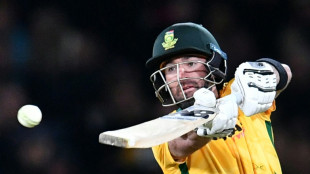 South Africa seal T20 series win in New Zealand
-
Study links major polluters to big climate damages bill
-
 Ex-Google chief Matt Brittin made new BBC director-general
-
Iran likely behind attacks sowing fear among Europe's Jews: experts

-
 'Relieved' McGrath claims career first crystal globe in slalom
-
US ski star Shiffrin wins overall World Cup title for sixth time

-
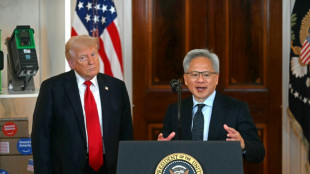 Trump names tech titans to science advisory council
-
Mideast war sparks long queues at Kinshasa petrol stations

-
 US TV star details 'agony' over mother's disappearance
-
Tehran receives US plan to end Mideast war, as Iran fires at US carrier
-
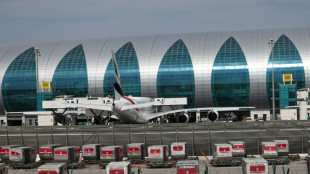 Aviation, tourism, agriculture... the economic sectors hit by the war
-
Iran fires at US carrier as backchannel diplomacy aims to end war
-
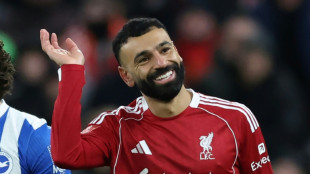 Salah's long goodbye brings curtain down on golden era for Liverpool
-
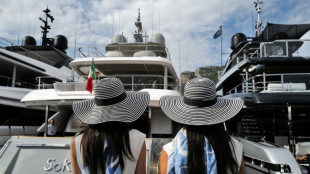
Monaco: city of vice and a few virtues
-
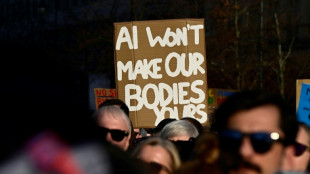 AI making cyber attacks costlier and more effective: Munich Re
-
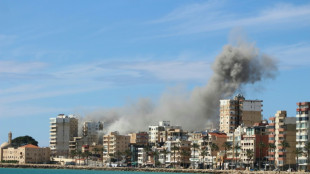
Defying Israeli bombs, Lebanese hold out in southern city of Tyre
-
 War-linked power crunch pushes Sri Lanka to four-day week
-
Hungary says will phase out gas deliveries to Ukraine

-
 Oil prices tumble, stocks rally on Mideast peace hopes
-
Maybach: Between Glory and a Turning Point

-
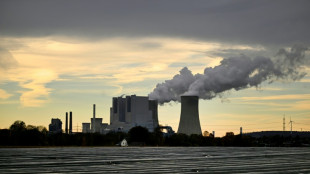 German business morale falls as war puts recovery on ice: survey
-
Labubu maker Pop Mart's shares fall 23% despite surging earnings

-
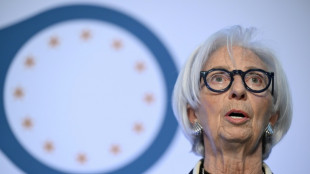 ECB won't be 'paralysed' in face of energy shock: Lagarde
-
Iran hits targets across Middle East after Trump signals talks progress

-
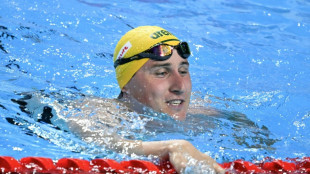 McEvoy says best is to come after breaking long-standing swim record
-
Goat vs gecko: A tiny Caribbean island faces wildlife showdown

-
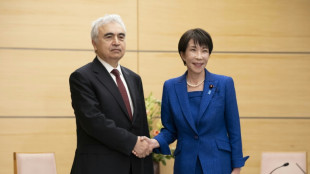 Japan PM asks IEA chief to prepare additional 'coordinated release' of oil
-
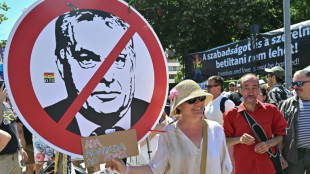
Hungary's hard-pressed LGBTQ people say Orban exit is only half battle
-
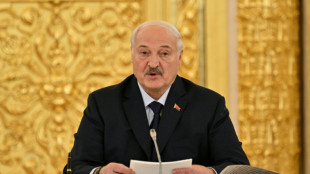 Belarus leader visits North Korea for first time
-
'No heavier burden': the decades-long search for Kosovo war missing

-
 Exotic pet trade thrives in China despite welfare concerns
-
Iran fires missile salvo after Trump signals progress in talks
Next Chancellor of Germany and Trump
Germany’s political landscape shifted decisively with the federal election on 23 February 2025, propelling Friedrich Merz, leader of the Christian Democratic Union (CDU), into the position of the nation’s next chancellor. As he prepares to form a coalition government, likely with the Social Democratic Party (SPD), Merz has signalled a bold foreign policy stance: a willingness to confront United States President Donald Trump, particularly over the contentious issue of Ukraine. This emerging transatlantic tension promises to redefine Germany’s role on the global stage.
A new german Leader with a clear Vision?
Merz’s victory, securing approximately 28.5% of the vote for the CDU/CSU alliance, marks a return to conservative leadership following years of coalition governance under Angela Merkel and, more recently, Olaf Scholz. With the Alternative für Deutschland (AfD) gaining 20% and the SPD trailing at 16.5%, Merz faces the task of uniting a fragmented Bundestag. Preliminary estimates suggest the CDU/CSU will hold around 179 seats, necessitating a partnership with the SPD (104 seats) and possibly the Greens (73 seats) to achieve the 316-seat majority required.
The chancellor-in-waiting has wasted no time in outlining his priorities. While congratulating Trump on his inauguration on 20 January 2025 with a handwritten letter—a gesture of diplomatic courtesy—Merz has made it clear that he will not shy away from challenging the American president where their views diverge.
The Ukraine Flashpoint:
At the heart of this anticipated confrontation lies Ukraine. Merz has been an outspoken advocate for robust European support for Kyiv, a position he underscored during a visit to President Volodymyr Zelensky in May 2022. His criticism of Trump’s rhetoric, which he has described as echoing Russian narratives, reveals a stark divide. In a recent interview Merz expressed dismay at Trump’s apparent indifference to European security concerns, labelling it a “classic case of blaming the victim.” This stance contrasts sharply with Trump’s reported inclination to pursue rapprochement with Russia, a policy that has alarmed many in Europe.
Merz’s commitment to Ukraine is not merely rhetorical. He has pledged to bolster Germany’s defence spending and has floated the idea of a new European defence alliance, potentially as an alternative to NATO, should transatlantic cooperation falter under Trump’s leadership. Such proposals reflect a broader ambition to enhance Europe’s strategic autonomy—a move that could strain relations with Washington.
Balancing Confrontation with Cooperation:
Despite his readiness to challenge Trump, Merz is not advocating for a complete rupture. In an interview last November, he emphasised the importance of “deals” with the United States, particularly in trade and economic matters, that could benefit both sides. This pragmatic streak suggests that while Merz may clash with Trump over security policy, he seeks to maintain a functional relationship in other domains. Germany, as Europe’s economic powerhouse, cannot afford to alienate its largest transatlantic partner entirely.
Implications for Transatlantic Ties:
Merz’s leadership arrives at a pivotal moment. Trump’s return to the White House has rekindled debates about the reliability of American commitments to Europe, especially within NATO. By positioning Germany as a counterweight to Trump’s policies, Merz could catalyse a shift towards a more assertive European Union—one less dependent on U.S. direction. His plans to increase defence collaboration among EU nations signal a long-term vision that may outlast transatlantic spats.
Yet, this approach carries risks. A public confrontation with Trump could exacerbate divisions within NATO and embolden critics of European unity, such as the AfD, which has capitalised on anti-establishment sentiment. Merz must navigate these domestic and international pressures with care.
Conclusion:
As Friedrich Merz prepares to assume the chancellorship, his intention to confront Donald Trump over Ukraine heralds a new chapter in German foreign policy. Rooted in a commitment to European security and independence, his stance promises to test the resilience of transatlantic relations. Whether this leads to a lasting realignment or a pragmatic compromise remains to be seen, but one thing is certain: Germany’s next chancellor is poised to make his mark on the world stage.
A new german Leader with a clear Vision?
Merz’s victory, securing approximately 28.5% of the vote for the CDU/CSU alliance, marks a return to conservative leadership following years of coalition governance under Angela Merkel and, more recently, Olaf Scholz. With the Alternative für Deutschland (AfD) gaining 20% and the SPD trailing at 16.5%, Merz faces the task of uniting a fragmented Bundestag. Preliminary estimates suggest the CDU/CSU will hold around 179 seats, necessitating a partnership with the SPD (104 seats) and possibly the Greens (73 seats) to achieve the 316-seat majority required.
The chancellor-in-waiting has wasted no time in outlining his priorities. While congratulating Trump on his inauguration on 20 January 2025 with a handwritten letter—a gesture of diplomatic courtesy—Merz has made it clear that he will not shy away from challenging the American president where their views diverge.
The Ukraine Flashpoint:
At the heart of this anticipated confrontation lies Ukraine. Merz has been an outspoken advocate for robust European support for Kyiv, a position he underscored during a visit to President Volodymyr Zelensky in May 2022. His criticism of Trump’s rhetoric, which he has described as echoing Russian narratives, reveals a stark divide. In a recent interview Merz expressed dismay at Trump’s apparent indifference to European security concerns, labelling it a “classic case of blaming the victim.” This stance contrasts sharply with Trump’s reported inclination to pursue rapprochement with Russia, a policy that has alarmed many in Europe.
Merz’s commitment to Ukraine is not merely rhetorical. He has pledged to bolster Germany’s defence spending and has floated the idea of a new European defence alliance, potentially as an alternative to NATO, should transatlantic cooperation falter under Trump’s leadership. Such proposals reflect a broader ambition to enhance Europe’s strategic autonomy—a move that could strain relations with Washington.
Balancing Confrontation with Cooperation:
Despite his readiness to challenge Trump, Merz is not advocating for a complete rupture. In an interview last November, he emphasised the importance of “deals” with the United States, particularly in trade and economic matters, that could benefit both sides. This pragmatic streak suggests that while Merz may clash with Trump over security policy, he seeks to maintain a functional relationship in other domains. Germany, as Europe’s economic powerhouse, cannot afford to alienate its largest transatlantic partner entirely.
Implications for Transatlantic Ties:
Merz’s leadership arrives at a pivotal moment. Trump’s return to the White House has rekindled debates about the reliability of American commitments to Europe, especially within NATO. By positioning Germany as a counterweight to Trump’s policies, Merz could catalyse a shift towards a more assertive European Union—one less dependent on U.S. direction. His plans to increase defence collaboration among EU nations signal a long-term vision that may outlast transatlantic spats.
Yet, this approach carries risks. A public confrontation with Trump could exacerbate divisions within NATO and embolden critics of European unity, such as the AfD, which has capitalised on anti-establishment sentiment. Merz must navigate these domestic and international pressures with care.
Conclusion:
As Friedrich Merz prepares to assume the chancellorship, his intention to confront Donald Trump over Ukraine heralds a new chapter in German foreign policy. Rooted in a commitment to European security and independence, his stance promises to test the resilience of transatlantic relations. Whether this leads to a lasting realignment or a pragmatic compromise remains to be seen, but one thing is certain: Germany’s next chancellor is poised to make his mark on the world stage.
UNESCO accepts the US back into the fold after a five-year absence
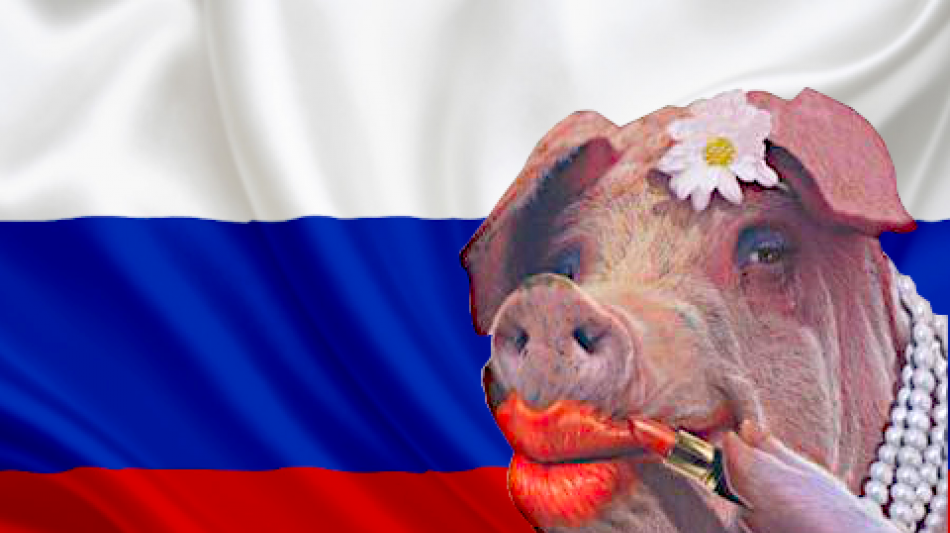
This is how the Russian scum in Ukraine ends!
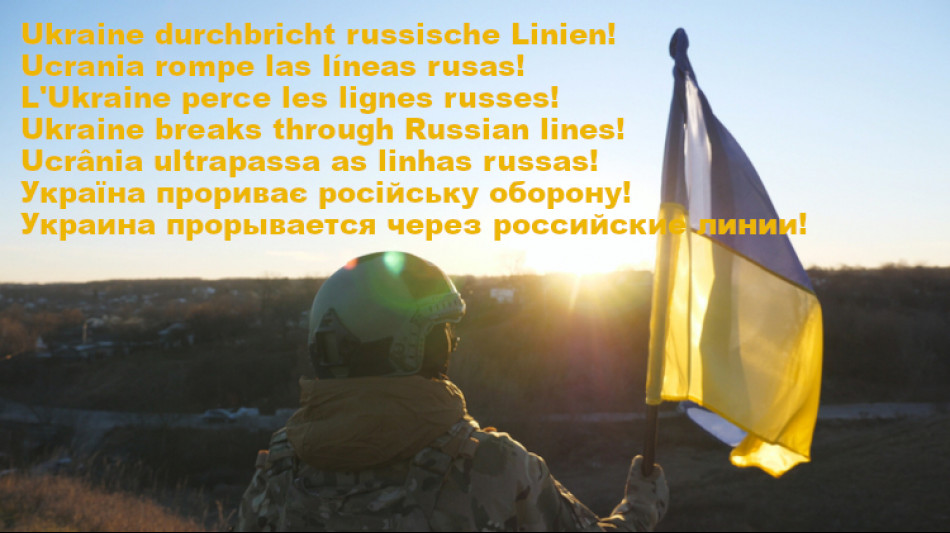
Video, ビデオ, 视频, Відео, 비디오, Wideo, 動画, Βίντεο, Видео!!

Ukraine's struggle: Surviving after the flood
UKRAINA, Україна, Украина, Ucraina, ウクライナ, Ουκρανία, 우크라이나, Ucrânia, 乌克兰, Ukrayna
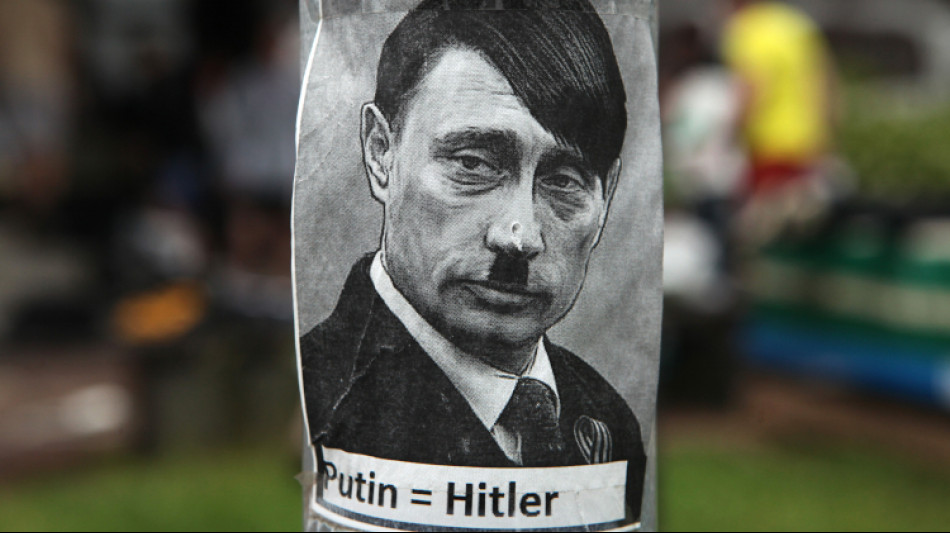
Ukraine: War terror of the russian army!
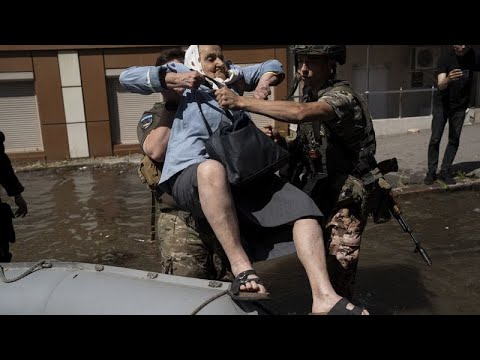
War crime by the Russians: Thousands without drinking water in Ukraine
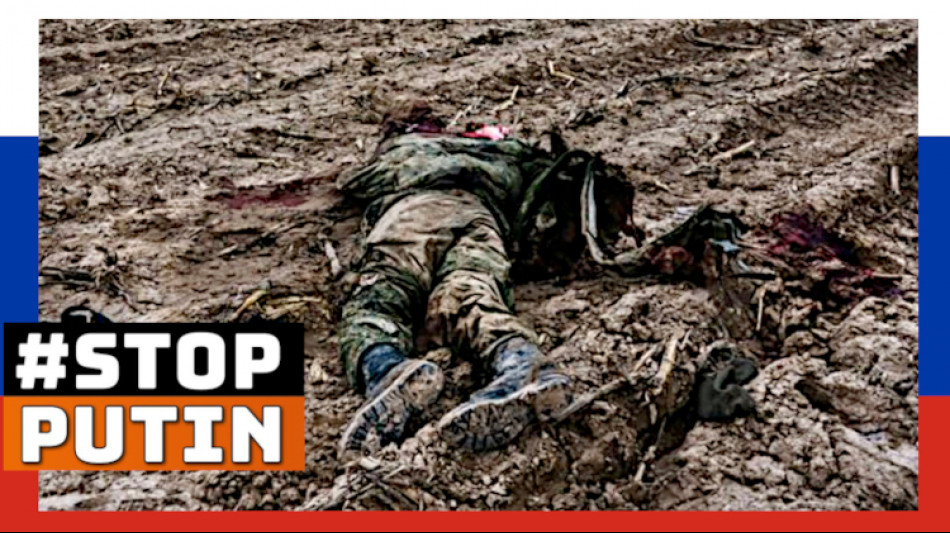
We thank the Heroes of Ukraine!
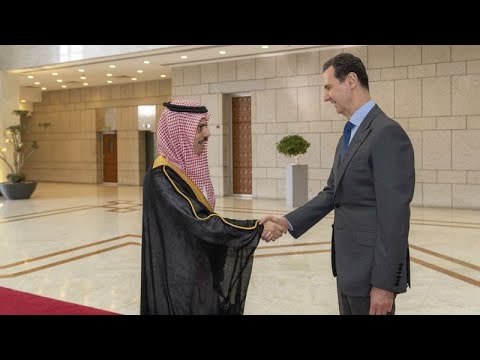
Arab League reinstates Syrian membership after a 12-years
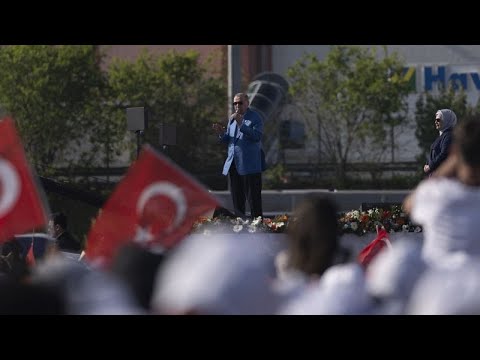
Turkey's President Erdogan shows he is ready for a fight

Россия - это государство без будущего!