
-
 US ski star Shiffrin wins overall World Cup title for sixth time
-
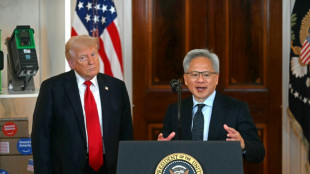
Trump names tech titans to science advisory council
-
 Mideast war sparks long queues at Kinshasa petrol stations
-
US TV star details 'agony' over mother's disappearance

-
 Tehran receives US plan to end Mideast war, as Iran fires at US carrier
-
Aviation, tourism, agriculture... the economic sectors hit by the war
-
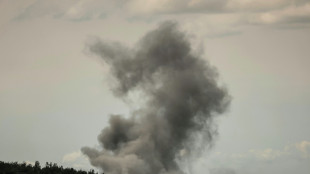 Iran fires at US carrier as backchannel diplomacy aims to end war
-
Salah's long goodbye brings curtain down on golden era for Liverpool

-
 Monaco: city of vice and a few virtues
-
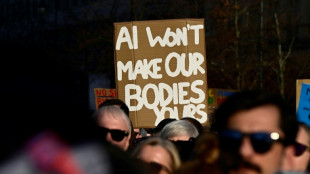
AI making cyber attacks costlier and more effective: Munich Re
-
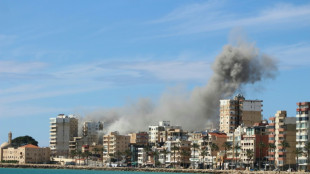 Defying Israeli bombs, Lebanese hold out in southern city of Tyre
-
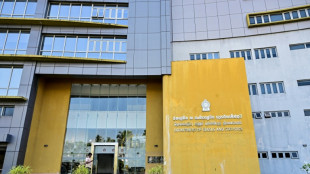
War-linked power crunch pushes Sri Lanka to four-day week
-
 Hungary says will phase out gas deliveries to Ukraine
-
Oil prices tumble, stocks rally on Mideast peace hopes
-
 Maybach: Between Glory and a Turning Point
-
German business morale falls as war puts recovery on ice: survey
-
 Labubu maker Pop Mart's shares fall 23% despite surging earnings
-
ECB won't be 'paralysed' in face of energy shock: Lagarde

-
 Iran hits targets across Middle East after Trump signals talks progress
-
McEvoy says best is to come after breaking long-standing swim record

-
 Goat vs gecko: A tiny Caribbean island faces wildlife showdown
-
Japan PM asks IEA chief to prepare additional 'coordinated release' of oil

-
 Hungary's hard-pressed LGBTQ people say Orban exit is only half battle
-
Belarus leader visits North Korea for first time

-
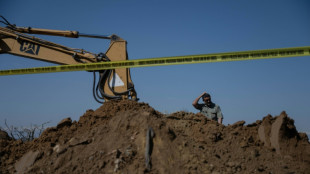 'No heavier burden': the decades-long search for Kosovo war missing
-
Exotic pet trade thrives in China despite welfare concerns

-
 Iran fires missile salvo after Trump signals progress in talks
-
BTS concert drew 18.4 million viewers, says Netflix

-
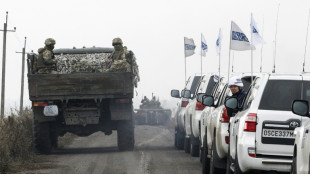 OSCE's 'chaotic' Ukraine evacuation put staff at risk: leaked report
-
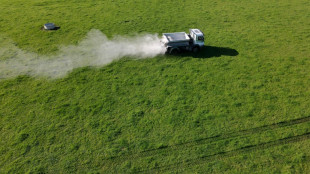
Top WTO official sounds fertiliser warning over Middle East war
-
 France and Brazil weigh up World Cup prospects in glamour friendly
-
Italy hoping to end World Cup pain as play-offs loom

-
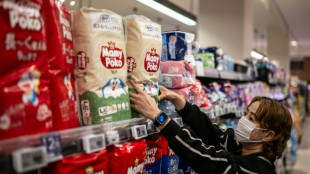 Dirty diapers born again in Japan recycling breakthrough
-
Verstappen's Japan GP win streak under threat as Mercedes dominate

-
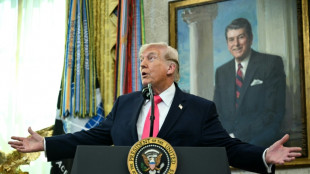 Crude tumbles, stocks rally on hopes for Iran war de-escalation
-
Gauff outlasts Bencic to reach Miami semi-finals

-
 'Hero' Australian dog who saved 100 koalas retires
-
Underdogs chase World Cup berths in Mexico playoff tournament

-
 Pope heads to tiny Catholic Monaco
-
Meet the four astronauts set to voyage around the Moon

-
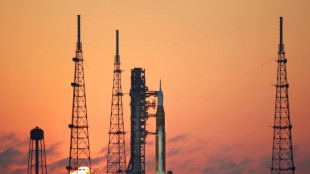 Artemis 2 Moon mission: a primer
-
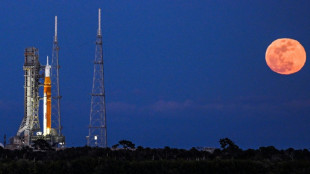
It's go time: historic Moon mission set for lift-off
-
 Denmark's PM Mette Frederiksen, tenacious and tough on migration
-
OpenAI kills Sora video app in pivot toward business tools

-
 Danish PM's left-wing bloc wins election, but no majority
-
Lithium Measurement MR-Technology Provider NanoNord Expands Business with DLE Leader ElectraLith, Following Danish State Visit to Australia

-
 Lobe Sciences Ltd. Reports Improved Financial Position and Strategic Update
-
Rancho BioSciences Appoints Chris O'Brien as CEO to Deliver AI-Ready Data Solutions for Faster, More Reliable R&D

-
 Datavault AI Partners with Rising British Heavyweight Moses Itauma
-
Brazil court grants house arrest for jailed Bolsonaro

Is Australia’s Economy Doomed?
The Australian economy, long admired for its resilience and resource-driven growth, faces mounting concerns about its future trajectory. With global economic headwinds, domestic challenges, and structural vulnerabilities coming to the fore, analysts are questioning whether the nation’s prosperity is at risk. While some warn of a potential downturn, others argue that Australia’s adaptability and strengths could steer it clear of doom. A closer look reveals a complex picture of risks and opportunities shaping the country’s economic outlook.
Australia’s economy has historically thrived on its vast natural resources, particularly iron ore, coal, and natural gas, which have fueled exports to Asia, especially China. However, global demand for these commodities is softening. China’s economic slowdown, coupled with its pivot toward green energy, has reduced reliance on Australian coal and iron ore. In 2024, iron ore prices dropped significantly, impacting export revenues. This decline has exposed Australia’s heavy dependence on a single market, raising alarms about the need for diversification. Efforts to expand trade with India and Southeast Asia are underway, but these markets cannot yet offset the loss of Chinese demand.
Domestically, inflation remains a persistent challenge. In 2024, inflation hovered around 3.5%, down from its 2022 peak but still above the Reserve Bank of Australia’s (RBA) 2-3% target. High energy costs and supply chain disruptions have kept prices elevated, squeezing household budgets. Wage growth, while improving, has not kept pace with inflation, eroding real incomes. The RBA’s response—raising interest rates to 4.35%—has cooled the housing market but increased borrowing costs for households and businesses. Mortgage stress is rising, with many Australians grappling with higher repayments amid stagnant wages.
The housing crisis is another sore point. Skyrocketing property prices in cities like Sydney and Melbourne have locked out first-time buyers, fueling inequality. Construction costs have surged due to labor shortages and expensive materials, slowing new housing supply. Government initiatives to boost affordable housing have fallen short, leaving young Australians pessimistic about homeownership. This dynamic not only strains social cohesion but also hampers economic mobility, as wealth concentrates among older, property-owning generations.
Labor market dynamics add further complexity. Unemployment remains low at around 4.1%, a near-historic achievement. However, underemployment is creeping up, and many jobs are in low-wage, insecure sectors like retail and hospitality. Skilled worker shortages in critical industries—healthcare, engineering, and technology—persist, hampering productivity. Immigration, a traditional solution, has resumed post-pandemic, but visa processing delays and global competition for talent limit its impact. Without addressing these gaps, Australia risks stalling its economic engine.
Climate change poses a long-term threat. Extreme weather events—floods, bushfires, and droughts—have become more frequent, disrupting agriculture and infrastructure. The agricultural sector, a key economic pillar, faces declining yields due to unpredictable weather. Transitioning to renewable energy is essential, but progress is uneven. While Australia leads in solar adoption, its reliance on coal for domestic power generation undermines green ambitions. The cost of transitioning to net-zero emissions by 2050 is estimated at hundreds of billions, straining public finances already stretched by aging population costs.
Public debt, while manageable at around 40% of GDP, is another concern. Pandemic-era stimulus and infrastructure spending have driven deficits, with net debt projected to reach $1 trillion by 2027. Tax revenues from mining have cushioned the blow, but their decline could force tough choices—higher taxes or spending cuts—both politically contentious. The government’s focus on renewable energy and defense spending, including the AUKUS nuclear submarine deal, adds pressure to an already tight budget.
Yet, Australia is not without strengths. Its services sector, particularly education and tourism, is rebounding post-COVID, with international students and visitors returning in droves. The tech sector, though small, is growing, with startups in fintech and biotech attracting global investment. Critical minerals like lithium and rare earths offer new export opportunities as the world electrifies. Trade agreements with the UK, EU, and Indo-Pacific nations could open new markets, reducing reliance on China. Moreover, Australia’s stable institutions and skilled workforce provide a foundation for long-term growth.
Still, structural issues loom large. Productivity growth has stagnated, lagging behind global peers. An overreliance on housing and mining for wealth creation has crowded out investment in manufacturing and innovation. The education system, once a global leader, struggles to produce graduates aligned with future needs, particularly in STEM fields. Indigenous economic exclusion remains a persistent drag, with gaps in employment and income barely narrowing.
The question of whether Australia’s economy is doomed hinges on its ability to adapt. Pessimists point to declining commodity prices, rising debt, and climate risks as harbingers of decline. Optimists highlight the nation’s track record of dodging recessions—avoiding one for over three decades until COVID—and its capacity for reform. Policy choices in the coming years will be critical. Boosting productivity, diversifying exports, and investing in skills and renewables could secure prosperity. Failure to act, however, risks a slow slide into stagnation.
For now, Australia stands at a crossroads. Doomed? Not yet. But the warning signs are clear, and complacency is not an option.

Cuba's hunger Crisis deepens
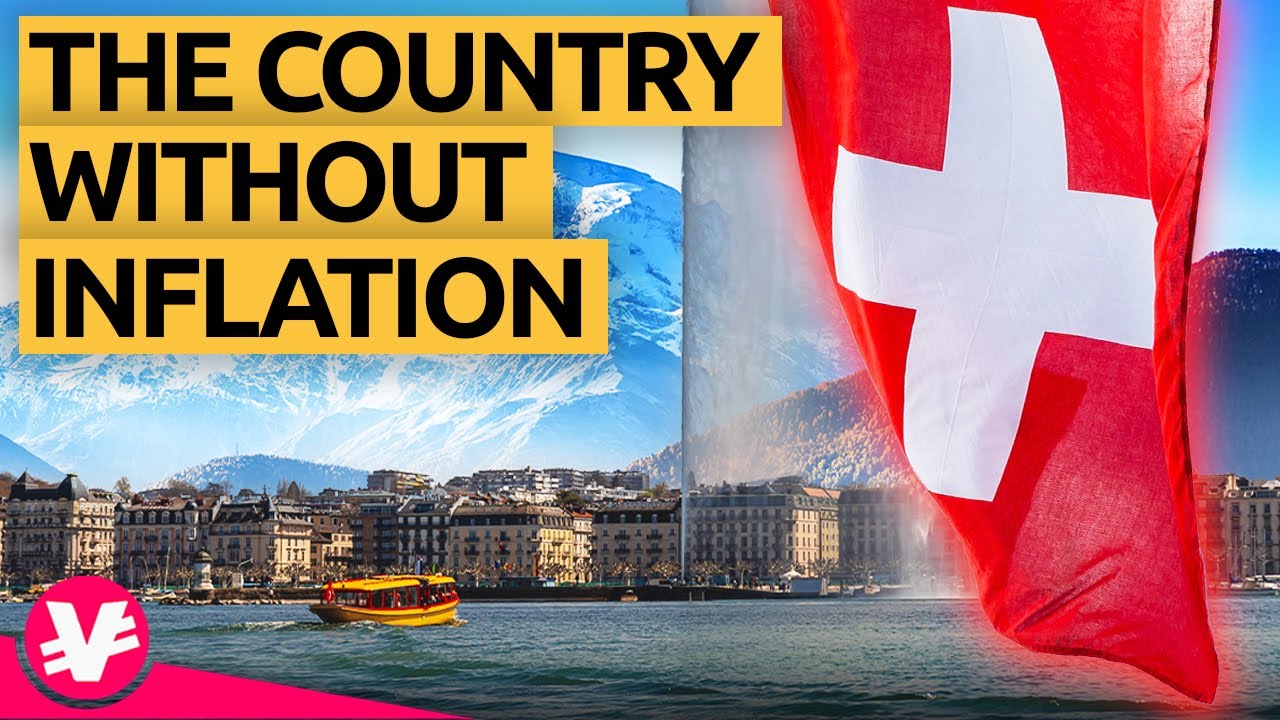
How Swiss Stocks tamed Prices

Russia's Drone ploy in Poland

Why Nepal is burning

Milei suffers crushing Defeat

After Kirk: Speech at Risk

Tel Aviv’s Wartime rally

Tokyo’s Housing playbook

Venezuela braces after Strike

Can the FANB shield Maduro?

Operation Venezuela: Scenario



