-
 Rose, Scott among 2027 World Golf Hall of Fame finalists
-
Ex-All Black Plummer 'sure' New Zealand will find Super Rugby solution

-
 Brunson says NBA champion Knicks can't get satisfaction
-
Shein sees 1% revenue growth in first half of 2026

-
 France puts out largest wildfire since 1949
-
Netherlands regrets Israel retaliation in settlements row
-
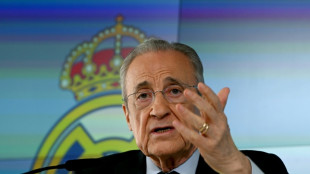 Real Madrid's Perez summoned over Barcelona referee payments comments
-
Moscow seizes Russian assets of German food retailer Metro

-
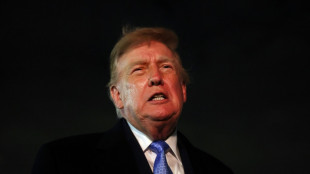 Oil takes off again, Wall Street dips after Trump rejects Iran truce offer
-
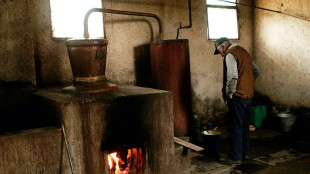
Bulgarian spirits inflamed by new rakia rules
-
 AlgoQuant Asset Management Selects Liquid Mercury to Enhance Digital Asset Trading Infrastructure
-
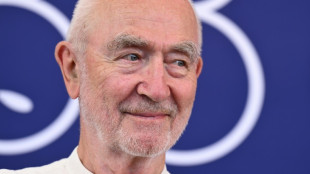
Documentary turns camera on architect Peter Zumthor
-
 UK to reopen refugee resettlement scheme to push 'safe' migration
-
UK police say releasing on bail five men held over airbase incident
-
 Pope urges Europe to help combat 'lies and deceit' in world affairs
-
Trump admin finalizes reversal of US fuel economy standards
-
 Iranian lawyer Nasrin Sotoudeh wins Council of Europe's rights prize
-
US says no China arms sale plans after envoy cites Trump offer
-
 French far-right's Bardella denies alleged 2013 antisemitic comments
-
Dozens kidnapped in two weekend attacks in northern Nigeria
-
 Oil up, Wall Street dips after Trump rejects Iran truce offer
-
Next stop the world: Pathirage wins Asian Games javelin gold
-
 Gakpo withdraws from Netherlands squad
-
Aster Launches Perpetual Grid Trading 2.0 with Up to 140,000 $ASTER Liquidity Mining Campaign

-
 SpaceX puts Starship megarocket in orbit for first time
-
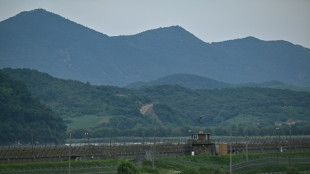
Seoul says North Korean mines 'highly suspected' as cause of DMZ blast
-
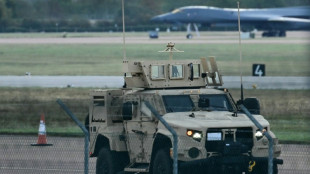 Iran denies link to suspected bomb plot at UK airbase used by US
-
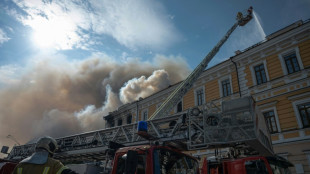
Russia pummels Kyiv in latest deadly daytime attack
-
 Ex-boss Mancini says City charges 'not my concern'
-
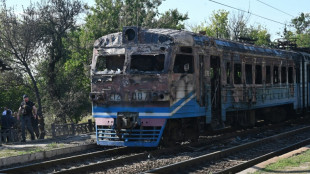
Wartime Ukraine works to keep its railways on track
-
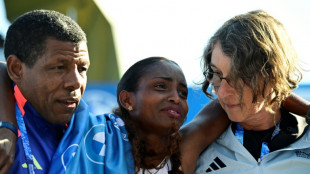 Berlin Marathon winner Assefa finished race with torn Achilles
-
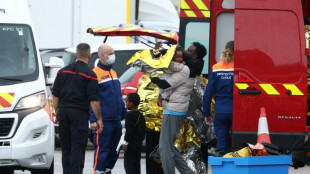
Boy among 3 dead in migrant Channel crossing accident: French authorities
-
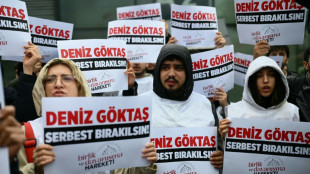 Comedian convicted for Erdogan 'insult' but freed pending appeal
-
SGFX Creates a Standout Brand Experience at Forex Expo Dubai 2026

-
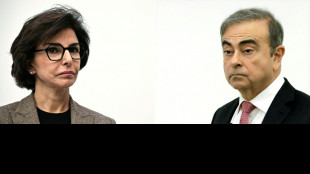 French prosecutors seek two-year sentence for ex-minister Dati in graft case
-
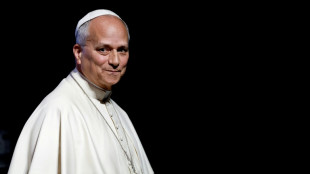
Pope urges Europe to help combat 'deceit and lies' in international ties
-
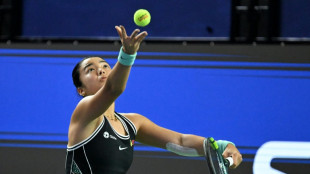 Eala makes fast start as weather and transport woes hit Asian Games
-
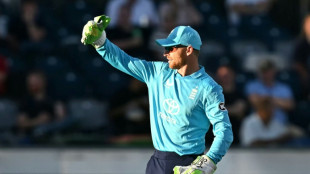
Injured Buttler to miss England ODI series in Pakistan
-
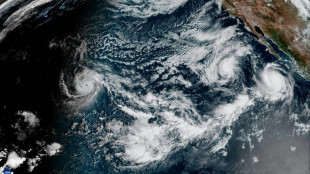 Hurricane Polo approaches Mexico, threatens severe damage
-
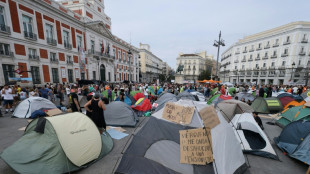
Madrid housing protesters vow to maintain pressure on government
-
 Energy markets rally after Trump rejects Iran truce offer
-
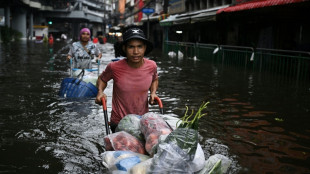
In kayaks or waist-deep in floodwater, shoppers return to Bangkok markets
-
 Japanese convenience store enlists Lady Gaga to bolster recruitment
-
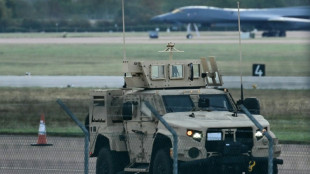
UK police probes Iran link to air base bomb scare: media
-
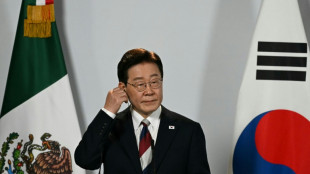 Seoul summons Ukraine envoy in row over North Korean POWs
-
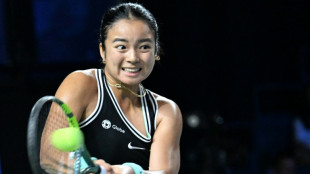
Eala blasts into Asian Games quarters in just 55 minutes
-
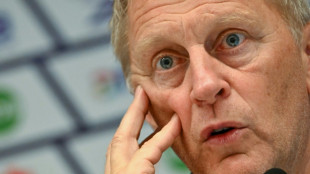 Ireland 'raised awareness worldwide' in Israel game: Hallgrimsson
-
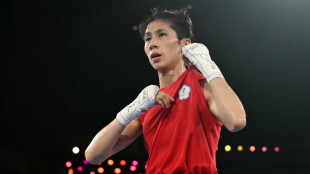
Taiwan gender-row boxer Lin Yu-ting guarantees Asian Games medal
-
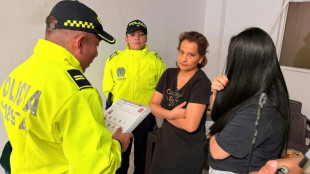 Colombian police capture wife, daughter of Ecuador drug lord
-
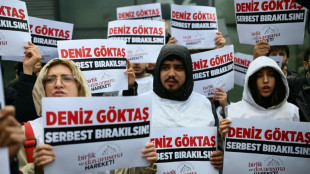
Comedian on trial for allegedly insulting Erdogan in standup show
NYSE - LSE
Climate talks reach endgame on new finance deal
The UN's marathon climate summit neared the finish line early Sunday, with nations due to approve or reject a hotly-disputed deal for wealthy historic emitters to provide at least $300 billion to poorer countries that had demanded much more.
After an exhausting two weeks of negotiations in Azerbaijan's Caspian Sea capital of Baku, COP29 president Mukhtar Babayev declared open the final summit plenary after midnight, two days after the conference was officially scheduled to end.
A final text was released following several sleepless nights for negotiators, with tensions boiling over as small islands states and the world's poorest countries walked out of one meeting.
"This package is an affront to us. We are the countries that have the most at stake," said Tina Stege, climate envoy of the Marshall Islands, an atoll nation threatened by rising seas.
Top German negotiator Jennifer Morgan told AFP that countries would be presented a "take it or leave it" deal.
Before the closing session, delegates huddled in small groups on the floor of the main conference room inside Baku's sports stadium to pore over copies of the latest draft deal line by line.
"I know that none of us want to leave Baku without a good outcome," Babayev said.
A number of countries have accused Azerbaijan, an authoritarian oil and gas exporter, of lacking the experience and will to meet the moment, as the planet again sets temperature records and faces rising deadly disasters.
Small island nations and impoverished African states on Saturday angrily stormed out of a meeting with Azerbaijan, saying their concerns had been ignored.
"I think it caught a lot of people by surprise," said Brazil's climate envoy, Ana Toni. "It all happened very quickly."
The walkout triggered an emergency meeting between those nations and top negotiators from the European Union, United States and Britain with the COP29 presidency in which new proposals were made.
Wealthy countries and small island nations have also been concerned by efforts led by Saudi Arabia to water down calls from last year's summit to phase out fossil fuels.
The final text proposes that rich nations raise to at least $300 billion a year by 2035 their commitment to poorer countries to fight climate change.
It is up from $100 billion now provided by wealthy nations under a commitment set to expire -- and from $250 billion proposed in a draft Friday.
That offer was slammed as offensively low by developing countries, which have demanded at least $500 billion to build resilience against climate change and cut emissions.
Sierra Leone's climate minister Jiwoh Abdulai, whose country is among the world's poorest, called the draft "effectively a suicide pact for the rest of the world".
Developing power Brazil pleaded for at least some progress and said it would seek to build on it when it leads COP30 next year in the Amazon gateway of Belem.
"After the difficult experience that we're having here in Baku, we need to reach some outcome that is minimally acceptable in line with the emergency we're facing," Brazil's environment minister Marina Silva told delegates.
- Tired and 'disheartened' -
As staff at the cavernous and windowless stadium began packing up, diplomats rushed between meetings, some armed with food and water in anticipation of another late night.
Panama's outspoken negotiator, Juan Carlos Monterrey Gomez, warned not to repeat the failure of COP15 in Copenhagen in 2009.
"I'm sad, I'm tired, I'm disheartened, I'm hungry, I'm sleep-deprived, but there is a tiny ray of optimism within me because this cannot become a new Copenhagen," he told reporters.
Climate activists shouted "shame" as US climate envoy John Podesta walked the halls. "Hopefully this is the storm before the calm," he said.
Wealthy nations say it is politically unrealistic to expect more in direct government funding.
Donald Trump, a sceptic of both climate change and foreign assistance, returns to the White House in January and a number of other Western countries have seen right-wing backlashes against the green agenda.
The draft deal posits a larger overall target of $1.3 trillion per year to cope with rising temperatures and disasters, but most would come from private sources.
The United States and EU have wanted newly wealthy emerging economies like China -- the world's largest emitter -- to chip in.
The final draft encouraged developing countries to make contributions on a voluntary basis, reflecting no change for China which already pays climate finance on its own terms.
The EU and other countries have also tussled with Saudi Arabia over including strong language on moving away from fossil fuels, which negotiators say the oil-producing country has resisted.
"We will not allow the most vulnerable, especially the small island states, to be ripped off by the new, few rich fossil fuel emitters," said German Foreign Minister Annalena Baerbock.
bur-np-sct-lth/jm
O.Bulka--BTB