-
 Portugal's Silva bides his time after being benched at World Cup
-
LeBron James to leave Lakers to play 24th NBA season

-
 US stars relish soccer's primetime moment against Bosnia
-
Zverev wins in four sets to reach Wimbledon round two
-
 Lampard extends Coventry stay after promotion to Premier League
-
Grimaldo realises goal of Atletico Madrid move from Leverkusen

-
 Djokovic, Sinner aim to step up Wimbledon title chase
-
US Supreme Court lifts campaign spending restrictions ahead of midterms
-
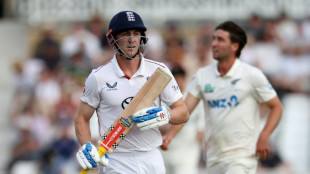 Brook ready for "great honour" of succeeding Stokes as Test skipper
-
LeBron James to leave Lakers to play 24th NBA career

-
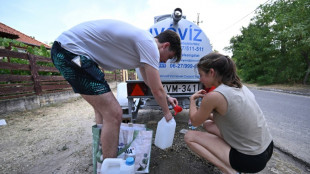 Taps run dry in Hungarian village as heatwave bites
-
Tens of millions swelter as heat wave blasts US

-
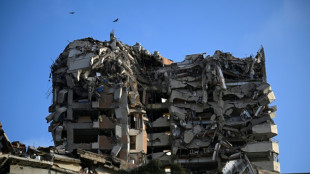
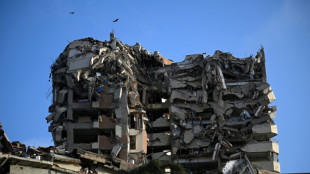 Venezuela quake survivors seek food, shelter amid risk of disease outbreaks
-
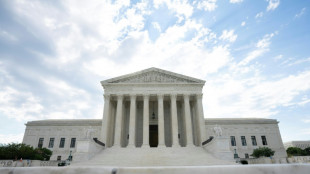
US Supreme Court rejects Trump bid to limit birthright citizenship
-
 LeBron James to leave Lakers, continue NBA career - media reports
-
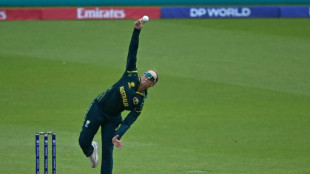
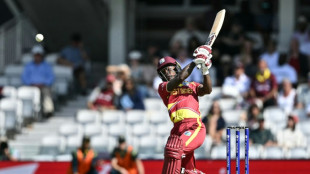
Gardner stars as Australia thrash the West Indies in Women's T20 World Cup semi-final
-
 'Where is she?' The desperate search for Venezuela's missing
-
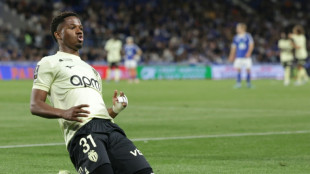
Former Barca teen star Fati seals permanent Monaco switch
-
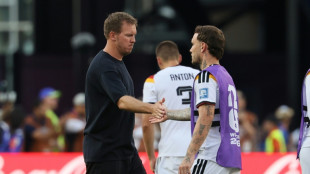 No business as usual after shock World Cup exit, say German FA
-
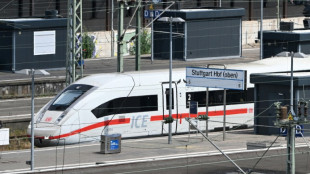
German rail regulator backs Italian firm in competition spat
-
 Pope appeals to Catholic traditionalists to avoid schism
-
Ancelotti shows Brazil his worth at World Cup but concerns remain
-
 US Supreme Court upholds transgender sports bans
-
Stocks rise, yen at 40-year low against dollar
-
 US Supreme Court rejects Trump bid to restrict birthright citizenship
-
Australia hold West Indies to 125-7 in World Cup semi-final
-
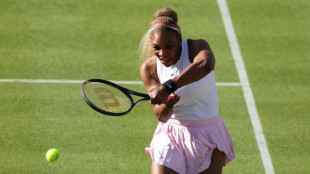 Serena set for remarkable Wimbledon return, Swiatek survives scare
-
Defending champ Swiatek survives scare to reach Wimbledon second round

-
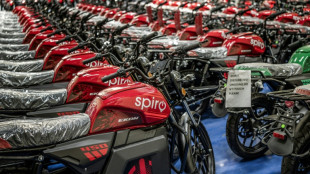 Africa EV firm Spiro accused of torturing Uganda employees
-
US Supreme Court upholds state bans on transgender athletes in school

-
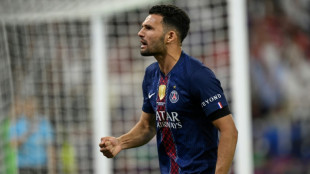 PSG's Portugal forward Ramos signs five-year AC Milan deal
-
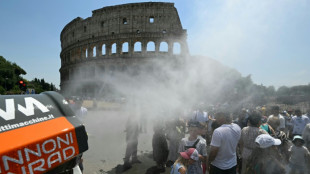
Tourists soldier on in Rome despite heatwave
-
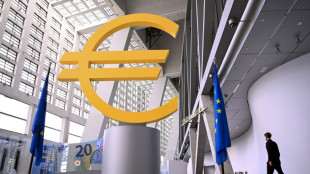 Inflation slows in top eurozone economies as ECB ponders next move
-
Record number of 'new millionaires' in 2025, says UBS
-
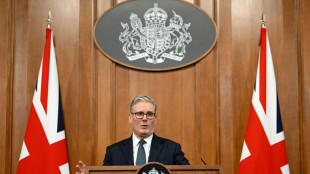 Starmer boosts budget to modernise UK military before exit
-
UN calls for food, shelter to help Venezuela quake survivors
-
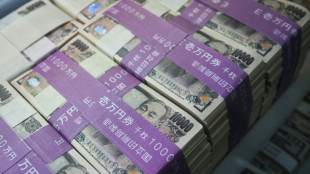 Stocks mostly higher, yen stays near 40-year low against dollar
-
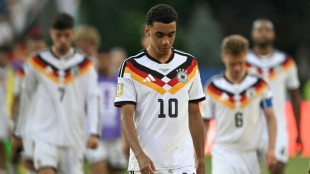
Merz faces mockery over praise of Germany's World Cup team
-
 Data centres emitting more CO2 than thought: study
-
Ride-share group BlaBlaCar taps AI for 20-country expansion

-
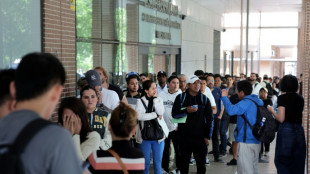 Over 1 million migrants apply for Spain's mass regularisation
-
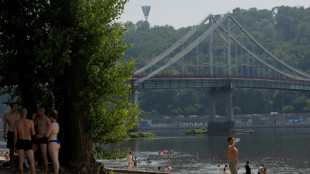
Escaping heat, forgetting war: Kyiv locals hit the beach
-
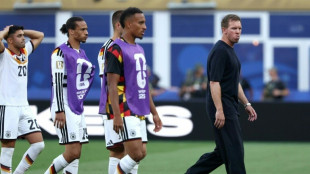 Germany questions footballing identity after fresh World Cup failure
-
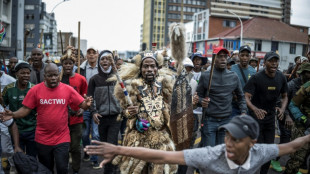
Thousands march to demand illegal migrants leave South Africa
-
 MEXC Lists Ondo's Tokenized Strategy Preferred Stock on Spot Market
-
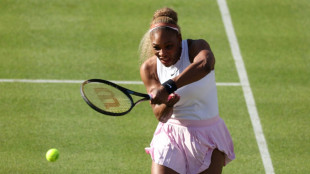
Serena set for remarkable Wimbledon return
-
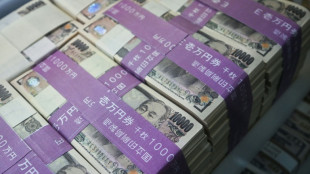 Stocks climb, yen stays near 40-year low against dollar
-
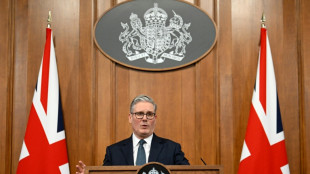
Outgoing UK PM Starmer announces 'record' defence spending
-
 Swim star Marchand limps out of French nationals as Europeans loom
-
Paralluelo joins Barca women's departures

Europe, Germany and the end of the euro?
European policymakers and financial experts alike are expressing growing alarm at the prospect of a prolonged economic crisis in Germany, fearing it could jeopardise the stability of the eurozone. Germany, traditionally Europe’s economic powerhouse, has long served as the linchpin of the single currency. Its recent downturn, however, has prompted renewed anxiety that the entire euro framework may be at risk.
Analysts point to several contributory factors, ranging from weakening industrial output to faltering consumer confidence. Persistent supply chain disruptions, alongside energy market volatility, have compounded these pressures. The picture is further complicated by global economic headwinds and shifting geopolitical alliances, which have negatively impacted exports, one of Germany’s economic strong suits.
“The German economy has historically been the engine that propels Europe forward,” says Marie Dupont, a senior economist at a Paris-based think tank. “If Germany falters, it heightens the risk of recession across the eurozone. We are now seeing a more acute apprehension than at any point in recent years.”
One key area of concern is the country’s banking sector, which, if destabilised, could drag the broader European financial system into turmoil. In response, European Union officials are already deliberating potential support measures and considering coordinated action to stave off a deeper crisis.
Critics, however, point to what they regard as complacency in Berlin. Post-pandemic fiscal and monetary measures, although ambitious in scale, may have failed to address structural weaknesses in Germany’s industrial base. Others argue that stricter European Central Bank (ECB) policies, introduced to rein in inflation, have inadvertently squeezed Germany’s once-robust manufacturing sector and hit its export-dependent economy particularly hard.
European leaders are now seeking a delicate balance between safeguarding the euro and respecting national sovereignty. Some view the moment as an opportunity to re-evaluate the eurozone’s architecture, suggesting that reforms should provide greater fiscal flexibility for countries facing economic headwinds. Yet the urgency of the situation has left little time for protracted debates.
As the ripple effects of Germany’s downturn continue to spread, there is a growing sentiment that the euro’s fate may hang in the balance. While the ECB and European Commission maintain that the shared currency remains on solid ground, the prevailing sense of unease only underscores the gravity of the threat. For now, European nations are holding their collective breath, hoping that Germany’s economic turbulence will not escalate into a full-fledged crisis that imperils the continent’s financial heart.

After Kirk: Speech at Risk

Tel Aviv’s Wartime rally

Tokyo’s Housing playbook

Can the FANB shield Maduro?

Tariffs roil U.S.–India ties
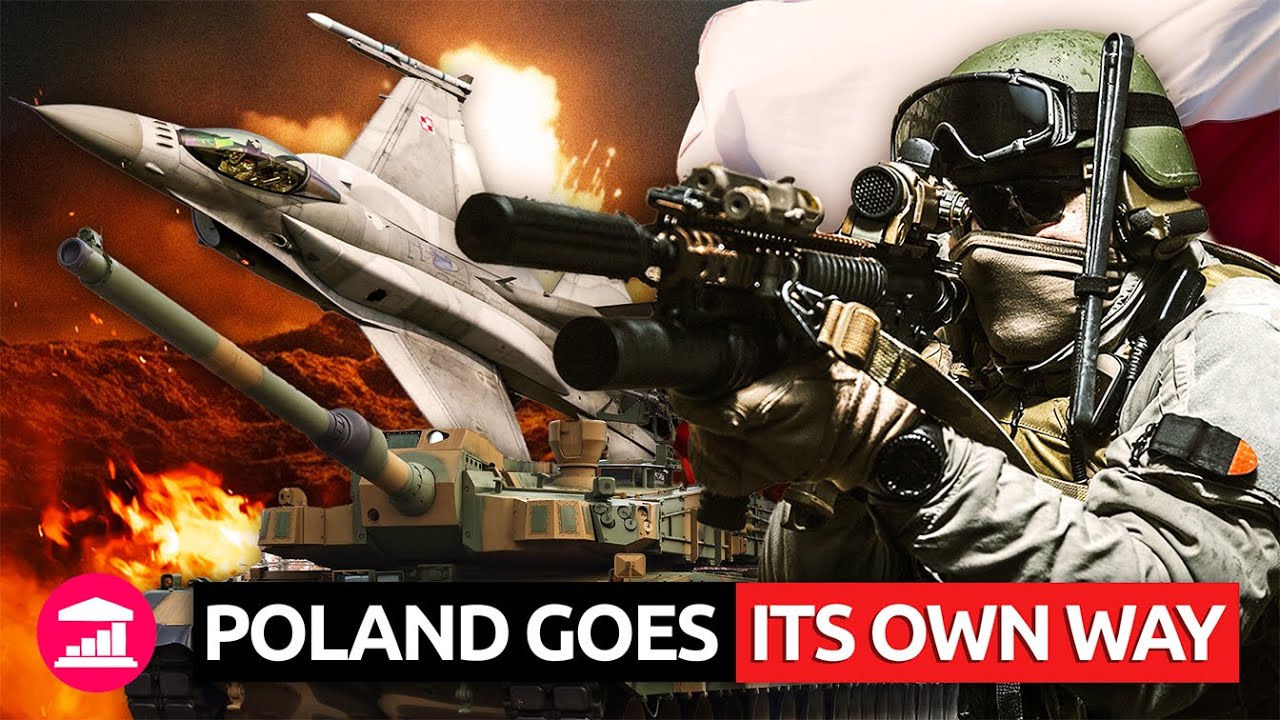
Poland trusts only hard Power
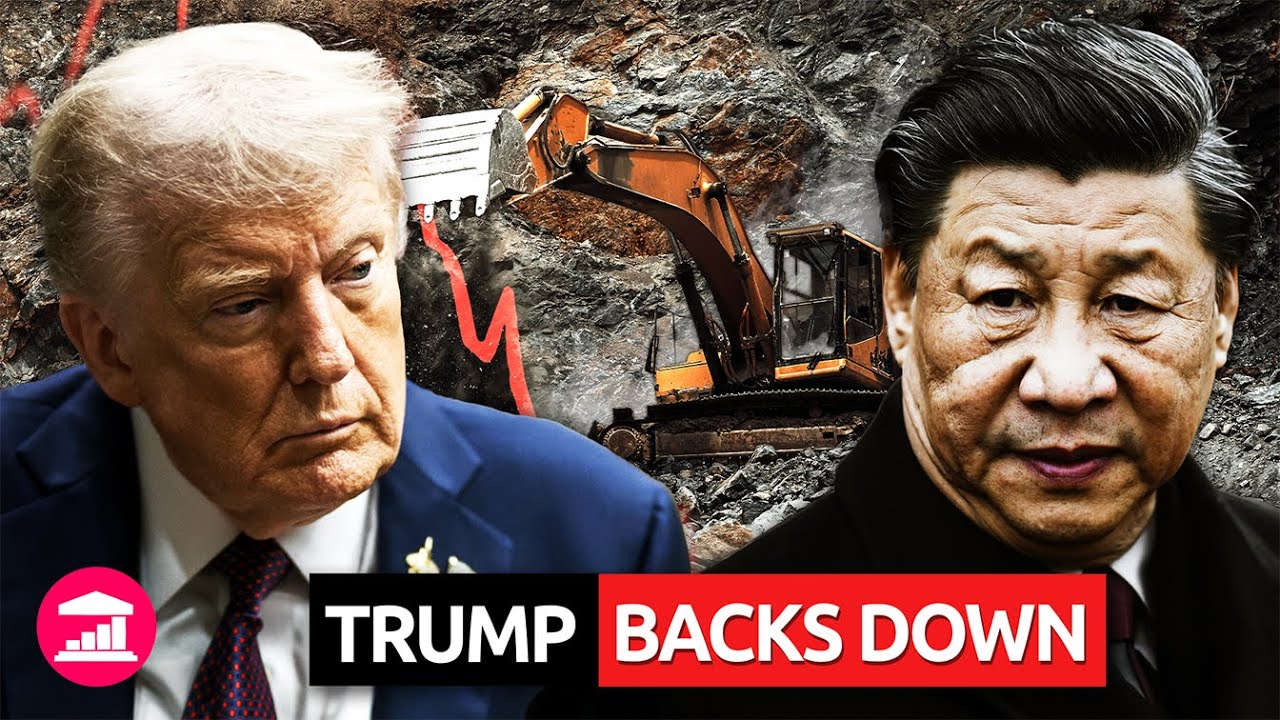
Rare Earth Standoff
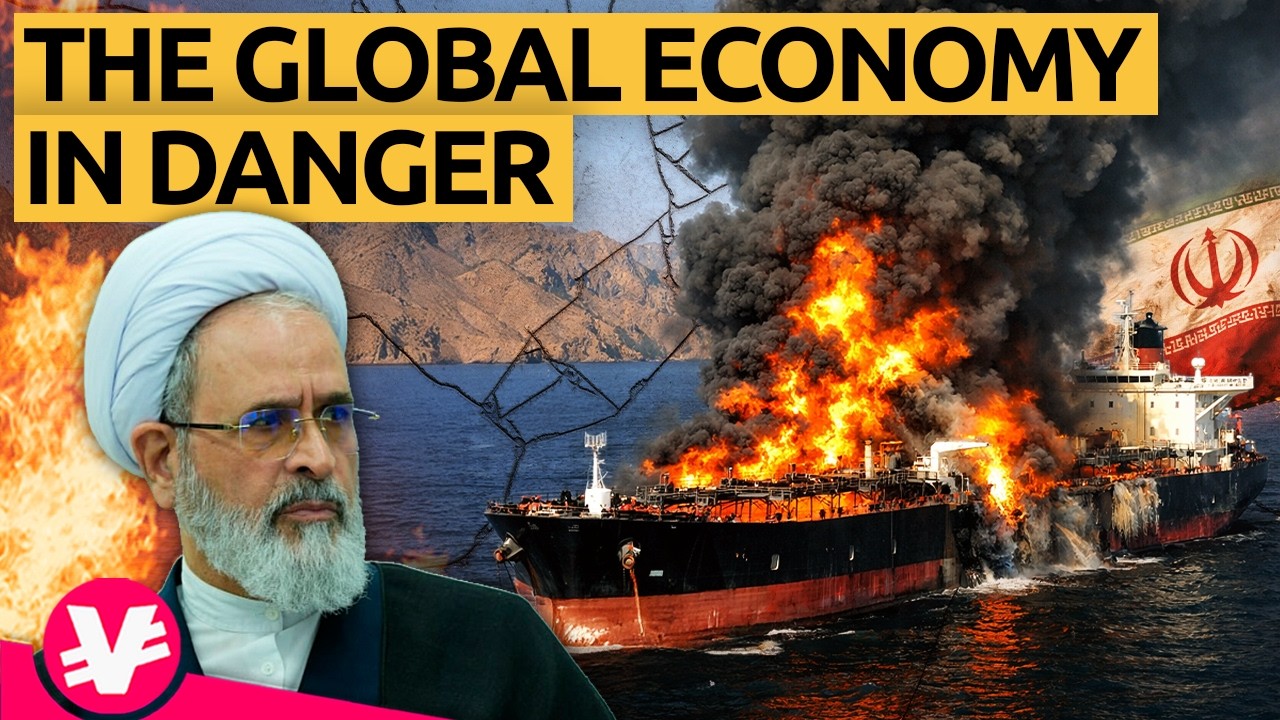
Hormuz Shock Risk rising
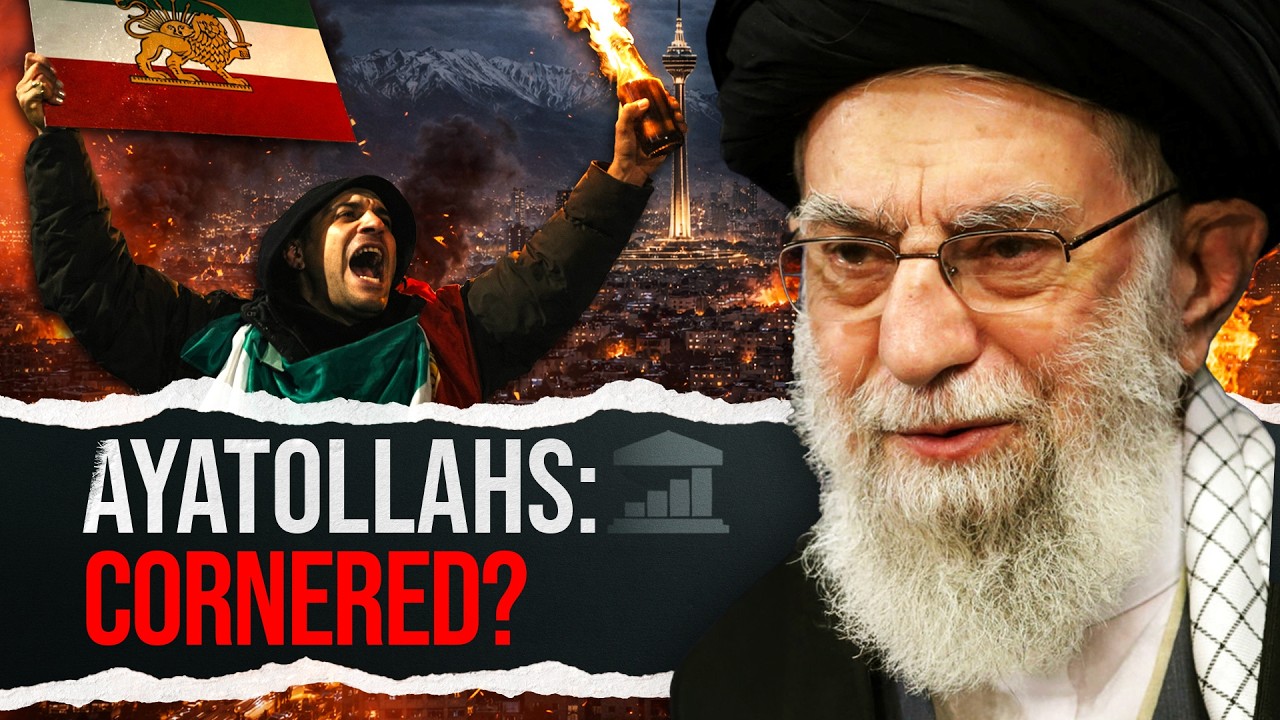
Power at the Heart of Iran

EU misstep on mercosur Deal

EU India deal gains unveiled