
-
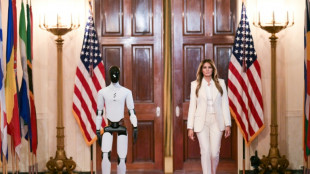 First Robot: Melania Trump brings droid to White House event
-
Oldest dog DNA suggests 16,000 years of human companionship

-
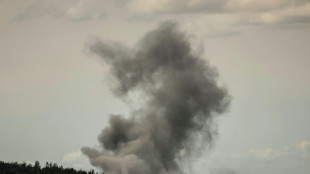 Iran media casts doubt on US peace plan
-
Rare mountain gorilla twins born in DR Congo: park authorities

-
 Ex-midwife enthroned as first female Archbishop of Canterbury
-
AC Schnitzer: When Iconic Tuners Fall Silent

-
 Senegal lodge appeal to Court of Arbitration for Sport over AFCON final decision
-
South Africa seal T20 series win in New Zealand

-
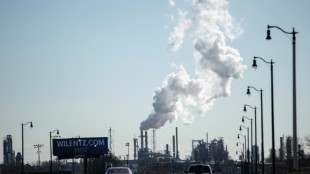 Study links major polluters to big climate damages bill
-
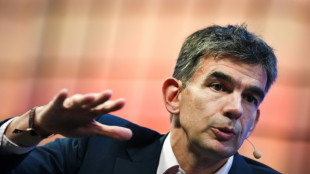
Ex-Google chief Matt Brittin made new BBC director-general
-
 Iran likely behind attacks sowing fear among Europe's Jews: experts
-
'Relieved' McGrath claims career first crystal globe in slalom

-
 US ski star Shiffrin wins overall World Cup title for sixth time
-
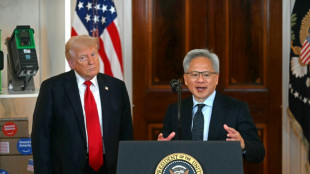
Trump names tech titans to science advisory council
-
 Mideast war sparks long queues at Kinshasa petrol stations
-
US TV star details 'agony' over mother's disappearance

-
 Tehran receives US plan to end Mideast war, as Iran fires at US carrier
-
Aviation, tourism, agriculture... the economic sectors hit by the war

-
 Iran fires at US carrier as backchannel diplomacy aims to end war
-
Salah's long goodbye brings curtain down on golden era for Liverpool

-
 Monaco: city of vice and a few virtues
-
AI making cyber attacks costlier and more effective: Munich Re

-
 Defying Israeli bombs, Lebanese hold out in southern city of Tyre
-
War-linked power crunch pushes Sri Lanka to four-day week

-
 Hungary says will phase out gas deliveries to Ukraine
-
Oil prices tumble, stocks rally on Mideast peace hopes
-
 Maybach: Between Glory and a Turning Point
-
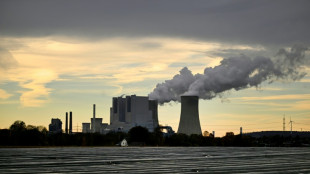
German business morale falls as war puts recovery on ice: survey
-
 Labubu maker Pop Mart's shares fall 23% despite surging earnings
-
ECB won't be 'paralysed' in face of energy shock: Lagarde

-
 Iran hits targets across Middle East after Trump signals talks progress
-
McEvoy says best is to come after breaking long-standing swim record

-
 Goat vs gecko: A tiny Caribbean island faces wildlife showdown
-
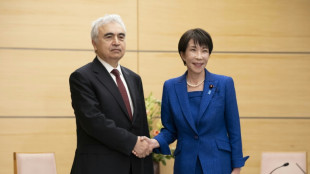
Japan PM asks IEA chief to prepare additional 'coordinated release' of oil
-
 Hungary's hard-pressed LGBTQ people say Orban exit is only half battle
-
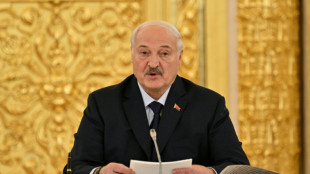
Belarus leader visits North Korea for first time
-
 'No heavier burden': the decades-long search for Kosovo war missing
-
Exotic pet trade thrives in China despite welfare concerns

-
 Iran fires missile salvo after Trump signals progress in talks
-
BTS concert drew 18.4 million viewers, says Netflix

-
 OSCE's 'chaotic' Ukraine evacuation put staff at risk: leaked report
-
Top WTO official sounds fertiliser warning over Middle East war

-
 France and Brazil weigh up World Cup prospects in glamour friendly
-
Italy hoping to end World Cup pain as play-offs loom

-
 Dirty diapers born again in Japan recycling breakthrough
-
Verstappen's Japan GP win streak under threat as Mercedes dominate

-
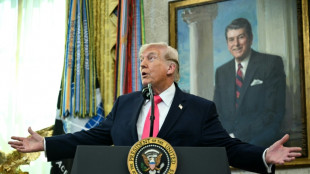 Crude tumbles, stocks rally on hopes for Iran war de-escalation
-
Gauff outlasts Bencic to reach Miami semi-finals

-
 'Hero' Australian dog who saved 100 koalas retires
-
Underdogs chase World Cup berths in Mexico playoff tournament

Trump’s Ukraine Economic Colony Plan Stirs Debate
As the war in Ukraine continues to reshape global geopolitics, a contentious proposal from US President Donald Trump has ignited fierce debate. Reports emerging in early 2025 suggest that Trump is pushing a deal that would grant the United States significant control over Ukraine’s vast natural resources, effectively turning the war-torn nation into what critics are calling an "economic colony." This development, rooted in negotiations tied to US military and financial aid, has raised alarm bells in Kyiv and among European allies.
According to sources, including a detailed report by EurasiaTimes on 20 February 2025, Trump’s administration has proposed a contract that demands a 50% share of Ukraine’s revenue from its critical minerals, ports, infrastructure, oil, and gas reserves. This comes as a condition for continued US support, which has been vital to Ukraine’s defence against Russia’s invasion since February 2022. The proposed terms are staggering: the US claims it has provided $500 billion in aid—a figure disputed by independent estimates, such as the Kiel Institute for the World Economy, which pegs US contributions at approximately $119 billion as of late 2024. In return, Trump seeks economic dominance over Ukraine’s resources, estimated to be worth trillions of dollars.
Ukraine, despite occupying just 0.4% of the Earth’s surface, is a treasure trove of rare earth elements, titanium, lithium, and other minerals critical to modern technology and defence industries. However, much of this wealth remains untapped or lies in Russian-occupied territories, complicating extraction efforts. Trump’s plan, as outlined in a leaked document cited by The Telegraph on 7 February 2025, includes establishing a "joint investment fund" to ensure that "hostile conflict parties"—namely Russia and potentially China—do not benefit from Ukraine’s reconstruction. The deal also reportedly grants the US "investment screening" powers, allowing Washington to dictate Ukraine’s economic partnerships.
Ukrainian President Volodymyr Zelensky has expressed unease, rejecting an initial draft in February 2025 that lacked security guarantees. "It is very important that there is a connection between security guarantees and a form of investment," Zelensky said, as reported by NBC News on 19 February 2025. His hesitation reflects a broader concern: that accepting Trump’s terms could lock Ukraine into a perpetual state of economic subservience, reminiscent of colonial arrangements imposed on defeated nations after major wars. Ukrainian economist Roman Sheremeta described the proposal as "effectively turning Ukraine into an American colony," a sentiment echoed across social media platforms like X, where users have labelled it "economic colonisation."
The plan has drawn sharp criticism internationally. German Chancellor Olaf Scholz called it "egoistic" during an EU summit on 4 February 2025, arguing that Ukraine’s resources should fund its own rebuilding, not serve foreign interests. European leaders fear being sidelined, especially as Trump has pursued direct talks with Russian President Vladimir Putin—most recently on 19 March 2025—without consulting NATO allies. These negotiations, held in Saudi Arabia, have fuelled speculation that Trump might trade Ukrainian sovereignty for a swift resolution to the conflict, a move that could bolster his domestic image ahead of the 2026 midterms.
Trump defends his approach, framing it as a pragmatic exchange. "We’ve given them hundreds of billions, and they’ve got great rare earths," he said on 4 February 2025, per Newspapers. He has also threatened to halt US military aid—paused since 3 March 2025—unless Zelensky complies, a stance that has deepened tensions following a public spat in the White House in late February. Yet, the numbers don’t fully align with Trump’s rhetoric: the Center for Strategic & International Studies estimates total US aid at $174.2 billion, far below the $350 billion he has claimed.
For Ukraine, the stakes are existential. Accepting the deal could secure short-term survival but at the cost of long-term autonomy. Rejecting it risks losing US support, potentially forcing Kyiv to cede ground to Russia. As of now, no agreement has been signed, but pressure is mounting. On 31 March 2025, Trump warned Zelensky of "big problems" if he backs out, according to ZDFheute. With Putin tying any ceasefire to Russian gains in Kursk, as noted by morgenpost.de on 7 March 2025, Ukraine finds itself caught between two superpowers, its future hanging in the balance.

After Europe’s capitulation

Tariffs roil U.S.–India ties

Adobe down 40% and now?

Adobe down 40%: Kodak moment?
Bolivia at breaking point

Embraer’s 950% surge

China’s profitless push

Alert in Trump’s America

Why China props up Putin

Zelenskyy anti-graft gamble

Seven-Day Sanctions Showdown



